

Is Lattafa Niche Emarati Al Dana a dupe of Nishane Hacivat?







 Hacivat Extrait
| Extrait | Concentration | EDP |
| M | Gender | M |
| 2023 | Year | 2024 |
| $$ | Price Tier | $$ |
 Niche Emarati Al Dana EDP
Hacivat Extrait and Al Dana share a similar DNA, but Hacivat delivers a smoother, more refined experience, justifying its price. Al Dana, on the other hand, aims for beast mode projection and longevity at a lower cost, but with mixed results. The critical difference lies in the quality of ingredients and blending. Hacivat presents a balanced, sophisticated profile, while Al Dana can come across as harsh or synthetic to some. If you prioritize a polished presentation and are willing to invest, Hacivat is the clear choice. If budget is your primary concern, Al Dana is worth a gamble.
 →
Where they differ
Biggest gaps first. The bolder side leads.
ScentArt
How it unfolds
Notes
- Hacivat
- Niche Emarati Al Dana
- in both
Tap a note to light it in both. A+B means both have it


Which Should You Buy?
- You want a smoother, more refined pineapple-woody scent.
- You value higher quality ingredients and blending.
- You prefer a balanced and sophisticated fragrance.
- You want a fragrance with proven performance and acclaim.
- You're seeking an affordable alternative to Hacivat.
- You prioritize strong projection and longevity above all.
- You enjoy fragrances that need time to develop.
- You don't mind a potentially polarizing scent profile.
Hacivat Extrait takes the signature pineapple-woody DNA to new heights with amplified depth and lasting power. It radiates modern elegance and confidence, making a statement wherever you go.
Pineapple, citrus and pepper, then lily of the valley and frankincense, resting on smoky woods, patchouli and amber. A smoky-fresh scent in the Hacivat mould with serious strength, for warm days and nights out.
Scent Profile
How They Wear
Mood
Notes
Top Notes
Heart Notes
Base Notes
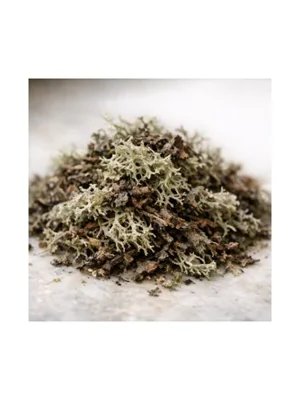 Oakmoss
20% share of the perfume
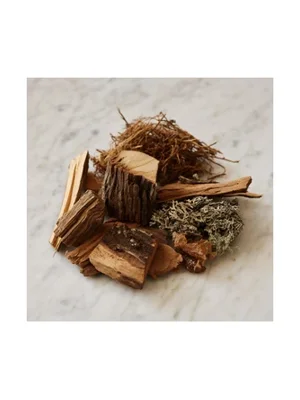 Woody Notes
17% share of the perfume
Base Notes
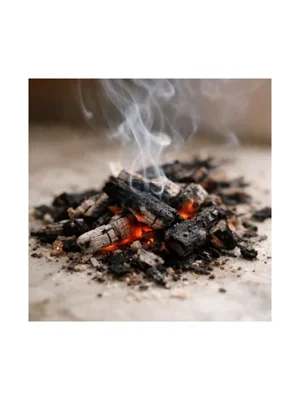 Smoke
11% share of the perfume
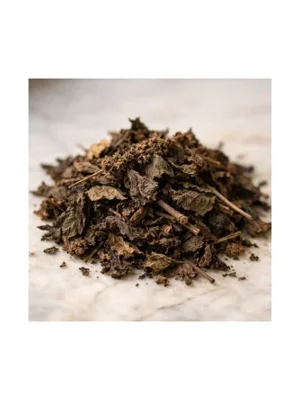 Patchouli
11% share of the perfume
Woody Notes
11% share of the perfume
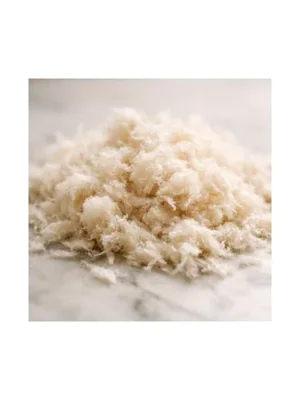 Musk
6% share of the perfume
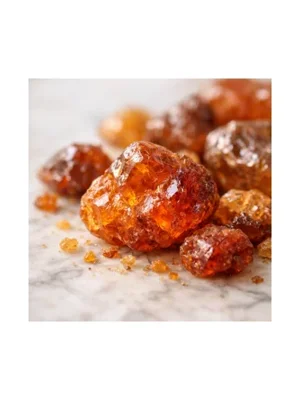 Amber
2% share of the perfume
 Pineapple
18%
vs
7%
Woody Notes
16%
vs
10%
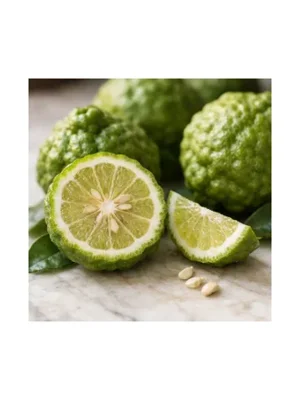 Bergamot
11%
vs
8%
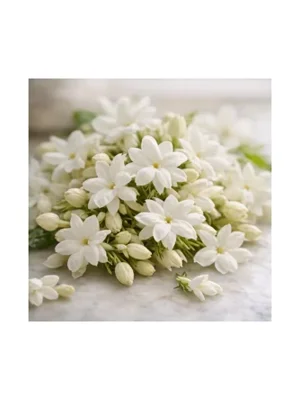 Jasmine
7%
vs
5%
Patchouli
7%
vs
10%
Pineapple
18%
vs
7%
Bergamot
11%
vs
8%
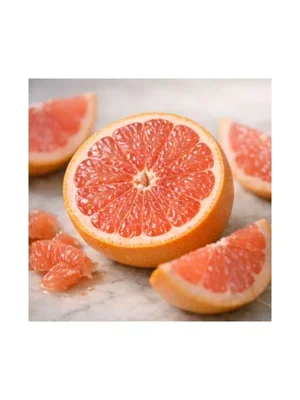 Grapefruit
10% share of the perfume
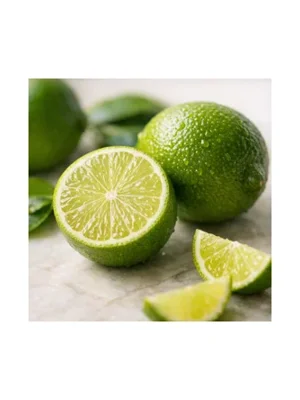
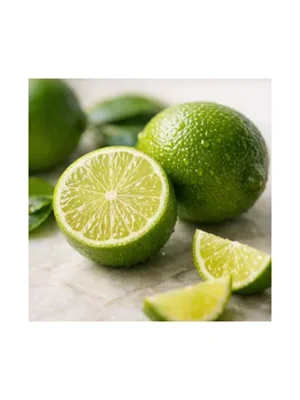 Lime
11% share of the perfume
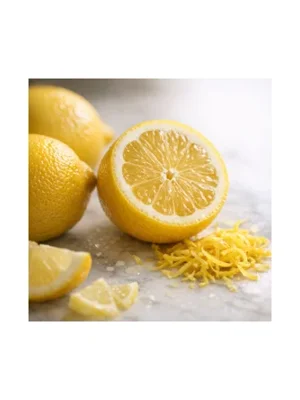
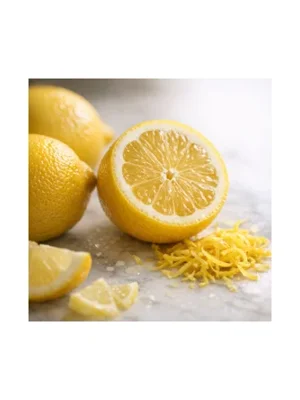 Lemon
9% share of the perfume
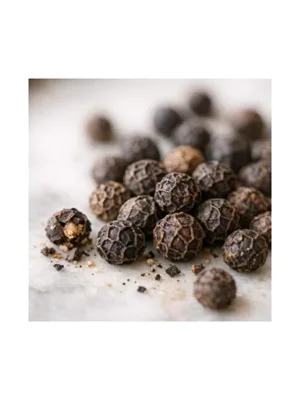 Pepper
7% share of the perfume
Jasmine
7%
vs
5%
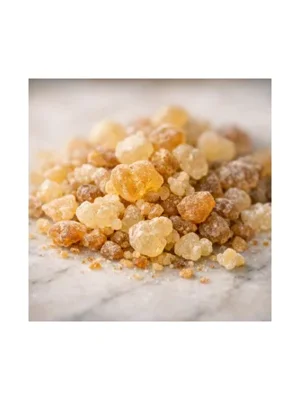 Frankincense
9% share of the perfume
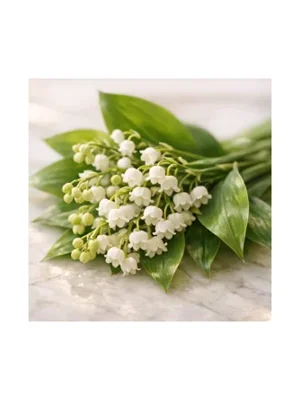 Lily of the Valley
1% share of the perfume
Woody Notes
16%
vs
10%
Oakmoss
20% share of the perfume
Smoke
11% share of the perfume
Patchouli
11% share of the perfume
Musk
6% share of the perfume
Amber
2% share of the perfume
Note weights are our estimate from each note's place in the pyramid, not the share of the formula. Brands do not publish formulations.
Performance
Season and Occasion Fit
Seasons
The vibrant pineapple and citrus top notes make it uplifting for spring, while the rich woody and mossy base gives enough depth for chilly fall days. It is versatile enough for cooler summer evenings and mild winters, but its strength may overwhelm in peak heat.
Occasions
Its bold, luxurious projection works beautifully for dates and upscale casual settings, while the refined woody character supports formal wear. It is a bit too powerful and sophisticated for sporty or ultra-professional office contexts.
Seasons
Pineapple, citrus and pepper are summer and spring notes, with the smoky, mossy base stopping it short of a winter pick.
Occasions
Strong and woody-fresh, it suits casual outings, dates and a confident formal night. A bit much for the office.
Similarity Breakdown
Our estimate of how alike these two fragrances smell, calculated from their published notes. It is a position on our scale, not a measured percentage of shared smell.
Shares 5 of its 13 notes, including Bergamot, Patchouli, Woody Notes
Adds amber and frankincense, drops cedar and grapefruit
Where to buy
Pick a size. The two cheapest offers, then the rest.






Prices before sales tax, which the shop adds at checkout.
ScentVerdict earns a commission from purchases - this doesn't affect our verdicts.