

Is Perfume Parlour Admiring a dupe of Penhaligon's The Tragedy of Lord George?




 The Tragedy of Lord George EDP
| EDP | Concentration | EDP |
| M | Gender | M |
| 2016 | Year | - |
| $$ | Price Tier | $ |
 Admiring EDP
Admiring is a remarkably faithful, budget-friendly alternative to The Tragedy of Lord George. The key difference lies in the depth and complexity. Lord George boasts a richer, more nuanced blend with higher-quality ingredients, granting it superior longevity and projection. Admiring captures the essence well, delivering a similar experience at a fraction of the cost, albeit with slightly less refinement and staying power. If budget isn't a concern, Lord George offers a more luxurious experience. However, Admiring provides impressive dupe-fidelity for those seeking the same profile on a budget.
Where they differ
Biggest gaps first. The bolder side leads.
ScentArt
How it unfolds
Notes
- The Tragedy of Lord George
- Admiring
- in both
Tap a note to light it in both. A+B means both have it


Which Should You Buy?
- You want the original's superior quality and performance.
- You appreciate nuanced complexity in fragrances.
- You don't mind investing in a premium fragrance.
- You want the prestige of the Penhaligon's brand.
- You want a similar scent on a tight budget.
- You prioritize affordability above all else.
- You want a 'close enough' approximation of Lord George.
- You are new to fragrances and want to test the waters.
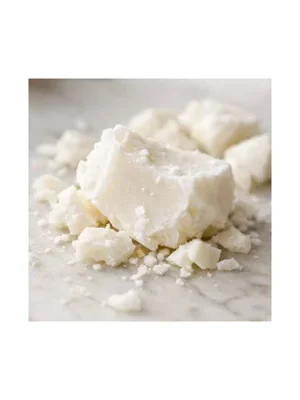
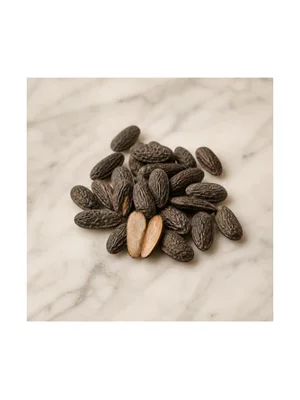
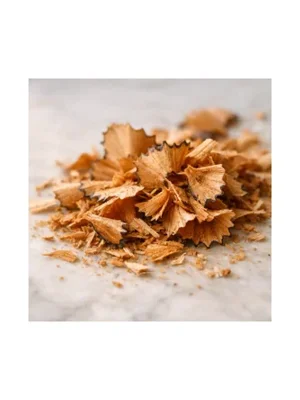
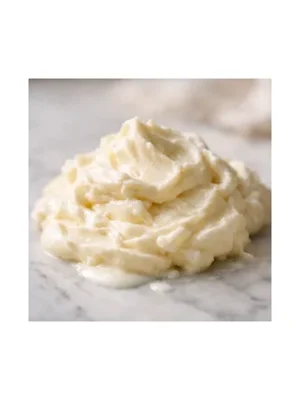
Soap and tonka bring a smooth warmth, while Ambrox, cedar and wood give the composition a dry, polished contour.
A clean soap start melts into creamy tonka and an ambrox-vanilla-cedar base: a barbershop shave in scent form, after Penhaligon's The Tragedy of Lord George. Strong and good for cold evenings.
Scent Profile
How They Wear
Mood
Notes
Top Notes
Top Notes
Heart Notes
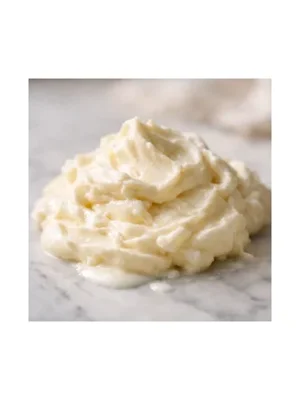
Base Notes
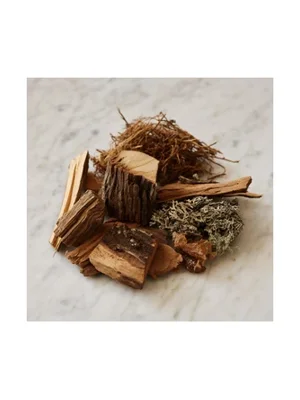 Woody Notes
29% share of the perfume
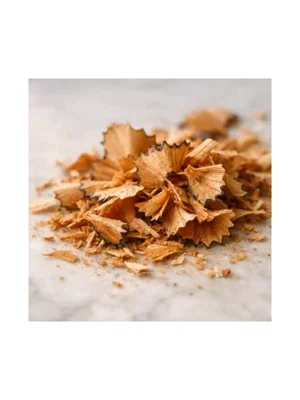 Cedar
12% share of the perfume
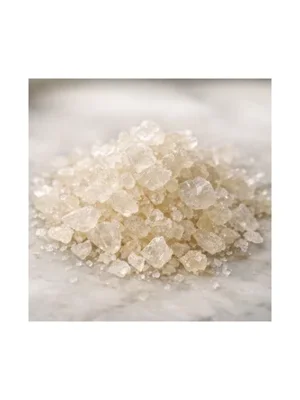 Ambroxan
10% share of the perfume
Base Notes
Ambroxan
17% share of the perfume
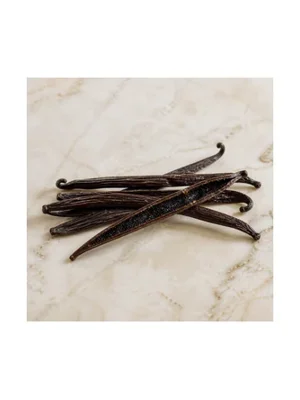 Vanilla
14% share of the perfume
Woody Notes
11% share of the perfume
Cedar
10% share of the perfume
Woody Notes
28%
vs
10%
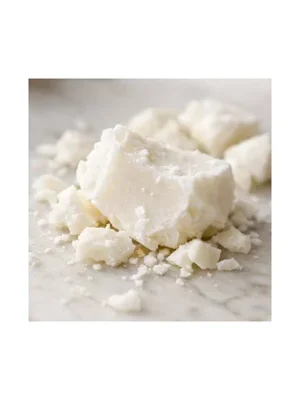 Soap
25%
vs
18%
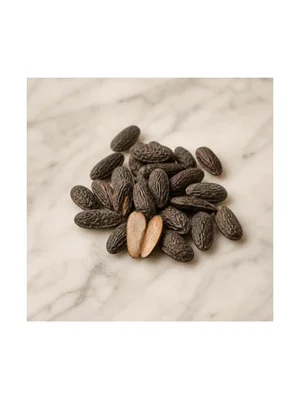 Tonka Bean
24%
vs
16%
Cedar
11%
vs
9%
Ambroxan
9%
vs
16%
Soap
25%
vs
18%
Woody Notes
28%
vs
10%
Cedar
11%
vs
9%
Ambroxan
9%
vs
16%
Vanilla
14% share of the perfume
Note weights are our estimate from each note's place in the pyramid, not the share of the formula. Brands do not publish formulations.
Performance
Season and Occasion Fit
Seasons
Soap gives the opening a clean edge, while tonka, Ambrox, cedar and wood build a warmer, drier profile.
Occasions
The clean soap note balances warm tonka and the woody base, keeping the contrast between freshness and depth measured.
Seasons
A tonka, ambrox, vanilla and cedar base is autumn and winter territory, and the soapy concept holds up in the cold, where the warm woods settle in.
Occasions
Sophisticated and woody-sweet, it fits a formal evening, a dinner or a date. It can work in an office with a light hand, but it is too distinctive for sport.
Similarity Breakdown
Our estimate of how alike these two fragrances smell, calculated from their published notes. It is a position on our scale, not a measured percentage of shared smell.
Shares 5 of its 7 notes, including Soap, Woody Notes, Cedar
Adds cream and vanilla
Where to buy
 →
Lowest Upfront
$284.89 plus sales tax
FragranceNet - 2.5 fl oz (75 ml)
Buy
Best Value
$284.89 plus sales tax
FragranceNet - 2.5 fl oz (75 ml) - $112.34/fl oz
Buy
Pick a size. The two cheapest offers, then the rest.


Admiring EDP
No shop we track that delivers to you has it in stock.
Prices before sales tax, which the shop adds at checkout.
ScentVerdict earns a commission from purchases - this doesn't affect our verdicts.