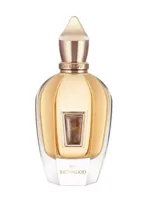
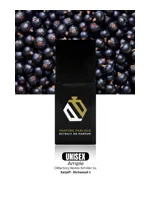
Is Perfume Parlour Ample inspired by Xerjoff Richwood?





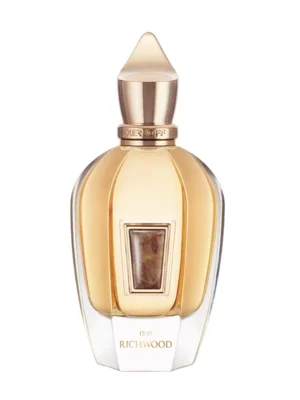 Richwood EDP
| EDP | Concentration | EDP |
| U | Gender | U |
| 2010 | Year | - |
| ££££ | Price tier | £ |
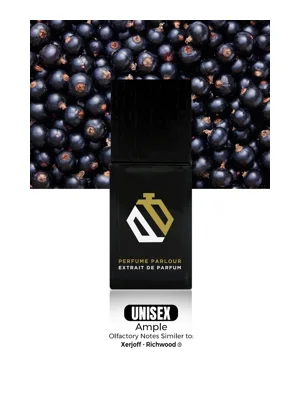 Ample EDP
Ample by Perfume Parlour is a highly faithful, budget friendly take on Xerjoff's Richwood. The most significant difference lies in the overall depth and refinement, with Richwood showcasing a more luxurious and seamless blend. Ample captures the essence of Richwood's woody-citrus profile but lacks some of the original's complexity. If you want a close approximation of the Richwood experience without the high price tag, Ample is a solid choice. But Richwood delivers a richer, more nuanced experience.

Where they differ
Biggest gaps first. The bolder side leads.
ScentArt
How it unfolds
Notes
- Richwood
- Ample
- in both
Tap a note to light it in both. A+B means both have it


Which should you buy?
- You want the full depth and complexity of the original.
- You appreciate luxurious and high-quality ingredients.
- You prefer a more refined and seamless blend.
- Price is less of a concern than overall quality.
- You want a great value alternative to Richwood.
- You enjoy high-fidelity inspired-by perfumes.
- You are on a budget but appreciate the Richwood DNA.
- You want a 'close enough' experience for everyday wear.
Richwood is Xerjoff in a polished, generous mood. Tart blackcurrant cuts brightly into a smooth, resinous warmth where sandalwood does the heavy lifting. Handsome and beautifully rounded, if more refined than adventurous.
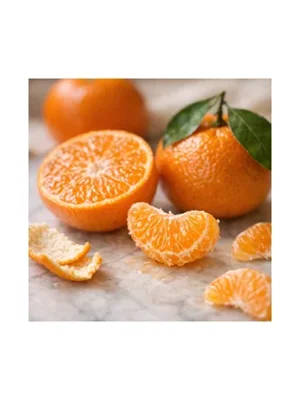
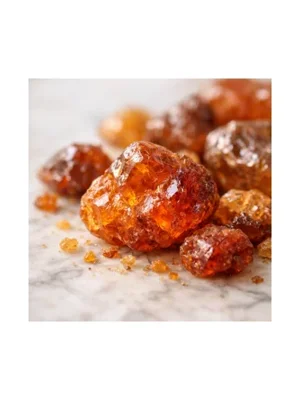
Perfume Parlour's nod to Xerjoff Richwood: tangerine and grapefruit over rose and blackcurrant, down to a patchouli, sandalwood and labdanum base. Dark, balsamic and long-lasting, for autumn dates and winter dinners.
Scent profile
How they wear
Mood
Notes
Top notes
Base notes
 Musk
7%
vs
6%
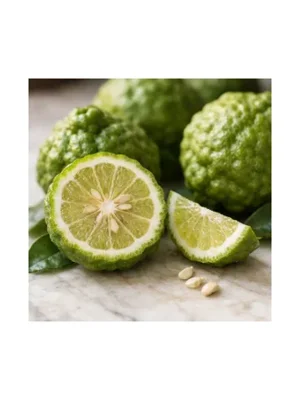 Bergamot
7%
vs
8%
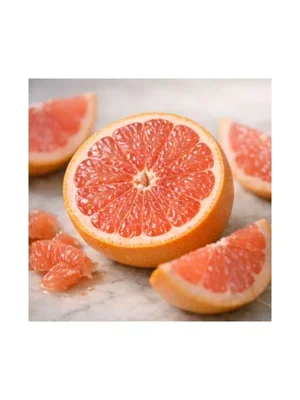 Grapefruit
7%
vs
10%
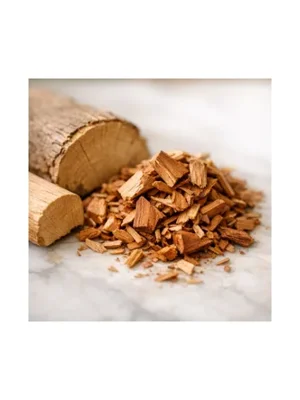 Sandalwood
7%
vs
10%
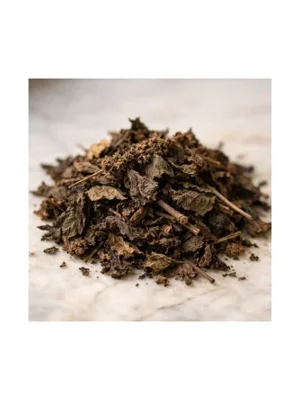 Patchouli
7%
vs
11%
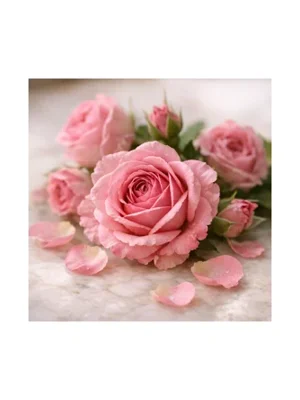 Rose
7%
vs
12%
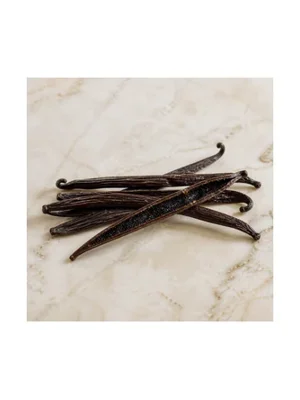 Vanilla
7%
vs
8%
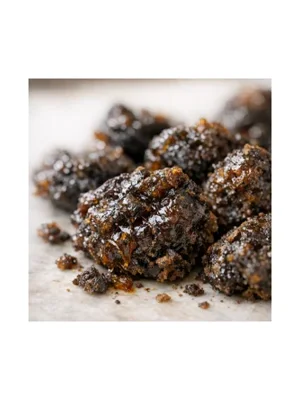 Labdanum
7%
vs
8%
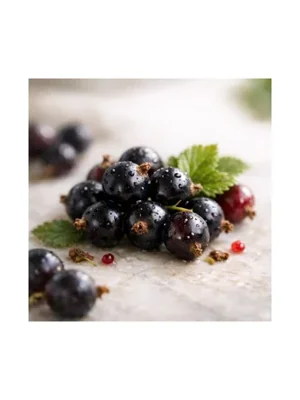 Blackcurrant
7%
vs
9%
Bergamot
7%
vs
8%
Grapefruit
7%
vs
10%
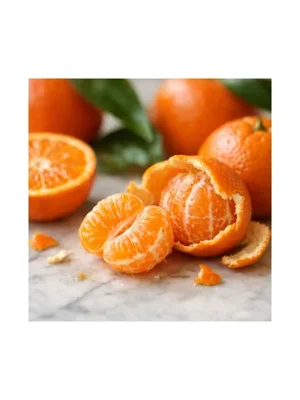 Tangerine
13% share of the perfume
Rose
7%
vs
12%
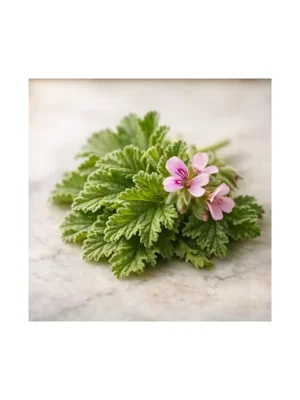 Geranium
8% share of the perfume
Blackcurrant
10% share of the perfume
Musk
7%
vs
6%
Sandalwood
7%
vs
10%
Patchouli
7%
vs
11%
Vanilla
7%
vs
8%
Labdanum
7%
vs
8%
Note weights are our estimate from each note's place in the pyramid, not the share of the formula. Brands do not publish formulations.
Performance
Season and occasion fit
Seasons
Sandalwood, patchouli, vanilla and labdanum give the scent its strongest seasonal profile in winter and autumn. Citrus and rose support spring, while summer is less aligned.
Occasions
The warm woods, rose and resinous base align most strongly with formal contexts and dates. The citrus and fruit keep some casual character, while the weighty base is less aligned with sport.
Seasons
Rose, patchouli, labdanum and sandalwood make this an autumn and winter scent, and the polished warmth carries into a cool spring night. It is heavy for summer.
Occasions
A composed, woody-balsamic scent with real presence, natural for dates, formal evenings and dinners. It can work at the office with a light hand, and is too rich for sport.
Similarity breakdown
Our estimate of how alike these two fragrances smell, calculated from their published notes. It is a position on our scale, not a measured percentage of shared smell.
Shares 9 of its 10 notes, including Musk, Vanilla, Labdanum
Adds tangerine, drops amber and coumarin
Where to buy
Pick a size. The two cheapest offers, then the rest.



ScentVerdict earns a commission from purchases - this doesn't affect our verdicts.