2-methylundecanal
Names this moleculeCAS 110-41-8
The note IS the molecule, CAS 110-41-8.
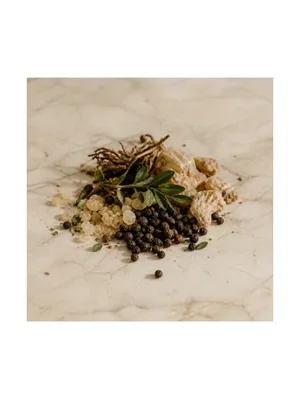
Note Profile
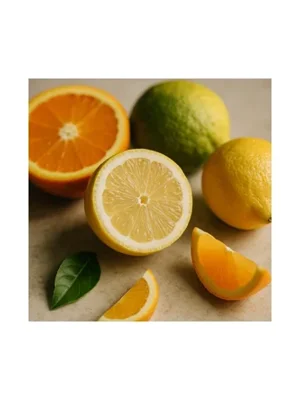
2-Methylundecanal is a branched C11 aldehyde, found naturally in kumquat peel oil and made synthetically. Two independent sources name its odour in the same three words: herbaceous, orange, ambergris-like. It was one of the first synthetics used in a prestigious perfume, in Chanel No. 5. Perfumers dose it in large amounts to build conifer and fir impressions.
Aldehydic leads and is the least arguable value in the vector. The molecule is an aldehyde, Bristol places the whole C8 to C12 range in a waxy-floral aldehydic band, and ChemicalBook independently gives "aldehydic" and "waxy" and "fatty". Amber_resinous is the term that separates this molecule from its straight-chain neighbours. Ambergris is named by Wikipedia, by Bristol's table and by ChemicalBook, and ChemicalBook adds incense. The same Bristol table gives undecanal and dodecanal no ambergris note at all. Citrus and aromatic_herbal sit level because the two independent sources that name the odour give the three terms in one string with no ranking: "herbaceous, orange, and ambergris-like". Orange is the citrus, herbaceous is the aromatic_herbal, and neither source puts one ahead of the other. Green carries the conifer and fir use-claim. It is a use-claim rather than an odour description and it traces to one upstream trade source repeated by two publishers, so it is scored below the named terms and given the widest spread in the vector. Floral is ChemicalBook's "characteristic fatty odor assuming a floral note on dilution", supported by Bristol's waxy-floral band. Mineral is the metallic term ChemicalBook reports twice, in the odour string and in the 2 ppm taste description. Honeyed and nutty are the high-dilution flavour claim from Wikipedia. Mossy_chypre, white_floral, sweet_vanillic and cooling_mentholic are the low edges: the moss and tuberose and coumarinic terms in the ChemicalBook string, and the cool lift that comes with a fir impression.
Read off the wheel, not a label applied to the note.
CAS 110-41-8
The note IS the molecule, CAS 110-41-8.
A synthetic aliphatic aldehyde with a methyl branch at carbon 2. It occurs naturally in kumquat peel oil. The branch is what makes it, in the words of Molecule of the Month at Bristol, "stronger and also more pleasant, reducing the fatty note" compared with the straight-chain aldehydes of the same length. It is a colourless liquid.
Used in soaps, detergents and fine fragrance. ChemicalBook and Wikipedia both state it is dosed in rather large amounts to impart conifer notes, fir in particular, and also in fantasy compositions. Chemistry World describes this size of molecule as generating the main personality of a fragrance for several hours.
A selection of reviewed perfumes where 2-Methylundecanal appears prominently.
No perfumes featuring this note have been reviewed yet. Check back soon.
New finds, honest verdicts, and UK price drops.
No spam. Unsubscribe anytime. See our privacy policy.