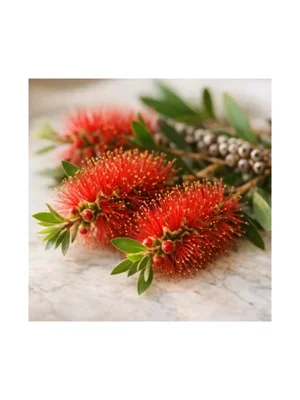
Bottlebrush
Note Profile
About
Bottlebrush is the Australian genus Callistemon, in the myrtle family with eucalyptus and tea tree. The red flower spike gives the name, but the smell is in the leaf. No commercial oil exists, so the note is built as an accord. It smells of eucalyptus and lemon, with a pine edge and a light nectar sweetness.
Scent Profile
Bottlebrush smells like a crushed leaf: cool, fresh eucalyptus with a minty, camphor-like bite, a clear lemon note and a pine edge. It is softer and warmer than eucalyptus oil. A faint nectar sweetness from the flower sits behind it. A dry woody note sits beneath the leaf, like warm bark.
ScentWheel
Read off the wheel, not a label applied to the note.
ScentArt
Materials That Can Make This Note
Perfumers can build Bottlebrush from materials such as:
-
Natural extract Bottlebrush oil (Callistemon spp., steam-distilled leaf and flower oil)
-
Eucalyptol eucalyptus · camphoreous · medicinal
Smell words come from published sources.
Allergens perfumes with this note can list: Pinene, Limonene
A given perfume with this note may use some of these, or something else, and may or may not contain the allergens above.
Origin
Bottlebrush is the genus Callistemon, native to Australia and now often placed in Melaleuca. No commercial perfumery oil exists. Lab distillations of the leaf give an oil that is mostly 1,8-cineole, 47.9 to 82.0% across studies, with alpha-pinene second. The flowers yield far less oil than the leaves, 0.12% against 0.54% in one study. The species name citrina refers to the lemon smell of the crushed leaves.
Usage in Perfumery
Perfumers build bottlebrush as an accord to give an Australian bush idea. It sits near the top with citrus, sage and camphor, and it pairs with myrtle, manuka and lemon. Eucalyptol, citrus and a touch of honey can stand in for it.
Similar Notes
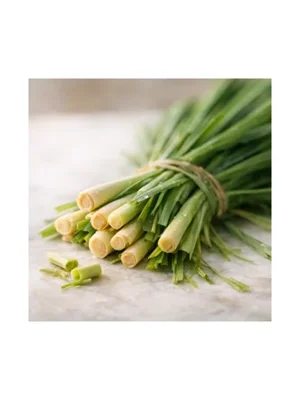
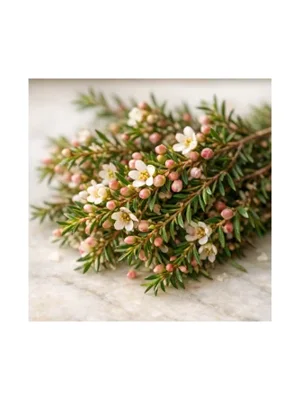
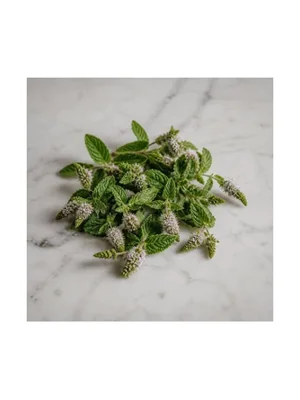
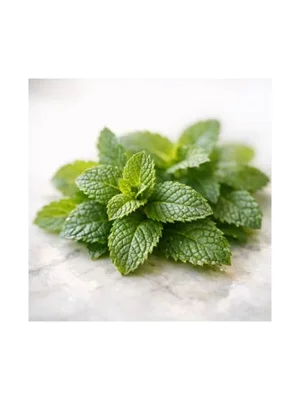
Perfumes featuring Bottlebrush
A selection of reviewed perfumes where Bottlebrush appears prominently.
No perfumes featuring this note have been reviewed yet. Check back soon.