Charcoal Latte
EDT · 2026
Batchig
Statement
Note Profile
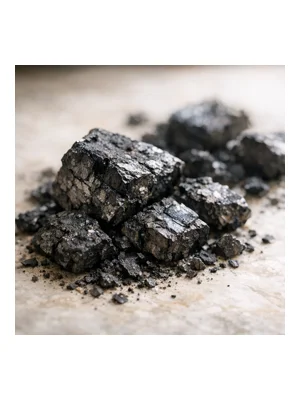
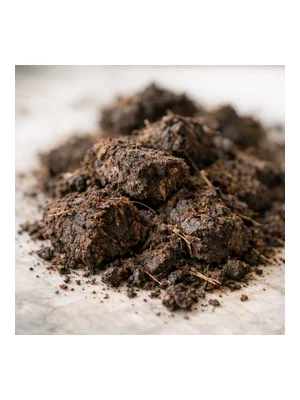
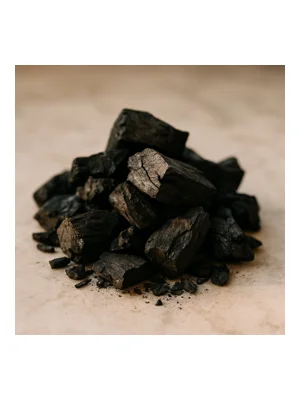
Charcoal in perfumery is a smoky, mineral-woody note or accord that evokes glowing coals, grilled embers, and charred wood rather than open flames. It tends to smell dry, ashy, and slightly metallic, adding a dark, atmospheric nuance to compositions. Perfumers use charcoal to suggest the texture of embers or burnt edges without overwhelming the fragrance with acrid smoke.
Charcoal accords are typically described as woody, pithy, and densely smoky, with a dry, ashy quality that can recall a charcoal grill or smoldering embers. Compared to generic smoke, they often feel cleaner, more mineral, and slightly metallic, with subtle hints of charred wood and faint tar. In a composition, charcoal can lend depth and shadow, sitting between smoky woods and mineral notes to create an impression of spent fire or cooled ash.
There is no single natural essential oil called charcoal; instead, perfumers build charcoal accords using combinations of smoky woods (such as cade, guaiac, or charred woods), resins, and synthetic smoky or leathery molecules. Some home fragrance suppliers market fragrance oils simply labeled Charcoal, formulated from aromatic chemicals and bases to evoke the smell of a charcoal grill or charcoal embers. The concept is inspired by real charcoal made from charred plant material, but the olfactory effect is recreated through crafted accords in perfumery.
Perfumers generally place charcoal facets in the heart or base of a fragrance, where their smoky-woody character can provide structure and atmosphere. They are commonly paired with leather, vetiver, patchouli, incense, woods, and amber materials to create dark, moody or industrial compositions. In niche perfumery and home fragrance, charcoal notes are used to evoke fire pits, torched woods, or urban smoke, adding contrast and tension against fresher, green or citrus elements.
 Woody
Woody
A selection of reviewed perfumes where Charcoal appears prominently.
New dupes, honest verdicts, and UK price drops.
No spam. Unsubscribe anytime. See our privacy policy.