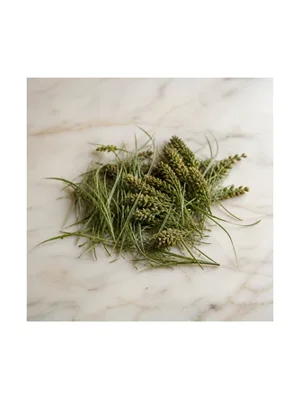
Green Nard
Note Profile
About
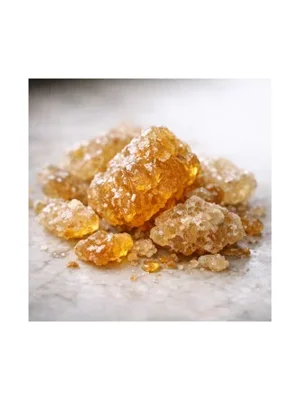
Green nard is spikenard rhizome distilled fresh or lightly dried instead of fully dried. Premiere Peau describes the result as freshly dug rhizome: wet soil, moss, a herbaceous-green lift and a patchouli-adjacent warmth, lighter and less animalic than the aged material. The trade does not agree that the word 'green' reliably means that. Hermitage Oils sells a product titled Spikenard GREEN and describes a heavy, sweet-woody, spicy, animalic oil no different from ordinary spikenard.
Scent Profile
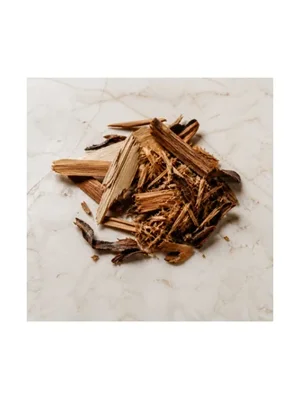
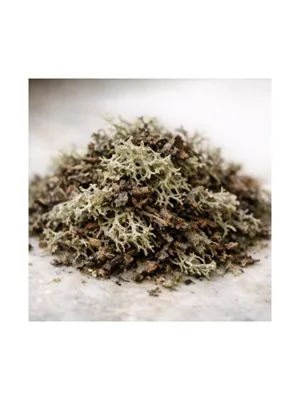
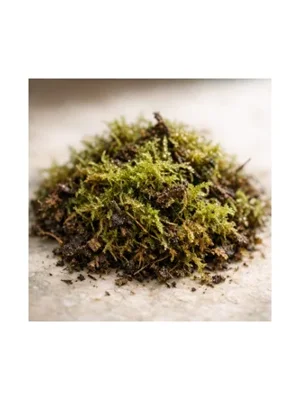
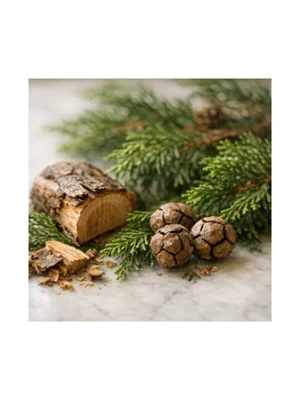
Earthy is the only facet both sources make dominant, and they use the same images: Premiere Peau's 'freshly dug rhizomes: wet soil', Hermitage's 'damp soil, moss, decayed roots, everything related to a forest floor'. Green is Premiere Peau's central claim, the 'herbaceous-green lift from retained light terpenes', and it is the reason the term exists; it is held below half because the other source that puts GREEN in its own product title never mentions it. Mossy_chypre is corroborated on both sides, 'mossy-herbaceous' against 'moss, decayed roots'. Aromatic_herbal is the herbaceous half of that same phrase. Dry_woody covers the Himalayan and Atlas cedarwood reference Hermitage and Arctander both make. Animalic is the facet the two sources actively disagree about: Premiere Peau says less animal-musky than traditional nard, Arctander via Hermitage says 'spicy animal odor' outright. It is set between the parent's 0.45 and the reduction Premiere Peau claims, and it is not zeroed, because one supplier's marketing copy is not grounds to delete a facet Arctander recorded. Below the naming line, warm_spice is Hermitage's ginger, black pepper and turmeric, amber_resinous the balsamic drydown, and sour the valerian tang the plant's family carries.
ScentWheel
Read off the wheel, not a label applied to the note.
Origin
Nardostachys jatamansi, the Himalayan rhizome that has been used as a sacred ointment for thousands of years and is the nard of the Bible. The oil is steam-distilled from the rhizomes. The one variable that is supposed to make green nard green is how far the rhizomes are dried before distillation: fresh or lightly dried keeps more of the upper, lighter terpenes, full drying loses them. The chemistry named is jatamansone (valeranone), nardol and various sesquiterpenes. Premiere Peau lists the same CAS, 8022-22-8, that plain spikenard carries, and lists SPIKENARD and NARD as synonyms of this term.
Usage in Perfumery
Used as a heart-to-base note in sacred, earth-mossy and green-amber compositions, and as a fixative in the same way aged spikenard is. Premiere Peau positions it as the more accessible version of the ancient material, less heavy and easier to place. One Hermitage reviewer reaches for it for forest-floor accords with a dark mood. Named blend partners are patchouli and vetiver, though no source compared it against either.
Similar Notes
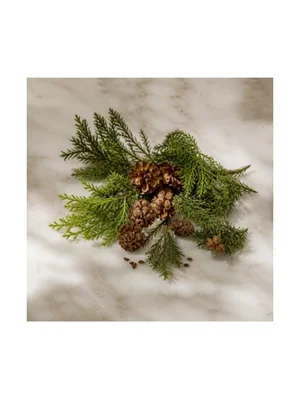
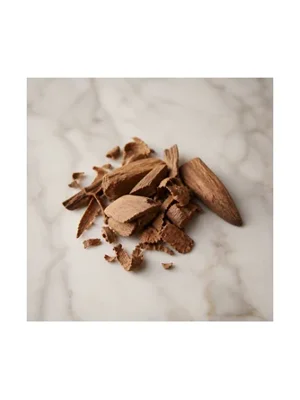
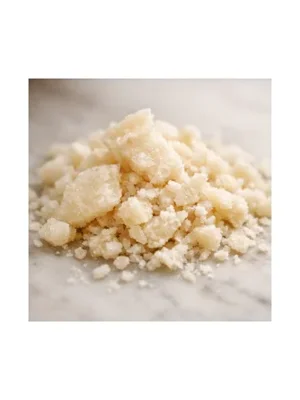
Perfumes featuring Green Nard
A selection of reviewed perfumes where Green Nard appears prominently.
No perfumes featuring this note have been reviewed yet. Check back soon.