Turpentine oil
A natural extractCAS 8006-64-2
The note names the material - Turpentine oil.
- Declarable allergen
- Named in EU Annex III as Turpentine products must list this name above a set concentration
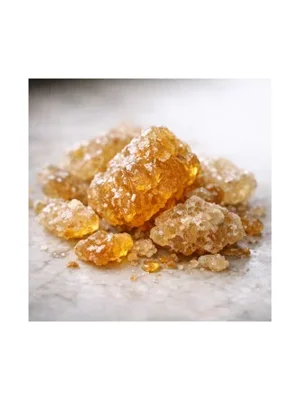
Note Profile
Turpentine in perfumery delivers a sharp, invigorating, and resinous aroma reminiscent of pine forests. It conveys freshness, clarity, and crispness, often used to lift and brighten woody or green compositions. Its scent is clean, bracing, and slightly medicinal, with strong coniferous undertones.
Turpentine has a penetrating, resinous aroma with pronounced pine and camphoraceous facets. Its scent is sharp, green, and slightly medicinal, developing a dry, woody nuance as it evaporates. The overall impression is clean and invigorating, with a brisk, forest-like freshness.
Read off the wheel, not a label applied to the note.
CAS 8006-64-2
The note names the material - Turpentine oil.
These are facts about the substance, not about any perfume with this note.
A perfume that names Turpentine can use a different extract, a reformulated version, or a synthetic reconstruction. It can also hold less than the amount that requires a declaration. We cannot tell which applies. These rows cover only the substances we hold a link for.
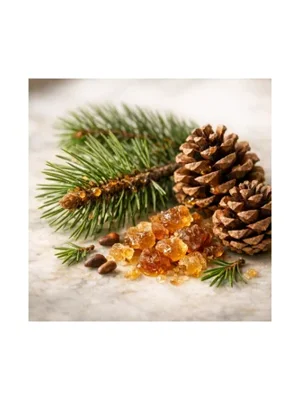
Turpentine is obtained by distilling the resin of pine trees, primarily species such as Pinus pinaster or Pinus sylvestris. The crude resin is tapped from living trees and then steam-distilled to yield the essential oil used in perfumery. Its production is concentrated in regions with extensive pine forests, such as the southeastern United States and parts of Europe.
Perfumers use turpentine mainly as a top note to impart brightness and lift to woody, green, and fougère compositions. It blends well with other coniferous materials, citrus oils, and aromatic herbs, enhancing the freshness and clarity of a fragrance. Its volatile nature means it is typically used in small amounts to avoid overpowering other notes.
A selection of reviewed perfumes where Turpentine appears prominently.
No perfumes featuring this note have been reviewed yet. Check back soon.
New finds, honest verdicts, and price drops.
No spam. Unsubscribe anytime. See our privacy policy.