Sulphur names no single substance
No material referentAn element, and the character is on the flavour side of the vocabulary.
Note Profile
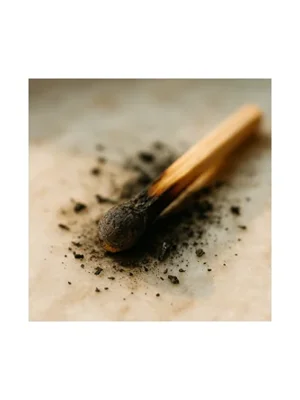
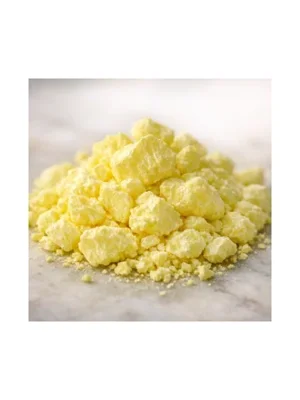
Sulphur is a naturally occurring element. In perfume it comes from synthetic means, and it also occurs in trace amounts in materials such as blackcurrant bud absolute. It smells sharp, acrid and mineral, like struck matches or hot stone, and at times like cooked eggs. It has a slightly metallic or smoky edge and is very diffusive. It is used in trace amounts as an accent.
Sulphur smells sharp and acrid, like struck matches, gunpowder and hot stone. At strength it turns to rotten egg and volcanic brimstone. A metallic, mineral edge and a smoky trace run through it. It is very diffusive and is used in traces, where it reads more as an atmosphere than as a note.
Read off the wheel, not a label applied to the note.
An element, and the character is on the flavour side of the vocabulary.
Sulphur is a naturally occurring element but is used in perfumery primarily through synthetic means or as a byproduct of certain chemical reactions. It is not extracted from plants but can be present in trace amounts in some natural materials, such as blackcurrant bud absolute or certain animalic notes.
Perfumers employ sulphuric notes sparingly, often as an accent in avant-garde or niche fragrances to add realism, tension, or a mineralic effect. It is typically used in trace amounts in the top or heart of a fragrance, blending well with green, fruity, or leathery notes to create complexity or a provocative edge.
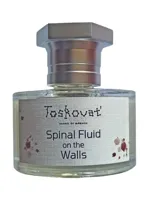
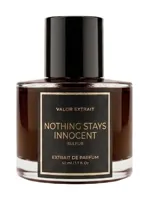
A selection of reviewed perfumes where Sulphur appears prominently.
New finds, honest verdicts, and price drops.
No spam. Unsubscribe anytime. See our privacy policy.