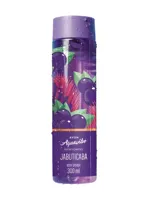
Aquavibe Jabuticaba
Body Spray · 2021
Avon
Favourite
Note Profile
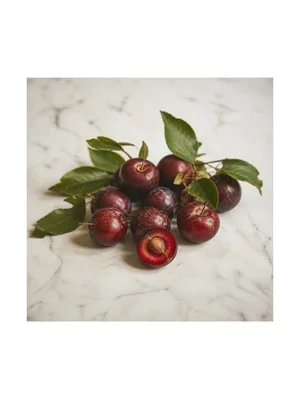
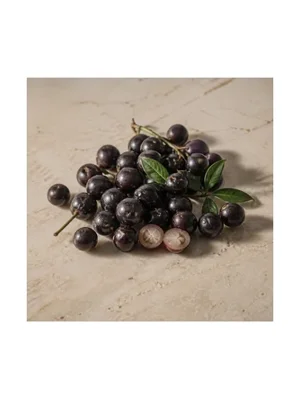
Jabuticaba is the fruit of the Brazilian tree grape, which fruits straight from its trunk. It smells fruity and sweet on top with a floral lift, then turns green, citric and faintly woody underneath. What makes it unusual for a fruit note is the terpene load. One GC-MS study across four cultivars found terpenoids made up 81.5% of the total volatiles, so the fruit carries a pine-and-herb undertone that berry notes normally do not.
Jabuticaba smells fruity and sweet first, a soft, juicy dark berry rather than a sharp one. A fresh green note follows, faintly waxy, with a citrus brightness running right beside it. An aromatic, herbal thread carries through the middle, backed by a dry, pine-like woody undertone. A thin, lavender-like floral lift and a mild sour tang close it out.
Read off the wheel, not a label applied to the note.
Tap a perfume to see where Jabuticaba sits in it. The rest of the picture goes grey
Perfumers can build Jabuticaba from materials such as:
Smell words come from published sources.
Allergens perfumes with this note can list: Limonene, Linalool
A given perfume with this note may use some of these, or something else, and may or may not contain the allergens above.
Plinia cauliflora and related Plinia species, a myrtle-family tree native to south-eastern Brazil. The fruit is a dark purple-black berry with thick skin and white translucent pulp. It is not offered as an essential oil or absolute by the usual trade suppliers, so any perfumery use is a reconstruction from the fruit's headspace rather than an extract. The published evidence is instrumental analysis of fresh fruit from the cultivars Sabara, Escarlate, Otto Andersen and Esalq.
Used as an exotic fruit accent, mostly at the top and into the heart. It offers a berry sweetness that comes with a green-woody spine, so it does not read as flat and candied the way a simple berry base can. It works next to grape, blackberry and acai for a South American fruit accord, and the terpene side lets it sit against pine, cypress or vetiver without clashing.
A selection of reviewed perfumes where Jabuticaba appears prominently.
Body Spray · 2021
Avon
EDC · 2008
Natura

EDT · 2023
Anna Sui
Body Spray · 2020
Natura
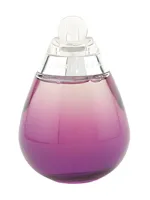
EDP · 2005
Estée Lauder
New finds, honest verdicts, and price drops.
No spam. Unsubscribe anytime. See our privacy policy.