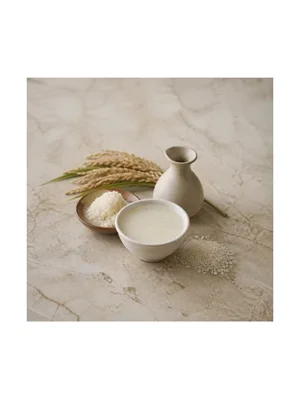
Jiuniang (Sweet Fermented Rice Wine)
Note Profile
About
Jiuniang is cooked glutinous rice fermented for one to three days with a qu starter and eaten as a sweet soupy dish. Every source describes the smell the same way, as sweetness with fermentation behind it and no fruit at all: 'sweet, yeasty aroma rising when you open the jar', 'sweet, floral, and very faintly alcoholic', 'a wine-like aroma'. It is 1.5 to 2 percent alcohol and 0.5 percent lactic acid at the eating stage, so the boozy lift is small and a mild sourness runs with it.
Scent Profile
Sweet_vanillic leads because all three sources open with sweetness and the dish is named for it. It is sugar sweetness from converted starch, not vanilla, so it sits below rice-pudding at 0.70 where added sugar and vanilla do the work. Boozy is the 'wine-like aroma' plus the yeasty top that rises off an opened jar. It is set well under port-wine and red-wine at 0.72 and under sake at 0.55, because Wikipedia puts the alcohol at 1.5 to 2 percent and one source calls it 'very faintly alcoholic'. Sour is the percent lactic acid, described as 'a mild sourness' and 'a whisper of acidity'. It carries a 0.22 spread, the widest here, because the sources make it a function of fermentation time rather than a fixed property. Floral is named three times alongside the sweetness, 'sweet, floral and yeasty', and it is NOT osmanthus: the dossier checked, and the floral quality is described for plain jiuniang before any garnish. Nutty is the cooked glutinous rice underneath, set below the published rice note at 0.55 because the grain here is wet, sweetened and partly digested by the mould. Below the level worth naming: powdery and clean_musk for the starch, honeyed for the sweet-floral pairing, a small fruity because yeast ferments make esters even though no source names a fruit, and lactonic for the lactic acid the chemistry states but that no source reports as a milky smell.
ScentWheel
Read off the wheel, not a label applied to the note.
Origin
A prepared Chinese dish, not a perfumery material. Glutinous rice is steamed, cooled and inoculated with jiuqu, a mixed yeast and mould starter, then left one to three days. The sugar comes from the mould converting rice starch, and the sourness from lactic fermentation, which is why both rise with time: the sources call the mash mildly sour at 48 hours and 'more pronounced' by 72. Osmanthus is often served with it as guihua jiuniang, but that is a garnish added afterwards and is not scored here.
Usage in Perfumery
Measured 2026-08-23: 6 Fragrantica placements, filed under Sweets and gourmand smells, and none on Parfumo. Use it as a gourmand ferment: sweeter and much weaker than any grape wine note, and starchier than sake. The published sake note is not a substitute. Sake is a finished 15 percent drink whose vector is led by ester fruit at 0.80. This is the mash, at a tenth of the alcohol, with no fruit named by anyone.
Similar Notes
Perfumes featuring Jiuniang (Sweet Fermented Rice Wine)
A selection of reviewed perfumes where Jiuniang (Sweet Fermented Rice Wine) appears prominently.
No perfumes featuring this note have been reviewed yet. Check back soon.