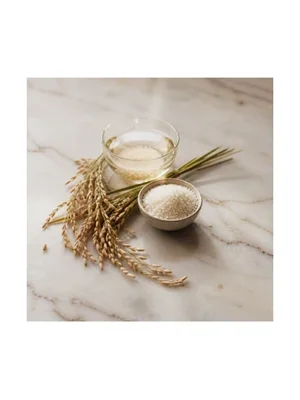
Rice Wine
Note Profile
About
Cloudy fermented rice drink: milky and soft, with a light sour tang and a low alcohol lift over cooked-grain sweetness.
Scent Profile
Lactonic leads and this is the facet that separates rice wine from every other wine note. Villa Erbatium's own copy moves to 'a gentle, milky feeling, like yogurt and fine rice powder', Elorea files the whole composition as 'Milky Warm Gourmand', and Luckyscent opens with 'Creamy'. Makgeolli is cloudy and unfiltered, so the milkiness is the drink itself, not a soft-focus effect. Boozy is the ferment. The Huangjiu sensory panel in Shen et al. scores aroma on exactly three descriptors and alcohol is the first. It is set well below red-wine at 0.72 and white-wine at 0.65 because makgeolli runs at about 6 to 8 percent and every commercial source qualifies the ferment as 'subtle' or 'just a hint'. Sour is the tang, named by three sources independently: 'the perfect balance of sweet and tangy', 'just a hint of tang', 'creamy, lightly tangy'. The Huangjiu taste panel lists sour as one of three taste descriptors. It is above red-wine at 0.35 and below plum-wine. Sweet_vanillic is the converted starch, not vanilla, and it sits well below jiuniang at 0.62 because jiuniang is a sugar dish and this is a drink. Nutty is almond, which both makgeolli perfumes name as the opening note, and it is supported from the analytical side by the panel's 'cereal' aroma descriptor. Powdery is the fine rice powder that both the brand and the retailer name as a note in their own right. Floral is 2-phenylethanol, which the paper reports as a major aromatic contributor with 'a floral scent'. Fruity is the panel's third aroma descriptor. Clean_musk and amber_resinous are the 'soft musk and a gentle touch of amber' that the brand puts behind the ferment; they are scored low because they are the perfume's base rather than the drink. Aldehydic is the weakest claim here and carries a wide spread. Two sources call makgeolli 'effervescent', but effervescence is dissolved carbon dioxide, not an aldehyde, so this is far below sparkling-wine at 0.62.
ScentWheel
Read off the wheel, not a label applied to the note.
Origin
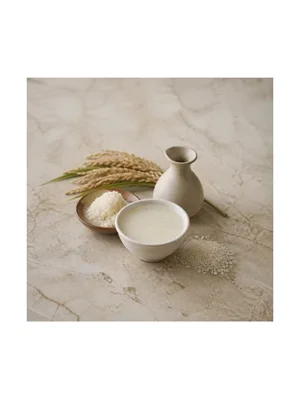
Rice wine is made by fermenting steamed rice with a starter culture. Korean makgeolli uses nuruk and stays cloudy and unfiltered at about 6 to 8 percent alcohol. Chinese huangjiu is aged and filtered. Every perfume found that carries this note is built on makgeolli specifically: Villa Erbatium's Rice Makgeolli and Elorea's Cloud Daze. There is no distilled or extracted rice wine material. Perfumers reconstruct it from almond, rice steam, yogurt and rice powder notes over musk and amber.
Usage in Perfumery
A heart note in milky gourmands, mostly in Korean houses. It does the job plain rice cannot, which is to add lift. Elorea's founder puts it plainly: fermentation 'adds dimension and lift' so the composition 'feels alive on the skin, rather than staying purely sweet'. It sits with almond, yogurt, rice powder, vanilla and soft musk, and Elorea also pairs it with cognac and jasmine sambac.
Similar Notes
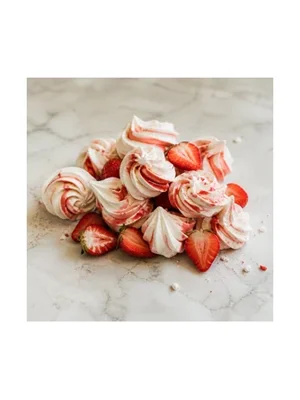
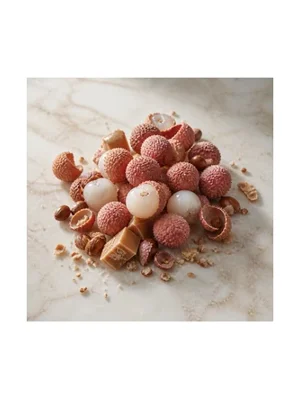
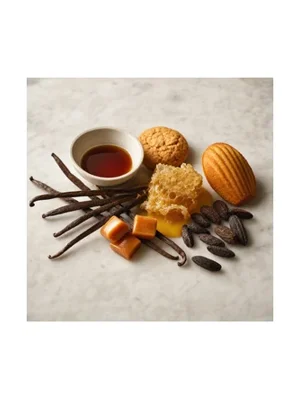
Perfumes featuring Rice Wine
A selection of reviewed perfumes where Rice Wine appears prominently.
No perfumes featuring this note have been reviewed yet. Check back soon.