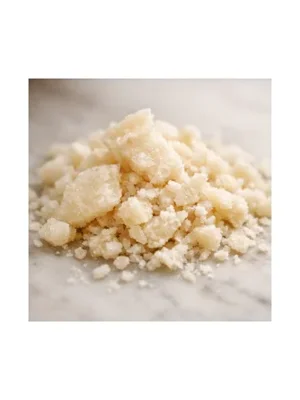
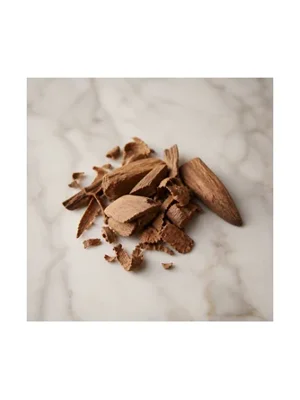
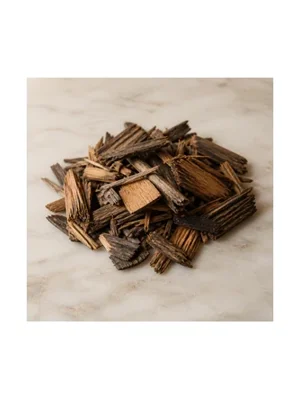
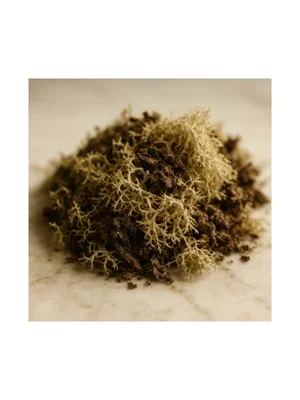
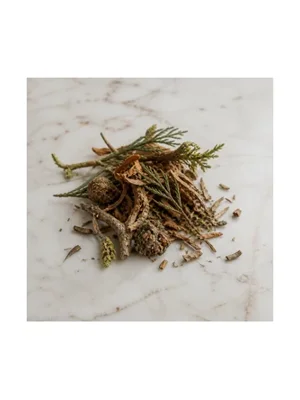
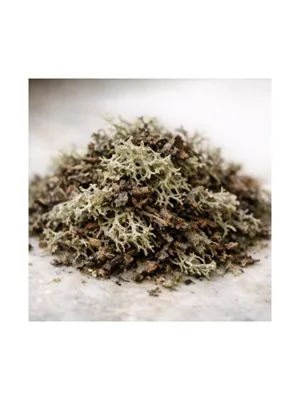
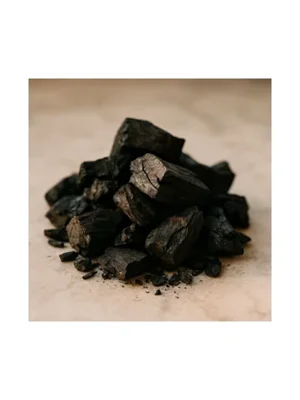
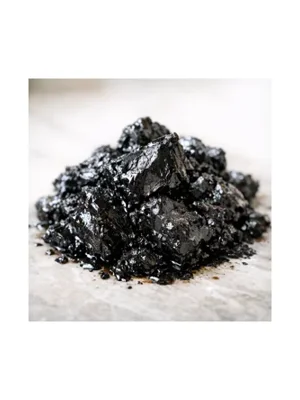
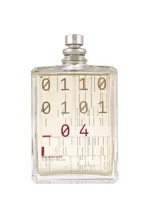
Polysantol is a synthetic sandalwood note, prized for its creamy, milky, and warm woody aroma that closely mimics natural sandalwood. It brings soft, velvety, and slightly sweet nuances to fragrances, enhancing their longevity and depth. Its smooth character makes it a popular choice for modern sandalwood accords.
Scent Profile
Polysantol has a creamy, milky sandalwood aroma with pronounced soft, velvety, and slightly sweet woody facets. It evolves smoothly, maintaining a warm and enveloping character throughout its drydown. Subtle lactonic and musky undertones add depth and a lingering, skin-like warmth.
CORRECTED 2026-08-14: this edge said the material was not held, and it is - as '107898-54-4' (CAS 107898-54-4). The gap was in the LOOKUP, not the catalogue: we store this molecule under its systematic or registry name, the edge was authored against the trade name, and nothing matched. Supplier catalogues published the CAS and PubChem confirmed it (CID 15984303). Previously: A Firmenich sandalwood captive we do not hold. The material that would realise this note is Polysantol; we do not hold it, so this edge names the gap
Restricted
An IFRA Standard limits how much of this a perfumer can usethe limit applies to the perfumer, not the wearer
These are facts about the substance, not about any perfume with this note.
Why that matters
A perfume that names Polysantol can use a different extract, a
reformulated version, or a synthetic reconstruction. It can also hold less
than the amount that requires a declaration. We cannot tell which applies.
These rows cover only the substances we hold a link for.
Polysantol is a synthetic molecule developed to replicate the scent of natural sandalwood, particularly Santalum album. It is produced via organic synthesis in laboratories, providing a sustainable alternative to the increasingly scarce natural sandalwood oil.
Usage in Perfumery
Perfumers use Polysantol primarily in the base of compositions to impart sandalwood character and enhance longevity. It blends well with musks, ambers, florals, and other woody notes, and is often used to construct modern sandalwood accords or as a softening agent in woody and oriental fragrances.
We count visits to see which pages help people and to improve the site.
No advertising, and no tracking across other sites.
Read our cookie policy
Cookie Preferences
Analytics is on unless you switch it off here. Essential cookies cannot be
disabled as they're required for the website to function.
Always On
Required for the website to function. Includes session management and security tokens.
Counts visits and which pages people use, so we can improve the site. We use
Google Analytics with its advertising features switched off, plus our own
cookieless visit counter. Switching this off stops both.