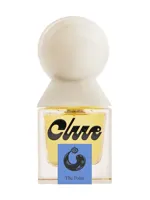
The Point
EDP · 2024
Clue Perfumery
Favourite
Note Profile
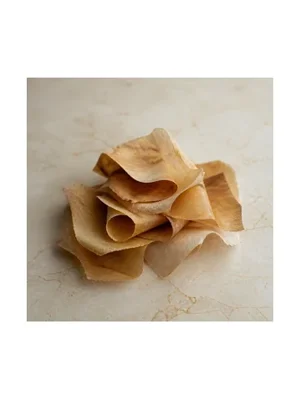
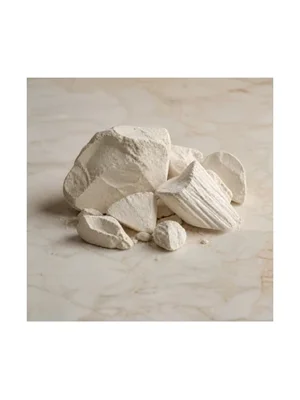
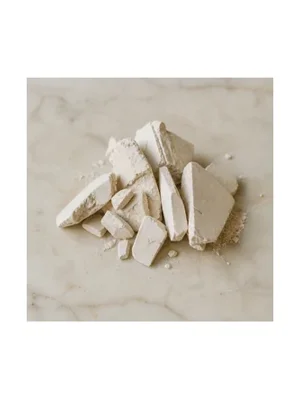
Porcelain is a texture note, not an extract. Fired kaolin is scentless, so what perfumery calls porcelain is an accord built to smell the way the object feels: cool, smooth, white and understated. The one glossary that defines it gives three words, 'Clean, mineral, and cool-powdery', and places it against its neighbours: smoother and cleaner than chalk or clay, cooler than fired terracotta, more mineral than musk.
Porcelain smells clean, mineral and cool, more mineral than musk. A powdery, iris-like dryness sits close behind, built from chalky, orris-like elements. A soft, clean musk sits under both, quieter than the mineral and the powder above it. It stays cool to the touch throughout, cooler than fired terracotta and smoother than raw chalk or clay.
Read off the wheel, not a label applied to the note.
Tap a perfume to see where Porcelain sits in it. The rest of the picture goes grey
Composed. The source states the fired material is 'essentially scentless in its finished state', so nothing is extracted and there is no natural to distil. The same source gives the construction: 'mineral-chalk elements, iris-powdery molecules (ionones, orris), and cool-clean musks'. That is three named families of aroma chemical and it is the whole of the published recipe.
A quiet structural note. It gives a composition 'the impression of something perfectly smooth, slightly cool to the touch, and deliberately understated'. It sits under white florals and skin musks where a warmer mineral note would read as dusty. Fragrantica lists it as a note in two fragrances and files it under natural and synthetic, popular and weird.
A selection of reviewed perfumes where Porcelain appears prominently.
New finds, honest verdicts, and price drops.
No spam. Unsubscribe anytime. See our privacy policy.