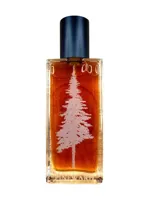
Tome
Extrait · 2025
Pineward Perfumes
Statement
Note Profile
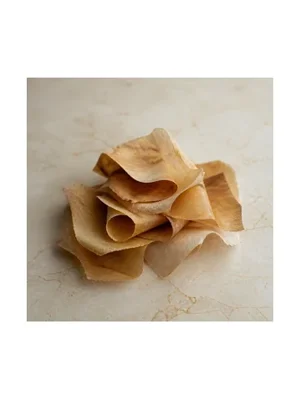
Parchment is the smell of lime-treated animal hide made into a writing surface. It is dry, chalky and faintly animal. It sits between leather and paper and matches neither. Perfumery treats it as a reconstruction, not a material you can buy in a bottle.
Parchment smells dry, chalky and alkaline, like lime rather than wet stone. A soft leather note sits underneath, drier and less smoky than tanned hide. A faint, musky animal warmth runs through it. As it warms, a faintly fatty, waxy skin note comes up. A chalky powder dusts the surface. Old parchment reads warmer and a little sweet.
Read off the wheel, not a label applied to the note.
Tap a perfume to see where Parchment sits in it. The rest of the picture goes grey
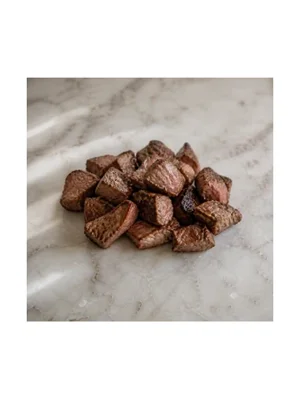
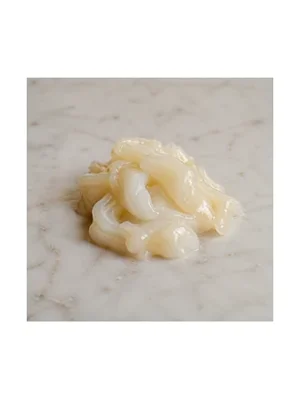
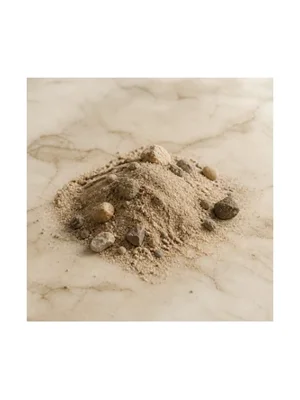
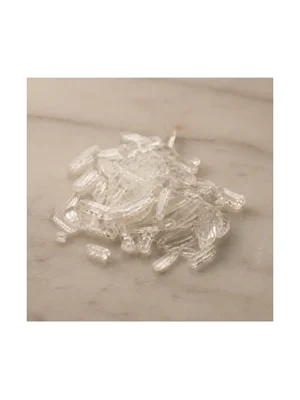
Not an extract. No parchment absolute or oil is sold, and there is no CAS number. Parchment is made by soaking sheep, goat or calf skin in lime to remove the hair, then thinning it and drying it under tension. The skin is never tanned. That is what separates it from leather. Perfumers build the note from dry leather materials, mineral-chalky notes and waxy-fatty accents. Some make a tincture of real parchment in alcohol as a reference.
Used as a base note in literary, historical and old-book accords. Pineward's Tome (2025) lists it with paper, leather, tobacco, black tea, orris and woods. Against a full leather it reads drier, less smoky and more mineral. Fragrantica lists it on 5 perfumes (2026-10-10).
A selection of reviewed perfumes where Parchment appears prominently.
New finds, honest verdicts, and price drops.
No spam. Unsubscribe anytime. See our privacy policy.