Reseda names no single substance
ReconstructedMignonette. Historically extracted, no longer commercially available.
Note Profile
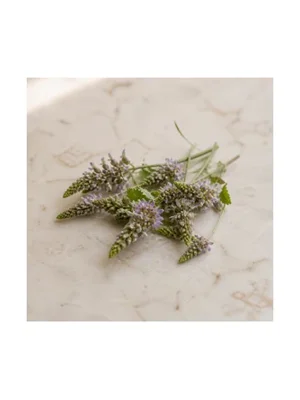
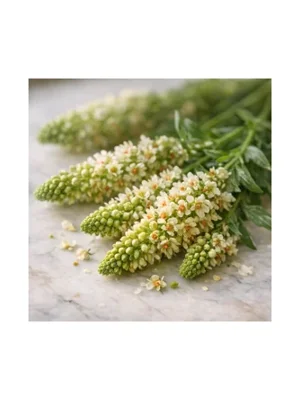
Reseda, also called mignonette, comes from the flowers of the Reseda plant, native to the Mediterranean region. It is taken by solvent extraction, and the natural absolute is rare. It smells delicate and floral, with green, powdery and slightly honeyed tones. Fresh leafy notes sit over a soft sweetness. It is used in the heart of floral blends.
Reseda, also known as mignonette, has a delicate floral scent with green, powdery, and slightly honeyed facets. Its aroma is nuanced, combining fresh leafy notes with a soft, sweet undertone that can evoke spring meadows. The scent evolves gently, maintaining its light floral character as it dries down.
Read off the wheel, not a label applied to the note.
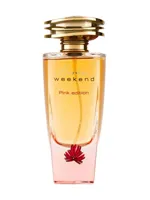
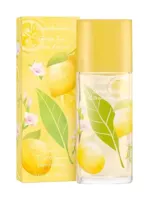
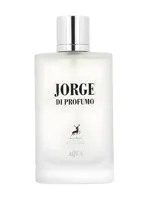
Tap a perfume to see where Reseda sits in it. The rest of the picture goes grey
Mignonette. Historically extracted, no longer commercially available.
Reseda is derived from the flowers of Reseda odorata, a plant native to the Mediterranean region. The essential oil is obtained through solvent extraction, as the flowers yield very little oil by steam distillation. Natural reseda absolute is rare and often replaced by synthetic reconstructions in modern perfumery.
Perfumers use reseda primarily in the heart of floral compositions to impart a naturalistic, green-floral nuance. It blends well with violet, rose, and iris, and can soften sharper green notes or add complexity to powdery accords. Due to its rarity, it is most often found in niche or vintage-inspired fragrances.
A selection of reviewed perfumes where Reseda appears prominently.
New finds, honest verdicts, and price drops.
No spam. Unsubscribe anytime. See our privacy policy.