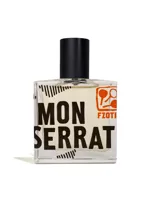
Monserrat
EDP · 2013
FZOTIC
Favourite
Note Profile
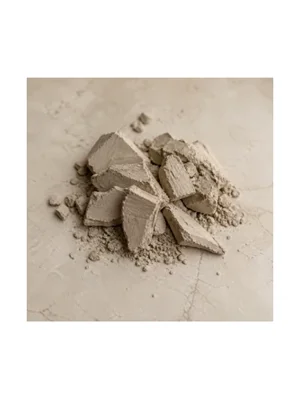
Chalk and cream at the same time. The one reviewer who describes the note in a real fragrance uses the phrase 'earthy pastry cream', and that pairing is the note: a damp mineral body with a soft, almost edible texture under it, not a dry chalk scratch.
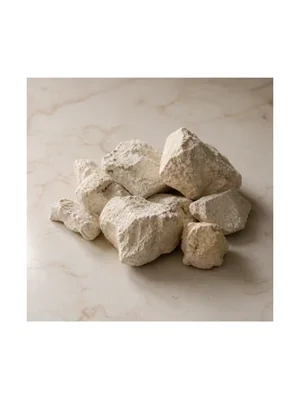
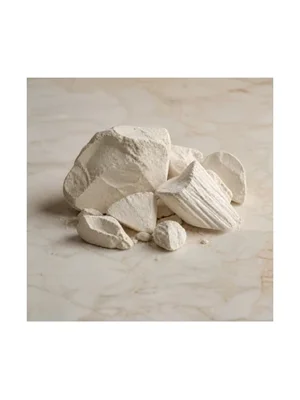
Wet plaster smells chalky and creamy at the same time, a damp, rain-wet mineral body with a soft, almost edible texture under it. That creamy half is what sets it apart from dry chalk or concrete, a lactonic softness rather than a scratch. A light, chalky powderiness sits close to the surface, and an earthy dampness runs underneath. It reads as a freshly wet wall, not a dusty one.
Read off the wheel, not a label applied to the note.
Tap a perfume to see where Wet Plaster sits in it. The rest of the picture goes grey
A fantasy note. It names a building material, so there is no plant and no molecule behind it and no supplier literature to read. Plaster is gypsum or lime mixed with water, and the note is the smell of it while it is still wet on a wall. Any perfume using the name is using a built accord. The best-documented use is Bruno Fazzolari's Monserrat, where plaster is a named base note and the reviewer reports it as 'really there' rather than as a suggestion.
A base texture for architectural, monastic and cold-interior compositions. It puts a cool, substantial floor under a fragrance without the tar of asphalt or the outdoor rain of petrichor. Attested on 4 Fragrantica note listings and on no Parfumo placement. Reach for it where chalk is too dry and concrete too industrial, because the creamy half is what separates it from both.
A selection of reviewed perfumes where Wet Plaster appears prominently.
New finds, honest verdicts, and price drops.
No spam. Unsubscribe anytime. See our privacy policy.