Old House
Note Profile
About
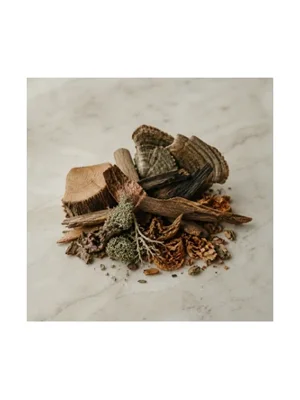
Old house is a concept note, not a material. It is the smell of a room that has been shut for decades: dry oxidised wood, plaster dust, hardened varnish and a musty undertone. The one perfumery source that describes it is explicit that no single ingredient produces it and that it reads as a place rather than a thing.
Scent Profile
Dry_woody leads, and it is what the source names first in every one of its three stage lines: 'dusty, dry-woody', then 'warmer, vanillic', then a 'persistent, dry, woody-vanillic trace'. Earthy is the musty half, and it is the only facet a second and independent source confirms. A mould-remediation professional quoted in a home-improvement magazine calls the smell 'musty, stale' and adds 'musty is another word for mold'. Mineral is the plaster dust, described as chalky and named as its own material group. Powdery is the same dust as a texture rather than as a mineral, and the two are scored together because the source gives dust one billing, not two. Sweet_vanillic is lignin-derived vanillin, stated as the reason the wood is 'dry and slightly sweet'. Aldehydic is the oxidised varnish, called a 'faintly oxidized, aldehydic edge'. Below the named line: smoky for guaiacol, which the source names as a molecule without naming its smell; sour for the stated 'slight rancidity'; mossy_chypre for the mildew; tobacco_hay for aged fabric and paper. Nothing here is ranked by the source. It gives all four material groups roughly equal billing, and the ordering above is inferred from which one it puts first in each stage line.
ScentWheel
Read off the wheel, not a label applied to the note.
Origin
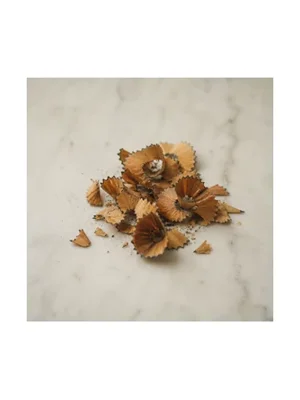
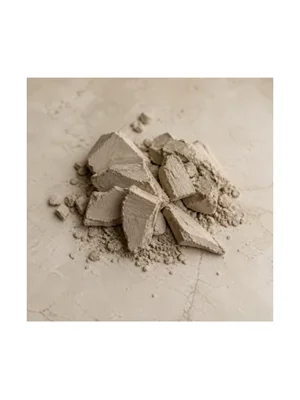
There is no extraction route. Premiere Peau states this plainly and builds the accord from four named groups instead. Aged wood contributes vanillin and guaiacol as lignin breaks down. Plaster gives a chalky mineral dust. Oxidising paint binders, which are linseed oil, give an aldehydic and faintly rancid edge. Textiles and paper give must, which is geosmin and 2-methylisoborneol used at very low dose. All four are stages of slow oxidation, which is why the accord reads as time rather than as any of its parts.
Usage in Perfumery
A storytelling note rather than a blending ingredient, used in atmospheric, memory-themed and narrative compositions. Three Fragrantica placements and none on Parfumo. Two perfumes are titled Old House outright. It works under leather, tobacco and paper notes to place a fragrance in a building, and it needs a dry base or the musty half turns sour.
Similar Notes
Perfumes featuring Old House
A selection of reviewed perfumes where Old House appears prominently.
No perfumes featuring this note have been reviewed yet. Check back soon.