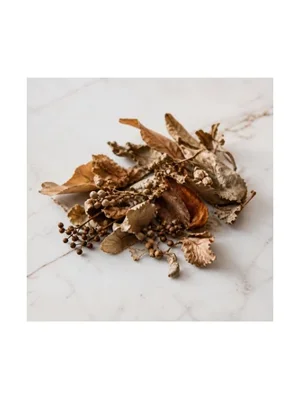
Dry Notes
Note Profile
About
Dry notes is a texture, not a family. It is defined by what is missing: nothing dewy, watery or aqueous. It is built from woods, grasses, orris, tar-like phenols and mosses, and it can sit inside an oriental, a chypre or a cologne alike.
Scent Profile
Dry_woody carries the term. The defining source lists the woods by name - cedar, sandalwood, oak, rosewood, birch - before it lists anything else, and adds grasses such as vetiver. Mineral is the second thing both prose sources say: 'They can be mineral-like and they keep you dry as a result', and vetiver is 'drier, more vertical, more mineral' than patchouli. Powdery is orris and iris, and the same source calls powdery 'a subcategory of dry, since powder by its very nature abhors moisture'. A third source adds 'a dry, soft and musky character', which is the same reading. Leather is the phenol group named outright: birch tar, guaiacwood, leathery compounds. Mossy_chypre is oakmoss and treemoss, listed as one of the four sources of dryness. Below the naming line sit earthy from vetiver root, smoky from the tars, and small clean_musk and creamy_woody for the soft musky reading and for sandalwood. Citrus stays: it is only the 'flash of grapefruit rind' one source finds inside vetiver, not a property of dryness. Green is held at zero on purpose. The definition says dry does not recall 'crisp vegetation', which is exactly what the published green-notes vector is.
ScentWheel
Read off the wheel, not a label applied to the note.
Origin
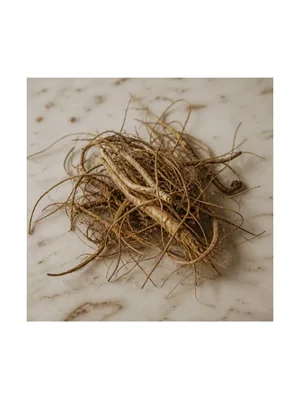
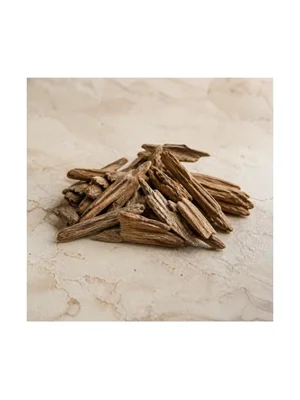
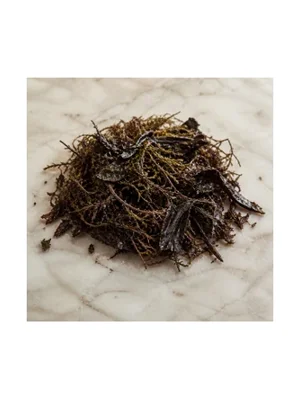
An accord term with no material behind it. Perfume Shrine's definition is the fullest one found: dry notes come from 'woods or some grasses (for instance vetiver), by rhizomes (orris/iris), by phenols (tar-like essences such as birch tar, guiacwood, leathery compounds), by mosses (oakmoss, treemoss)'. The named woods are cedar, sandalwood, oak, rosewood and birch. No fragrance house technical sheet defines the term, and no Parfumo definition of its own tag could be found.
Usage in Perfumery
Attested on 7 Parfumo entries across 5 brands, and on no Fragrantica entry. It is used as the counterweight that stops a sweet or an aqueous composition reading as either. Vetiver is the material sources reach for first when they need an example, contrasted directly against patchouli's 'sweet, opaque weight'.
Similar Notes
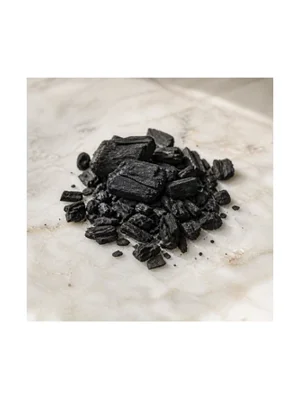
Perfumes featuring Dry Notes
A selection of reviewed perfumes where Dry Notes appears prominently.
No perfumes featuring this note have been reviewed yet. Check back soon.