Sycamore names no single substance
ReconstructedNot extracted.
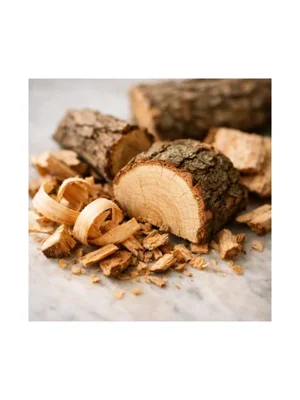
Note Profile
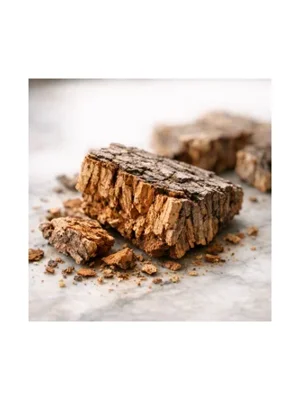
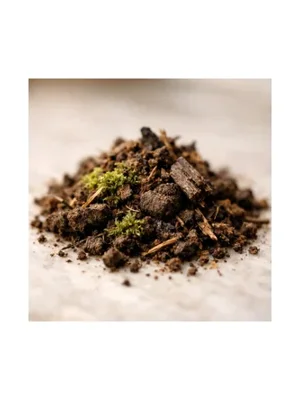
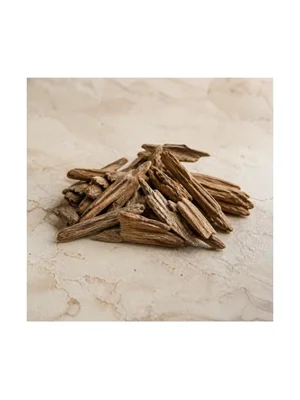
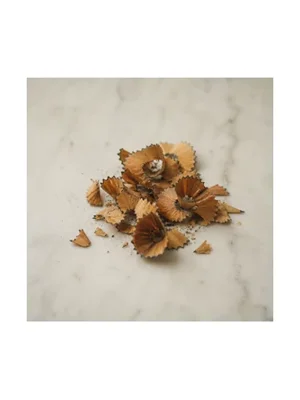
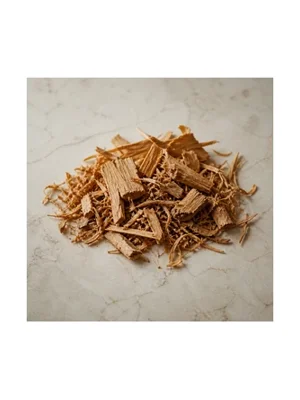
Sycamore wood in perfumery is characterized by a dry, slightly creamy, and subtly sweet woody aroma. It can have a light, airy quality that is less resinous than cedar or sandalwood, evoking the scent of fresh-cut wood, tree bark, and hints of green sap. Used in compositions, it adds natural depth and a gentle, woody backbone.
Sycamore wood presents a dry, creamy woody aroma with subtle sweetness and a light, airy quality. Its scent is less resinous than cedar or sandalwood, featuring nuances of fresh-cut wood, tree bark, and faint green sap. Over time, it maintains a gentle, natural woodiness with a soft, clean finish.
Read off the wheel, not a label applied to the note.
Not extracted.
Sycamore wood is sourced from trees in the genus Platanus, commonly found in temperate regions. In perfumery, its scent is typically recreated using a combination of natural wood extracts and synthetic molecules that capture its distinctive profile. Direct extraction is rare, so accords are often constructed to evoke its characteristic aroma.
Perfumers use sycamore primarily as a heart or base note to impart a refined woody backbone and natural depth. It blends well with other woods, green notes, and soft musks, supporting both fresh and sophisticated compositions. Its subtlety allows it to enhance structure without overpowering other ingredients.
A selection of reviewed perfumes where Sycamore appears prominently.
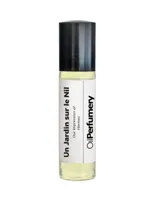
Oil · 2005
Oil Perfumery
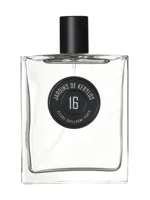
EDP · 2006
Pierre Guillaume Paris
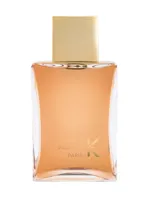
EDP · 2019
Ella K Parfums
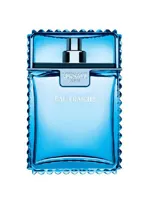
EDT · 2006
Versace
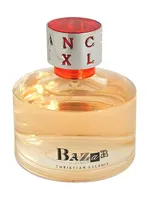
EDP · 2002
Christian Lacroix
New finds, honest verdicts, and price drops.
No spam. Unsubscribe anytime. See our privacy policy.