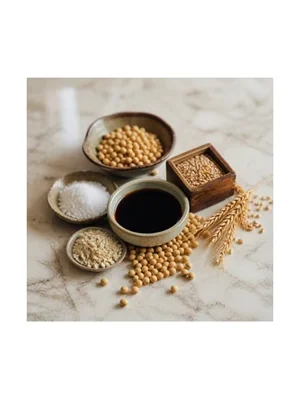
Soy Sauce
Note Profile
About
Soy sauce smells of fermentation and browning at the same time. A caramel-like sweetness sits over a cooked-potato savoury note, with smoke, a rose-like floral lift and a malty edge. No single part of it is loud. The Wikipedia entry is explicit that the product 'does not present a strong aroma' and that the smell comes from a critical balance of many odorants held at low concentration, which is why it reads as complex and savoury rather than as one identifiable thing.
Scent Profile
Sweet_vanillic leads on the caramel-like furanones the JAFC sensory review names first, and on sotolon, which Wikipedia describes as 'maple syrup, caramel, or burnt sugar at lower concentrations'. Sulphurous runs close behind, and it is the cooked-potato methional note the same review calls 'one of the most important aroma characteristics of Japanese soy sauce'. Smoky is the guaiacol-type phenol the review lists directly. Floral is 2-phenylethanol, which the review says 'has a rose-like odor and is one of the main compounds which has been linked to the floral notes of soy sauce'. Nutty carries 'malty', the fifth descriptor in the review's list. Below the naming line: sour and boozy for the acids and alcohols Wikipedia lists among the identified compound classes, warm_spice for the fenugreek-and-curry face sotolon shows at higher concentration, and small earthy and animalic values for the aged-brine depth. Nothing is pushed above 0.62 because the sources agree that no single compound drives this smell.
ScentWheel
Read off the wheel, not a label applied to the note.
Origin
A fermented condiment of soybeans, wheat, salt and a koji mould, Aspergillus oryzae. The mould breaks grain protein into free amino acids and starch into simple sugars, then a 90 to 180 day brine ferment and a final pasteurisation build the aroma. The caramel-like furanones (4-HDMF, 4-HEMF and the related sotolon family) come from Maillard browning. 2-phenylethanol, the rose-like alcohol, is made by yeast. Methional comes from Strecker degradation of methionine during both fermentation and pasteurisation.
Usage in Perfumery
A savoury gourmand accent, used in trace amounts. It appears in 3 Fragrantica perfumes and nothing in the other vocabulary, so it is a specialist term. Its job is to make a sweet or woody composition read as fermented and umami rather than as dessert. It pairs with sesame, rice, smoke and dried fruit.
Similar Notes
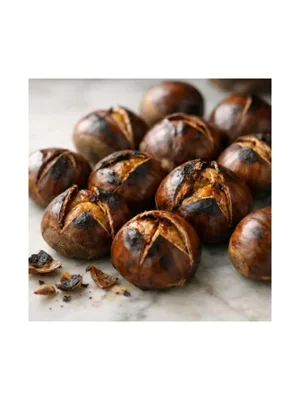
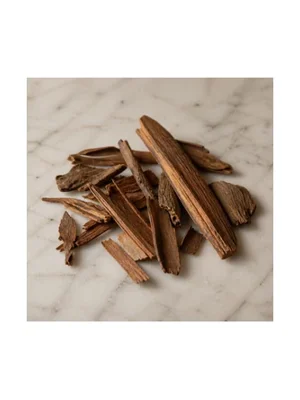
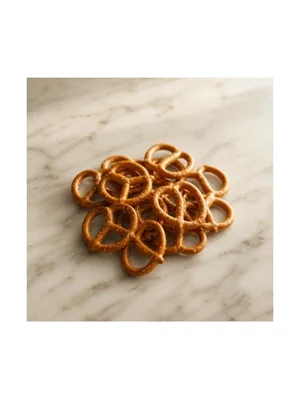
Perfumes featuring Soy Sauce
A selection of reviewed perfumes where Soy Sauce appears prominently.
No perfumes featuring this note have been reviewed yet. Check back soon.