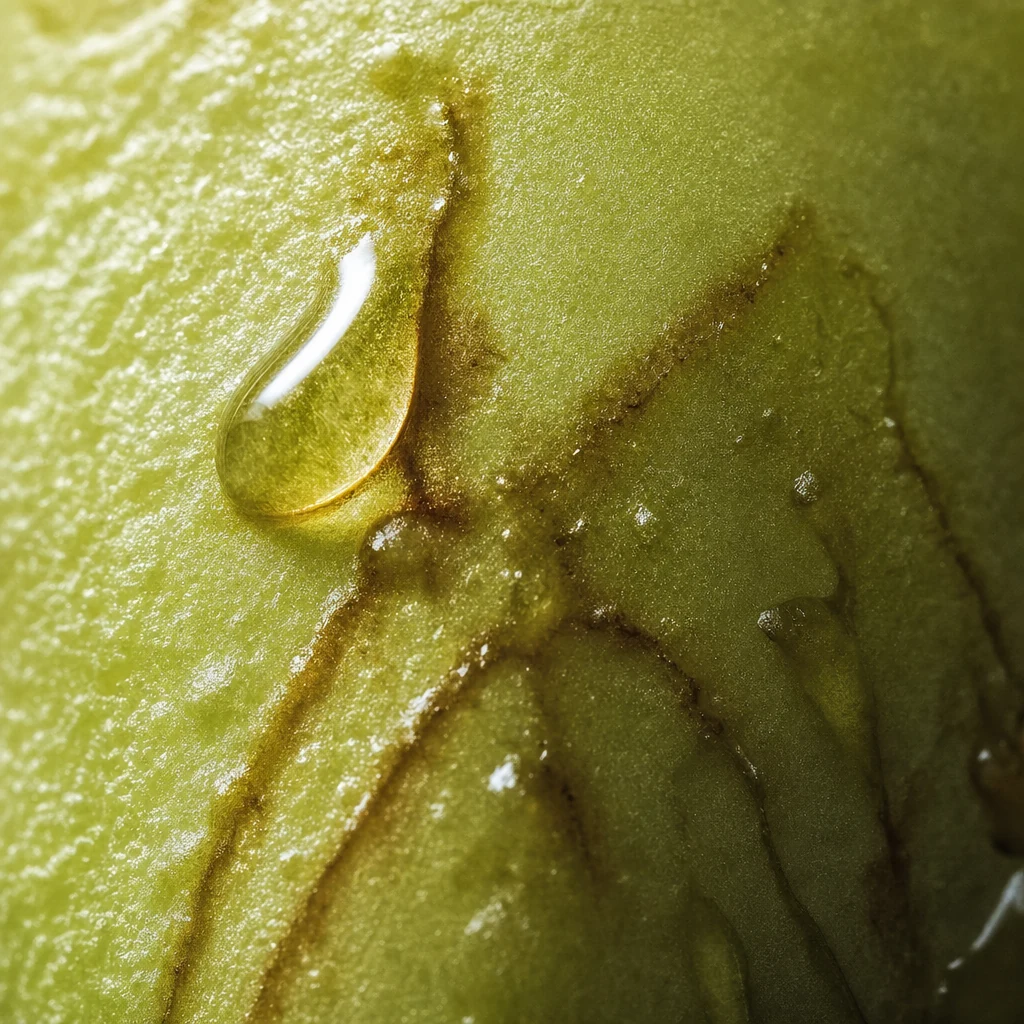
What it smells like
The smell that arrives with acidity, not the taste of it. Included on the human panel's evidence rather than against it: dravnieks applied `sour, vinegar` to 60 materials and `sour milk` to 8 with no access to taste.
Where it stops
Sour is the acid. Fruity is the sugar and juice. The two are often inversely related in the same fruit. Citrus is peel oil, not the non-volatile citric acid of the juice.
Smells most like
vinegar - and in the same register, sumac, balsamic vinegar.
Notes that load on it
Notes from our catalogue whose position on this facet is 0.40 or higher, strongest first. A note is not filed under one facet: it carries a value on all 34 at once, and these are the ones where this axis is doing real work.
-
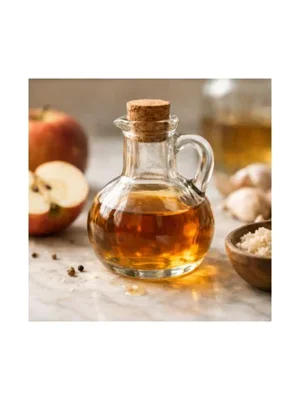 Vinegar
Top · ~1.5h
Prepared
3
Vinegar
Top · ~1.5h
Prepared
3
-
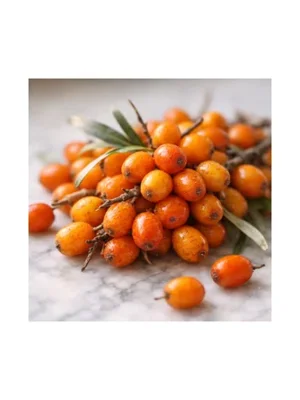 Sea Buckthorn
Fruity
Citrus
Heart · ~4h
Botanical
3
Sea Buckthorn
Fruity
Citrus
Heart · ~4h
Botanical
3
-
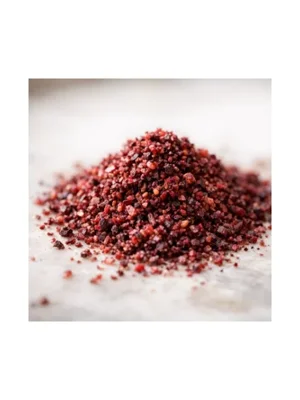 Sumac
Citrus
Fruity
Top · ~1h
Botanical
2
Sumac
Citrus
Fruity
Top · ~1h
Botanical
2
-
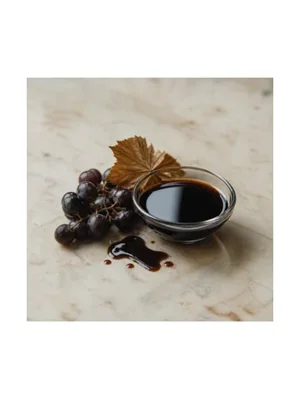 Balsamic Vinegar
Fruity
Vanilla
Honey
Heart · ~4h
Prepared
Balsamic Vinegar
Fruity
Vanilla
Honey
Heart · ~4h
Prepared
-
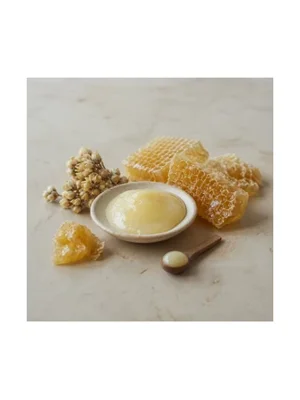 Royal Jelly
Heart · ~4h
Prepared
Royal Jelly
Heart · ~4h
Prepared
-
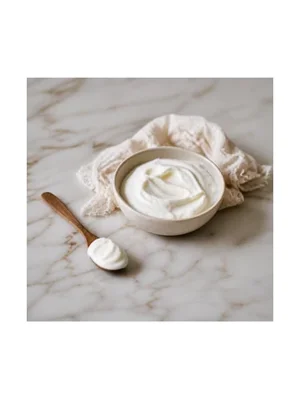 Sour Cream
Lactonic
Heart · ~5h
Prepared
Sour Cream
Lactonic
Heart · ~5h
Prepared
-
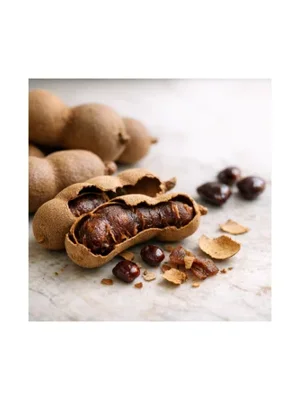 Tamarind
Fruity
Vanilla
Heart · ~6h
Botanical
25
Tamarind
Fruity
Vanilla
Heart · ~6h
Botanical
25
-
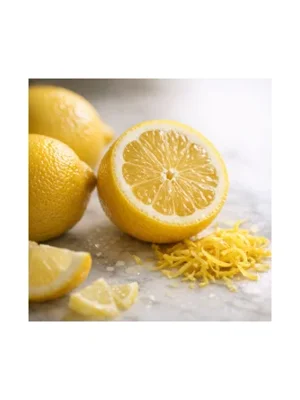 Lemon
Citrus
Top · ~3h
Botanical
4,458
Lemon
Citrus
Top · ~3h
Botanical
4,458
-
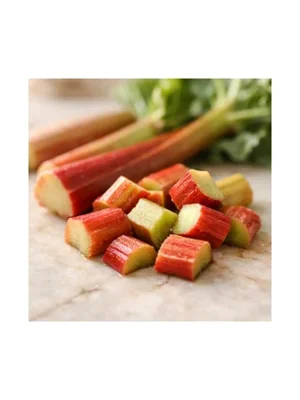 Rhubarb
Green
Fruity
Top · ~1h
Botanical
392
Rhubarb
Green
Fruity
Top · ~1h
Botanical
392
-
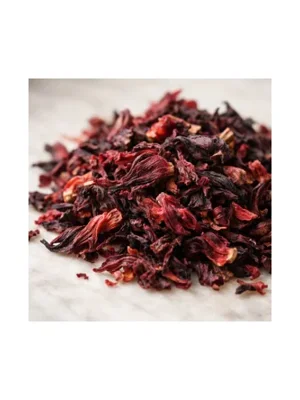 Hibiscus
Fruity
Floral
Heart · ~4h
Botanical
169
Hibiscus
Fruity
Floral
Heart · ~4h
Botanical
169
-
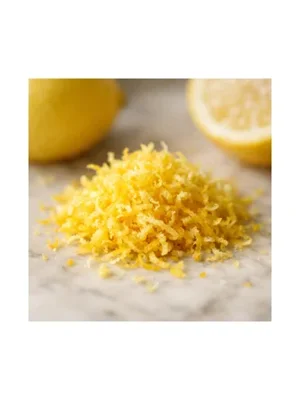 Lemon Zest
Citrus
Top · ~0.5h
Botanical
77
Lemon Zest
Citrus
Top · ~0.5h
Botanical
77
-
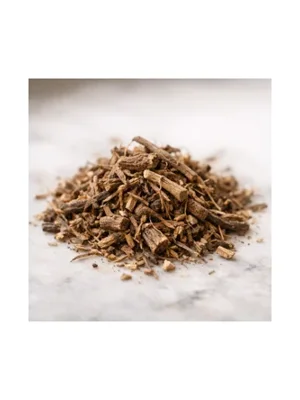 Valerian
Earthy
Animalic
Cooling
Base · ~18h
Botanical
7
Valerian
Earthy
Animalic
Cooling
Base · ~18h
Botanical
7
-
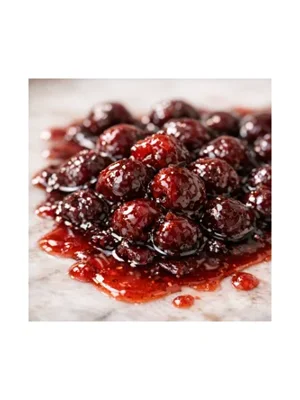 Griotte Syrup
Fruity
Nutty
Boozy
Heart · ~8h
Prepared
5
Griotte Syrup
Fruity
Nutty
Boozy
Heart · ~8h
Prepared
5
-
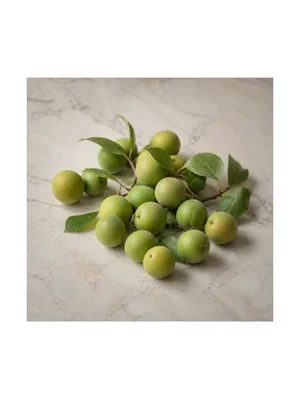 Green Plum
Green
Fruity
Top · ~2h
Botanical
Green Plum
Green
Fruity
Top · ~2h
Botanical
-
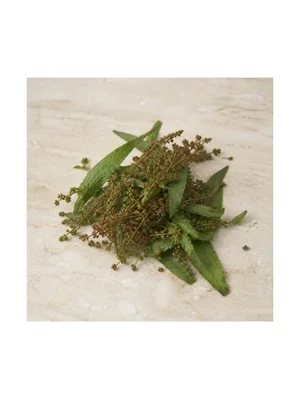 Rumex
Green
Mineral
Heart · ~5h
Botanical
Rumex
Green
Mineral
Heart · ~5h
Botanical
-
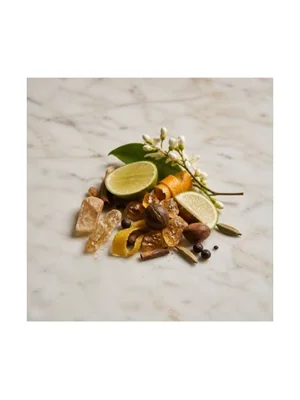 Soda Bubbles
Aldehydic
Aquatic
Mineral
Top · ~1h
Prepared
Soda Bubbles
Aldehydic
Aquatic
Mineral
Top · ~1h
Prepared
-
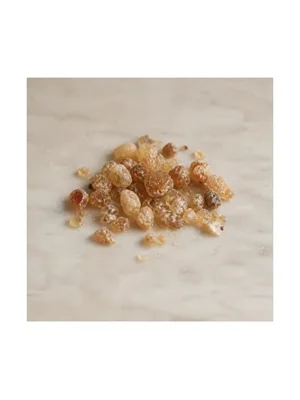 Sweat
Animalic
Base · ~12h
Abstract
Sweat
Animalic
Base · ~12h
Abstract
-
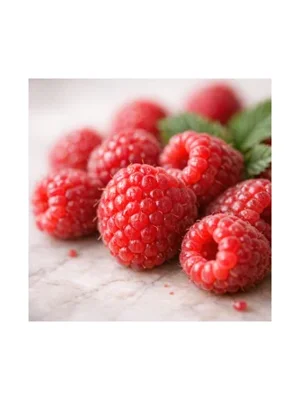 Raspberry
Fruity
Powdery
Floral
Heart · ~8h
Botanical
1,702
Raspberry
Fruity
Powdery
Floral
Heart · ~8h
Botanical
1,702
-
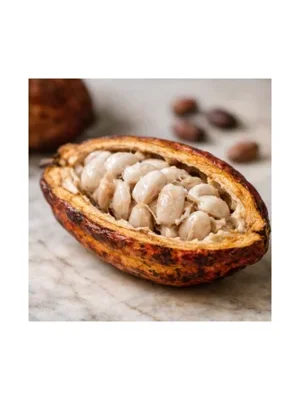 Cacao Pod
Fruity
Tropical
Green
Base · ~24h
Botanical
582
Cacao Pod
Fruity
Tropical
Green
Base · ~24h
Botanical
582
-
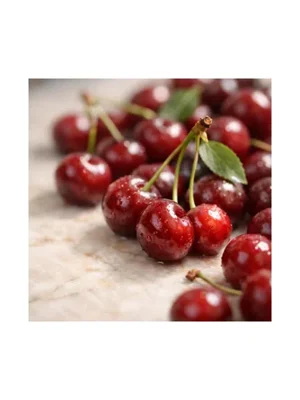 Sour Cherry
Fruity
Nutty
Heart · ~3h
Botanical
102
Sour Cherry
Fruity
Nutty
Heart · ~3h
Botanical
102
Materials that carry it
Real substances, each keyed by its CAS registry number, that an external perfumery vocabulary publishes with a term meaning this facet outright. This is the layer that makes a facet checkable against something outside our own database.
| Material | CAS | Terms | Status |
|---|---|---|---|
| acetic acid | CAS 64-19-7 | acidic, sour, vinegar | |
| pyruvic acid | CAS 127-17-3 | acidic, sour | |
| valeric acid | CAS 109-52-4 | acidic, sour | |
| ethyl lactate | CAS 97-64-3 | acidic, tart | |
| propionic acid | CAS 79-09-4 | acidic, vinegar | |
| isobutyric acid | CAS 79-31-2 | acidic, sour | |
| isovaleric acid | CAS 503-74-2 | acidic, sour | |
| trans-2-octenoic acid | CAS 1871-67-6 | acidic, sour | |
| trans-2-pentenoic acid | CAS 13991-37-2 | acidic, sour | |
| 2-methyl-2-pentenoic acid | CAS 3142-72-1 | acidic, sour | |
| 2,4-dimethyl-2-pentenoic acid | CAS 66634-97-7 | acidic, tart | |
| glyoxal | CAS 107-22-2 | sour | |
| pyridine | CAS 110-86-1 | sour | |
| triacetin | CAS 102-76-1 | acidic | |
| tributyrin | CAS 60-01-5 | acidic | |
| formic acid | CAS 64-18-6 | vinegar | |
| tiglic acid | CAS 80-59-1 | acidic | |
| decanoic acid | CAS 334-48-5 | sour | |
| dl-methionine | CAS 59-51-8 | acidic | |
| hexanoic acid | CAS 142-62-1 | sour | |
| methylglyoxal | CAS 78-98-8 | acidic | |
| alpha-sinensal | CAS 17909-77-2 | sour | |
| beta-bisabolol | CAS 15352-77-9 | tart | |
| heptanoic acid | CAS 111-14-8 | sour | |
| levulinic acid | CAS 123-76-2 | acidic | |
| acetic anhydride | CAS 108-24-7 | vinegar | |
| ethyl pentanoate | CAS 539-82-2 | acidic | |
| hexyl isobutyrate | CAS 2349-07-7 | tart | |
| neryl isovalerate | CAS 3915-83-1 | sour | |
| phenylacetic acid | CAS 103-82-2 | sour |
Showing 30 of 72. The full set ships with the published standard rather than being paginated here.
Reading the two flags
Declarable means the substance appears in Annex III of the EU Cosmetics Regulation, so it has to be named on the ingredient list once it passes a concentration threshold. IFRA means an IFRA Standard restricts or prohibits its use. Both are facts about the substance, not about any fragrance: a perfume can contain a declarable material below the threshold and never print it, and a restricted material used within its limit is used correctly.
The source also supplies no common name for a large share of materials, so those display as a bare registry number and are ranked last. They are kept because they are real evidence: dropping them would make the vocabulary look better described than it is.
Anchor terms
A facet on its own is just a word we chose. An anchor is what makes it checkable: a term in an external, independently maintained vocabulary of odour descriptions, built for perfumery materials rather than for us. The material list above is drawn from the direct terms only, because a partial term corroborates too weakly to stand as evidence on its own.
Direct
Terms that mean this facet outright
- acidic
- sour
- sour, vinegar
- tart
- vinegar
Partial
Terms that lean this way but also load elsewhere
- fermented
- fermented, rotten fruit
- sour milk
The rest of Fruity
The other facets in this family. A note can load on any of them at the same time as this one, so they are neighbours rather than alternatives.