








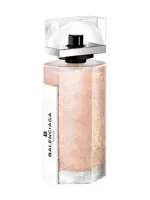
B. Balenciaga
EDP
Balenciaga
Favourite

Heritage fashion house fragrances linking archival couture codes with contrasted, often architectural compositions.
Balenciaga is the fragrance arm of the Spanish fashion house founded by Cristóbal Balenciaga in 1917. After establishing his couture reputation in Spain, Balenciaga moved to Paris in 1937 and later entered perfumery in 1947 with Le Dix, named after the house address at 10 Avenue Georges V in Paris. Archival sources from the brand and Kering note that Le Dix was followed between 1949 and 1962 by La Fuite des Heures, Eau de Balenciaga (1954), and Quadrille, creating an early portfolio of refined feminine chypres and florals.
Over the decades, Balenciaga expanded into mens and womens scents, with releases such as Quadrille (1950), Ho Hang (1971), Michelle (1979), Balenciaga pour Homme (1990), Cristobal (1998) and Cristobal pour Homme (2000), documented by databases like Parfumo. In 2024, under Kering Beauté, the house relaunched its fragrance line as a ten‑scent collection that revives Le Dix and introduces new names including Getaria, No Comment, Twenty Four Seven, Muscara, 100%, Extra, Cristóbal and Incense Perfumum. Brand and group communications describe this collection as honoring the original olfactive heritage while working with contemporary materials.
The modern perfumes emphasize contrast: neo‑marine freshness against sun‑heated accords in Getaria, operatic florals and woods in Le Dix, and darker notes like oud and incense in Incense Perfumum. Official descriptions from Balenciaga and Kering highlight a focus on sculpted bottle forms that echo the brand’s couture silhouettes, and on composing each scent to reflect specific elements of the founder’s story, from his Basque coastal origins to the controlled minimalism of the fashion archives.
A designer, luxury house known for floral compositions.
Balenciaga’s fragrance history moves from mid-20th-century feminine chypres and florals like Le Dix and Quadrille to the more masculine woods and aromatics of the 1970s through 1990s, exemplified by Ho Hang and Balenciaga pour Homme. After periods of relative quiet and discontinuations, Kering Beauté’s recent relaunch reframes the line as a curated, boutique-style collection focused on storytelling and couture links rather than mass-market flankers. The new era leans into high-quality materials and more niche-like positioning while consciously reviving and reinterpreting the brand’s early olfactive codes.
Balenciaga is a designer brand that behaves more like a niche house, prioritizing concept, heritage and structure over easy crowd-pleasing sweetness. It rewards wearers who appreciate design-driven compositions and do not mind hunting for select or boutique distribution.
Favourite - easy to wear anywhere · Statement - bold & distinctive · Acquired - bold, for fewer occasions
EDP
Balenciaga
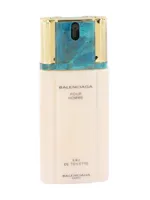
EDT
Balenciaga
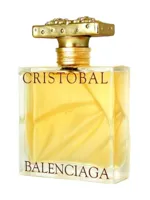
EDP
Balenciaga
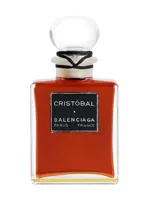
EDT
Balenciaga
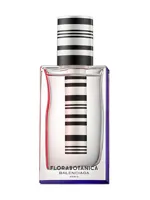
EDP
Balenciaga
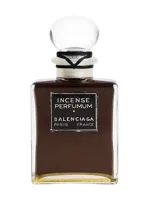
EDT
Balenciaga
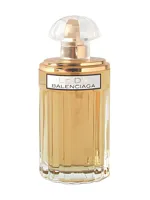
EDP
Balenciaga
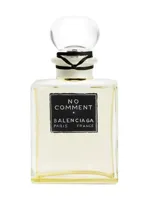
EDT
Balenciaga
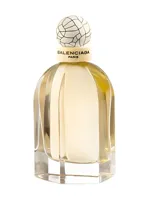
EDP
Balenciaga
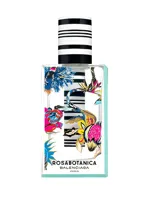
EDP
Balenciaga
New finds, honest verdicts, and price drops.
No spam. Unsubscribe anytime. See our privacy policy.