

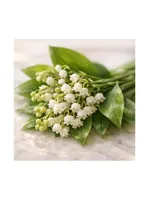
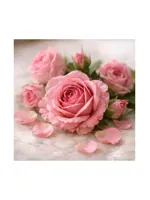





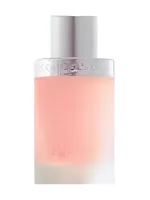
Aquasenses
EDT
Lancaster
Acquired

Monaco-based skincare and sun-care brand with clean, wearable companion fragrances.
Lancaster is a Monaco-based beauty brand created in the mid-1940s by Royal Air Force bomber pilot Georges Wurz and chemist Dr. Eugene Frezzati. According to historical accounts, the two met on the Côte d'Azur during World War II and later decided to build a high-end cosmetics company together. Wurz had flown an Avro Lancaster bomber, which inspired the name of the brand. Sources such as Cosmetics and Skin and Perfume.com date the founding to around 1945-1946.
Lancaster began as a skincare house but moved into fragrance early: Cosmetics and Skin notes that the company was already selling perfumes by at least 1954, with Mademoiselle de Paris Parfum and Midship Eau de Toilette among the first launches. To support this growing fragrance activity, Wurz and Frezzati created the Société des Essences Aromatiques et Matières Premières in 1959 specifically to handle the scent side of the business. Over time, the brand built a catalog that includes perfumes such as Eau de Lancaster and the Aquasenses and Aquasun ranges, alongside sun care and treatment products.
The company is particularly associated with sun protection and anti-ageing research. Lancaster describes itself as “photoaging experts since 1945,” and historical overviews point to innovations such as oxygen-based cosmetics (1993) and advanced sun repair formulas (1997). The brand operates research centers in Europe and the United States and holds numerous patents in UV-filter technology and skin repair. Its perfumes sit alongside this scientific focus, often marketed through beauty retailers and department stores rather than stand-alone boutiques.
Lancaster fragrances exist in the borderland between skincare-linked designer scents and mainstream selective perfumery. They are typically distributed through perfumeries and online cosmetic retailers, with a focus on approachable, wearable compositions that complement the brand’s broader positioning in suncare and skin treatments.
A designer, mid house known for citrus compositions.
Lancaster started as a postwar Monaco skincare house and moved into fragrance by the mid-1950s, treating perfume as an extension of a beauty routine rather than a standalone luxury object. Over time, the brand doubled down on sun-care and anti-ageing research, and its scents increasingly mirrored that focus with fresh, clean, and often "sunny" compositions. In recent decades, instead of chasing blockbuster launches, Lancaster has maintained a low-key presence in perfumery, with flankers and light, resort-style scents sold mainly through cosmetic and online channels.
Lancaster is a solid pick if you want unobtrusive, fresh fragrances that fit into a suncare-focused routine and are often well-priced. If you prioritize originality, complex storytelling, or strong projection, there are more compelling houses to explore.
Favourite - easy to wear anywhere · Statement - bold & distinctive · Acquired - bold, for fewer occasions
EDT
Lancaster
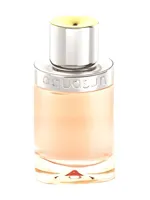
EDT
Lancaster
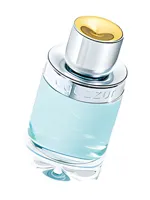
EDT
Lancaster
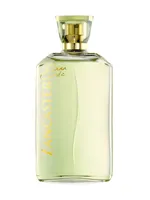
EDT
Lancaster
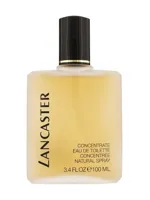
EDT
Lancaster
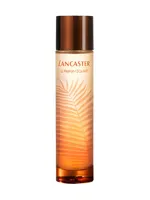
Parfum
Lancaster
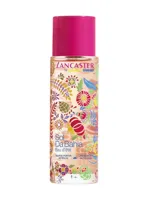
EDT
Lancaster
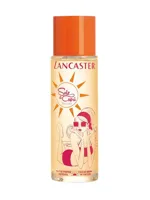
EDT
Lancaster
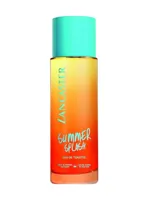
EDT
Lancaster
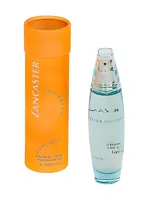
EDT
Lancaster
New finds, honest verdicts, and price drops.
No spam. Unsubscribe anytime. See our privacy policy.