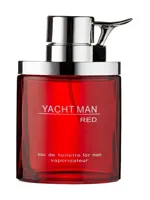

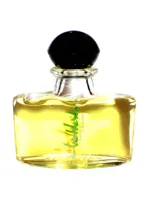
Alada
EDT
Myrurgia
Acquired
Historic Spanish perfume house best known for Maja and ornate, art-driven presentations.
Myrurgia is a historic Spanish perfume house founded in 1916 by Catalan sculptor Esteban (Esteve) Monegal Prat in Barcelona. Contemporary accounts highlight that Monegal chose the name "Myrurgia" from Greek roots related to "essence" and "work," reflecting his intention to treat perfumery as a crafted art rather than a commodity. The company became one of Spain's leading perfume producers in the mid 20th century, particularly through the 1950s and 1960s, when it competed primarily with Perfumeria Gal in the domestic market.
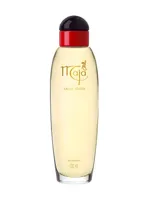
Among its early successes were fragrances such as Maderas de Oriente, Fantasio, Clavel de España, Suspiros de Granada, Promesa and Embrujo de Sevilla, which helped establish the house's reputation. Myrurgia's most famous creation is Maja, first introduced in 1918, often cited as the brand's flagship and later reintroduced in 1945. Parfumo notes that Maja was inspired by a contemporary Spanish flamenco dancer, and for trademark reasons it was sold as Goyesca in some markets outside Spain for a period.
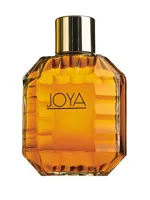
Myrurgia was known not only for its scents but also for elaborate presentation: period sources describe the use of Bohemia glass, gold accents and mother-of-pearl details on packaging to position the products as prestige items in Spain. In July 2000 the company was acquired by Puig Beauty & Fashion Group, and its key franchises, including Maja, were integrated into Puig's broader portfolio. While many classic Myrurgia fragrances are now discontinued or niche vintage finds, the brand's historical output remains a reference point for Spanish perfumery of the 20th century.
A designer, mid house known for floral compositions.
Myrurgia began as an art-focused Catalan perfume house marrying sculpture, design and fragrance under Esteban Monegal Prat. Through the mid 20th century it grew into a leading Spanish perfumery, with Maja and a series of regionally themed scents building its reputation. After its acquisition by Puig in 2000, the brand's identity shifted from a standalone creative house to a heritage label within a larger corporate portfolio, with a reduced but still visible presence mostly in legacy lines and value-oriented distribution.
Myrurgia is best approached as a heritage brand: great if you enjoy classic, powdery florals and Spanish perfume history, less compelling if you want cutting-edge niche work. It offers nostalgia and character more than modern trend-driven releases.
Favourite - easy to wear anywhere · Statement - bold & distinctive · Acquired - bold, for fewer occasions
New finds, honest verdicts, and price drops.
No spam. Unsubscribe anytime. See our privacy policy.