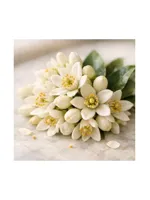

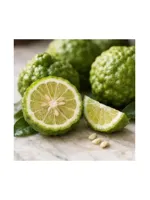
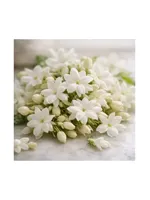
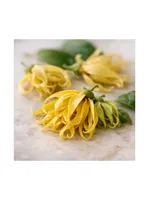
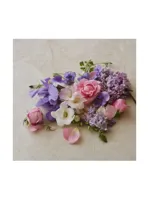
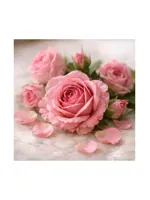



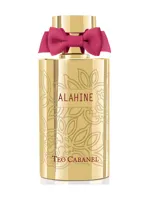
Alahine
EDP
Téo Cabanel
Acquired
Historic French niche house marrying archival formulas with modern, ingredient-focused compositions at fair prices.
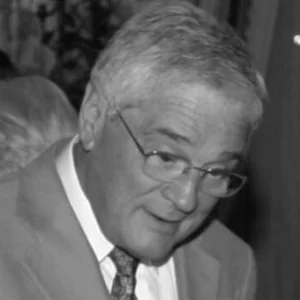
Téo Cabanel traces its roots to 1893, when French doctor and medical chemist Théodore Cabanel began composing eaux de cologne and quintessences near Algiers. He and his wife Méloé created hundreds of formulas, then moved the business to Paris in 1908, where their boutique became a fashionable address. Cabanel’s refined compositions won an elite clientele, most famously the Duchess of Windsor, who relied on fragrances such as Julia and Yasmina and appointed him her official perfumer.
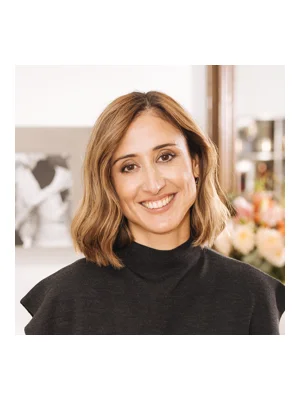
From the 1930s onward, the house was overseen by the founders daughter, who kept the formulas and style alive into the late 20th century. In the early 2000s she passed the company to her god‑daughter, Caroline Ilacqua, who inherited the historic formula books at the age of 22. Ilacqua relaunched Téo Cabanel around 2005 as a small French perfume house focused on high quality materials and fair pricing, working closely with perfumer Jean‑François Latty, known for creations like Clarins Eau Dynamisante and Yves Saint Laurent Jazz, on the modern collection.
Today the brand operates as an independent niche house based in France, blending its late‑19th‑century heritage with contemporary concerns around sustainability and skin‑friendliness. Many recent releases emphasize traceable ingredients and formulas designed to minimize potential allergens, while still referencing the rich, textured style associated with classics like Alahine and Barkhane.
A niche, premium house known for amber compositions.
The original Cabanel house built its reputation on colognes, handkerchief essences and refined florals for a rarefied clientele in Paris. Under Caroline Ilacqua and perfumer Jean-François Latty in the 2000s, the focus shifted to richer orientals and florals like Alahine, designed for modern niche customers while drawing from historical formulas. More recent years have brought a noticeable move toward gourmand, mood-lifting and gender-neutral compositions, alongside messaging around traceable ingredients, reduced allergens and fair pricing, positioning Téo Cabanel as both heritage-driven and contemporary in values.
Téo Cabanel is a serious heritage niche house that quietly delivers quality and character without hype. It suits fragrance fans who value classical French style and solid materials over flashy marketing or maximalist projection.
Favourite - easy to wear anywhere · Statement - bold & distinctive · Acquired - bold, for fewer occasions
EDP
Téo Cabanel
EDT
Téo Cabanel
EDP
Téo Cabanel
EDP
Téo Cabanel
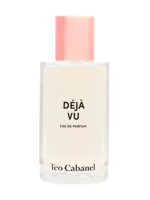
EDP
Téo Cabanel
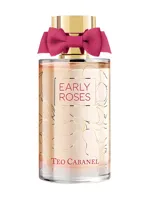
EDP
Téo Cabanel
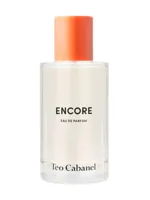
EDP
Téo Cabanel
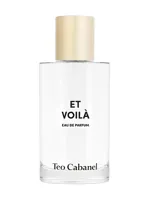
EDP
Téo Cabanel
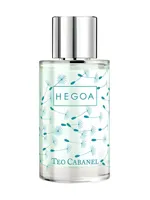
EDT
Téo Cabanel
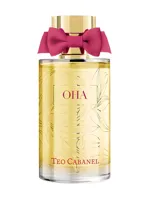
EDT
Téo Cabanel
New finds, honest verdicts, and price drops.
No spam. Unsubscribe anytime. See our privacy policy.