

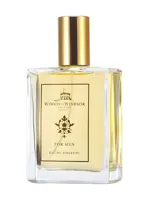
For Men
EDT
Woods of Windsor
Acquired

Historic English floral bath, body and home fragrances built around classic botanicals at accessible prices.
Woods of Windsor traces its heritage to a chemist shop that opened in 1770 in the shadow of Windsor Castle in Berkshire, England. Historical accounts note that this apothecary served both local residents and members of the Royal Family and visiting dignitaries. In 1970, husband-and-wife team Roger and Kathleen Knowles bought the then-dilapidated Woods Pharmacy and, while clearing the premises, uncovered 18th- and 19th-century prescription books, fragrance recipes and medical artefacts linked to the original business.
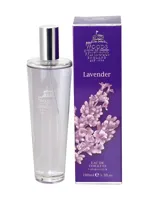
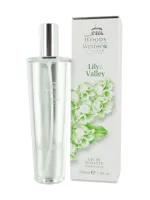
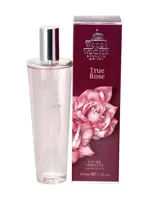
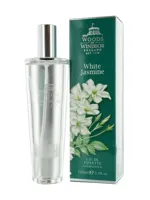
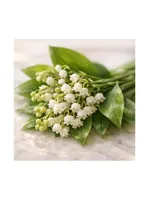
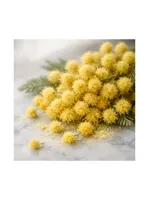
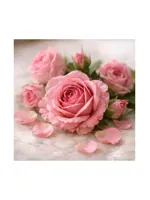
Inspired by these archives, the Knowles created a line of perfumes and toiletries, launching the Woods of Windsor range in 1971 with products such as pot pourri and china pomanders scented with lavender. Over the following decades the brand expanded distribution well beyond Windsor, offering soaps, bath products, body care and home fragrance built around traditional English florals like rose, lily of the valley, mimosa, jasmine and lavender. Well-known lines include White Jasmine, True Rose and Mimosa.
Corporate ownership of Woods of Windsor has changed over time; after a period under different owners, the brand was acquired by Lornamead, which relaunched the flagship Windsor store after a previous owner, Disperse Group, went into administration. Woods of Windsor has also collaborated with English Heritage on home fragrance collections inspired by historic sites such as Kenilworth Castle, Eltham Palace and Osborne, reinforcing its positioning as a British heritage name focused on classic floral compositions and accessible grooming and home products.
A mass market, mid house known for floral compositions.
The modern Woods of Windsor line grew out of archival apothecary recipes rediscovered in 1970 and was initially focused on traditional English pot pourri and lavender-based toiletries. Over time, the brand expanded into a broader bath, body and home fragrance offer while keeping the core focus on familiar floral themes. Under Lornamead's ownership, the emphasis has remained on heritage storytelling and collaborations, such as the English Heritage home fragrance collections, rather than on pushing into niche or experimental perfumery.
Woods of Windsor is a solid choice if you want gentle, old-school English florals and matching toiletries at reasonable prices. Fragrance obsessives seeking high impact or originality will likely find it too safe and simplistic.
Favourite - easy to wear anywhere · Statement - bold & distinctive · Acquired - bold, for fewer occasions
New finds, honest verdicts, and price drops.
No spam. Unsubscribe anytime. See our privacy policy.