

Is Maison Alhambra Maître de Blue a dupe of Chanel Bleu de Chanel?







 Bleu de Chanel EDP
| EDP | Concentration | EDP |
| M | Gender | M |
| 2014 | Year | 2022 |
| ££ | Price Tier | £ |
 Maître de Blue EDP
Bleu de Chanel (BdC) and Maître de Blue (MdB) share a similar DNA, but the experience differs. Bleu de Chanel offers a refined, balanced, and high-quality composition, justifying its premium price. Maître de Blue aims for the same profile at a budget price point but suffers from inconsistent performance and a rougher, more synthetic edge. If you value a smooth, reliable, and sophisticated experience, Bleu de Chanel is the clear winner. However, if you prioritize affordability and are willing to risk some inconsistencies, Maître de Blue could be a worthwhile gamble.
 →
Where they differ
Biggest gaps first. The bolder side leads.
ScentArt
How it unfolds
Notes
- Bleu de Chanel
- Maître de Blue
- in both
Tap a note to light it in both. A+B means both have it
Which Should You Buy?
- You prefer a smoother, more refined scent profile.
- Consistent performance and longevity are important.
- You appreciate high-quality ingredients.
- You want a classic, reliable fragrance.
- Affordability is your top priority.
- You are okay with some synthetic notes.
- You like to explore budget-friendly options.
- You don't mind inconsistent performance.
Effortless, magnetic, and endlessly versatile, Bleu de Chanel EDP is the modern masculine standard. Its crisp citrus opening, aromatic heart, and warm, woody-amber finish strike an impeccable balance between freshness and depth.
A divisive clone to 'the blue king'. Maître de Blue either offers 'olfactory orgasm' levels of smooth, versatile scent for a steal, or it's a screechy, synthetic chemical cleaner that burns the nose and disappears in a flash. Expect performance to be hit or miss, and a scent profile that's a bit rough around the edges.
Scent Profile
How They Wear
Mood
Notes
Top Notes
Heart Notes
Heart Notes
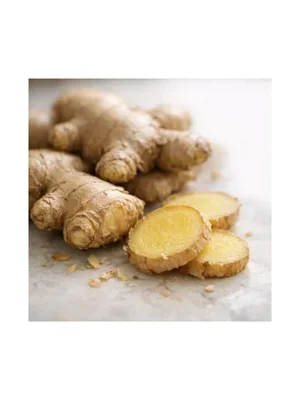 Ginger
28%
vs
36%
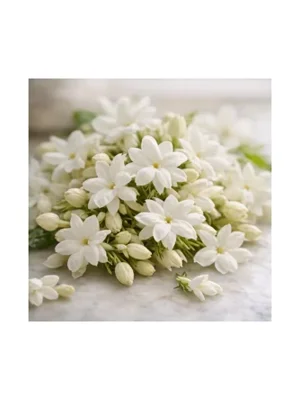 Jasmine
24%
vs
25%
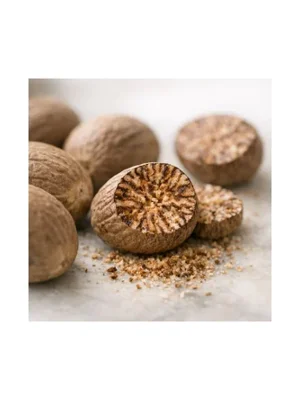 Nutmeg
24%
vs
19%
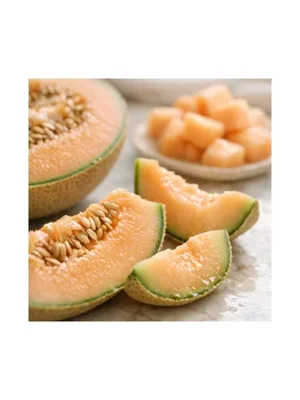
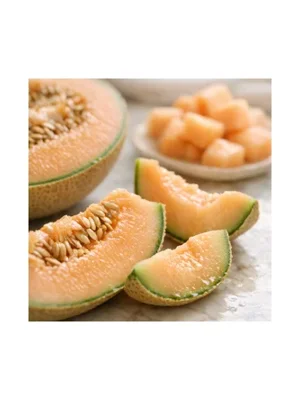 Melon
23%
vs
18%
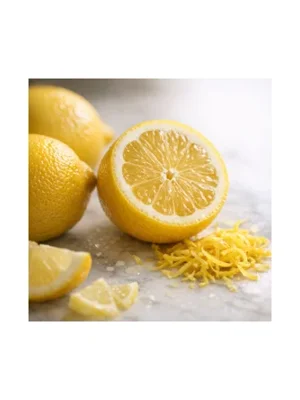
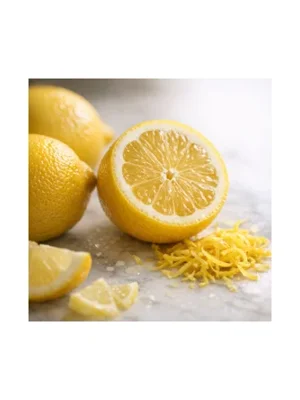 Lemon
16%
vs
17%
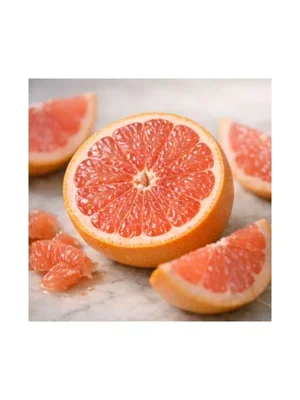 Grapefruit
16%
vs
19%
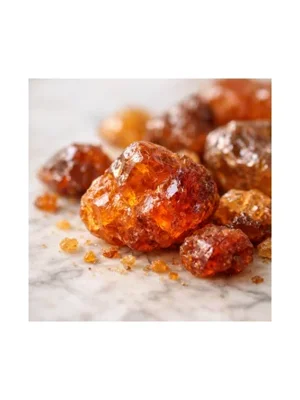
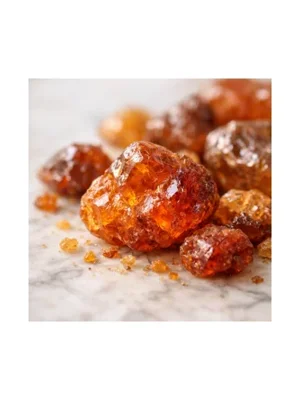 Amber
16%
vs
18%
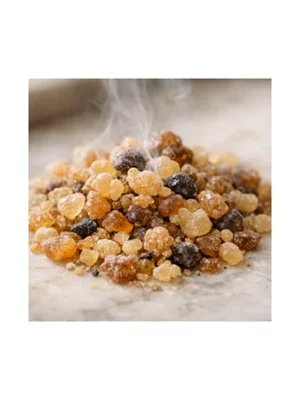 Incense
16%
vs
15%
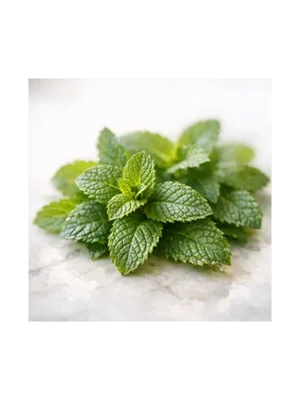
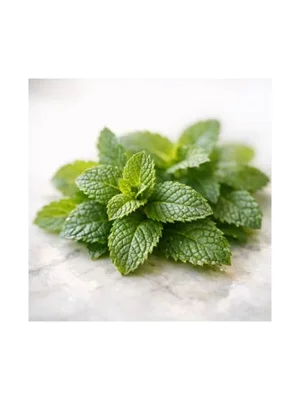 Mint
14%
vs
16%
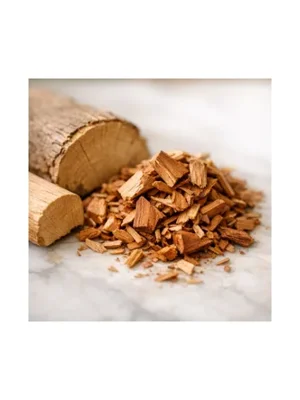 Sandalwood
14%
vs
15%
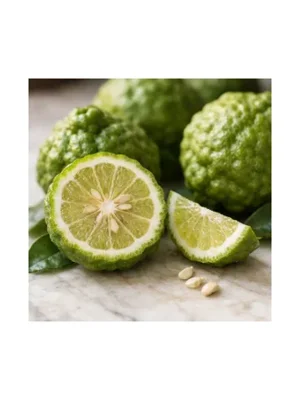 Bergamot
14%
vs
17%
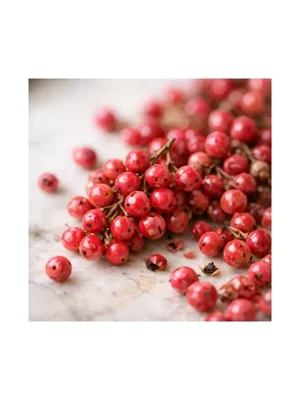 Pink Pepper
13%
vs
12%
 Aldehydes
13%
vs
16%
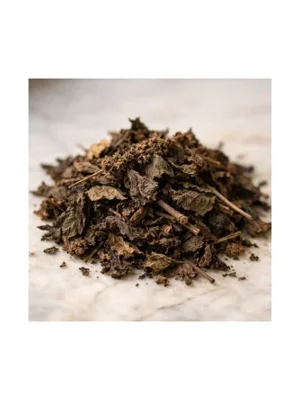 Patchouli
13%
vs
17%
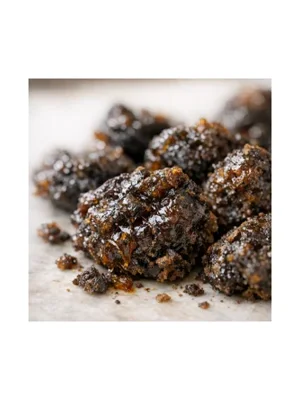 Labdanum
12%
vs
17%
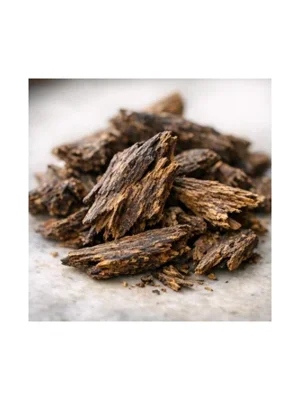 Oud
15%
Lemon
16%
vs
17%
Grapefruit
16%
vs
19%
Mint
14%
vs
16%
Bergamot
14%
vs
17%
Pink Pepper
13%
vs
12%
Aldehydes
13%
vs
16%
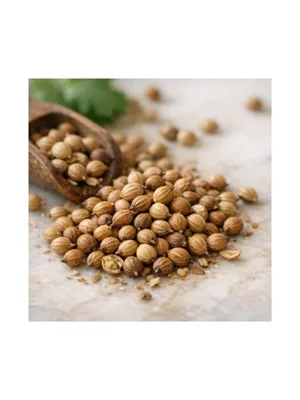 Coriander
12%
Amber
16%
vs
18%
Incense
16%
vs
15%
Sandalwood
14%
vs
15%
Patchouli
13%
vs
17%
Labdanum
12%
vs
17%
Oud
15%
Note weights are our estimate from each note's place in the pyramid, not the share of the formula. Brands do not publish formulations.
Performance
Season and Occasion Fit
Seasons
Balanced freshness and warm amber-woody depth make it versatile for spring and fall, with enough richness for brisk days yet not too heavy for milder weather. It can be worn year-round but is less suited to high summer humidity or deep winter cold.
Occasions
Its refined, versatile freshness is ideal for office and formal wear, while the warm, woody drydown is equally compelling for dates and casual outings. Projection and sophistication make it less suitable for sporty scenarios.
Seasons
Versatile across every season - no clear seasonal preference from wearers.
Occasions
This fragrance is generally perceived as versatile, suitable for all seasons and times. Its fresh, clean profile makes it an easy reach for casual and office wear, though its varying longevity and sillage mean discretion is advised for formal settings.
Similarity Breakdown
Our estimate of how alike these two fragrances smell, calculated from their published notes. It is a position on our scale, not a measured percentage of shared smell.
Shares 15 of its 16 notes, including Pink Pepper, Grapefruit, Lemon
Adds oud, drops amberwood and cedar
Where to buy
Pick a size. The two cheapest offers, then the rest.


Prices before sales tax, which the shop adds at checkout.
ScentVerdict earns a commission from purchases - this doesn't affect our verdicts.