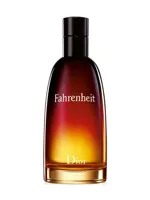

Is Fragrance World Renheit a dupe of Dior Fahrenheit?


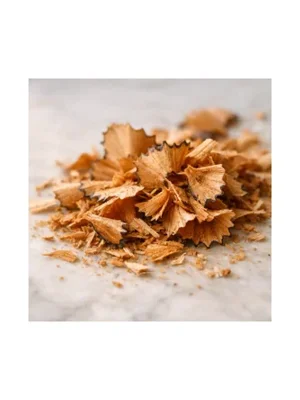

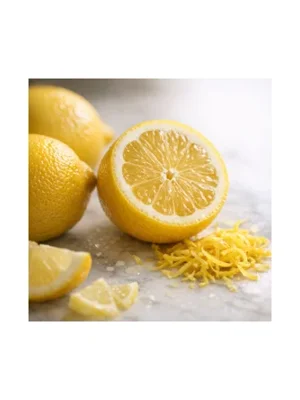




 Fahrenheit EDT
| EDT | Concentration | EDP |
| M | Gender | M |
| 1988 | Year | 2023 |
| $$ | Price Tier | $ |
 Renheit EDP
Renheit smooths out Fahrenheit's daring gasoline accord, making it more approachable. Fahrenheit is unapologetically bold and iconic, while Renheit offers a modern, sweeter, and easier-to-wear interpretation. The original boasts a sharper, more distinct leather, while the dupe opts for a softer, more contemporary blend with unisex appeal. If you want a challenging, statement fragrance with historical significance, go with Fahrenheit. Choose Renheit for a gentler, more versatile, and budget-friendly daily wear.
 →
Where they differ
Biggest gaps first. The bolder side leads.
ScentArt
How it unfolds
Notes
- Fahrenheit
- Renheit
- in both
Tap a note to light it in both. A+B means both have it


Which Should You Buy?
- You want a bold, unforgettable fragrance.
- You appreciate iconic, historically significant scents.
- You prefer a strong leather and gasoline accord.
- You enjoy challenging and unique fragrances.
- You want a more wearable, modern take on a classic.
- You prefer a sweeter, smoother interpretation of leather.
- You're looking for a budget-friendly alternative.
- You want a versatile daily fragrance.
- You prefer unisex fragrances.
Violet leaf and mandarin cut through Fahrenheit’s smoky leather, while nutmeg, vetiver and tonka bean deepen its dry, woody character.
This one's a smooth operator, softening the classic Fahrenheit 'petrol' punch into something far more wearable. It's a modern take on a legendary scent, blending leather with gentle florals and a sweet edge.
Scent Profile
How They Wear
Mood
Notes
Top Notes
Heart Notes
Base Notes
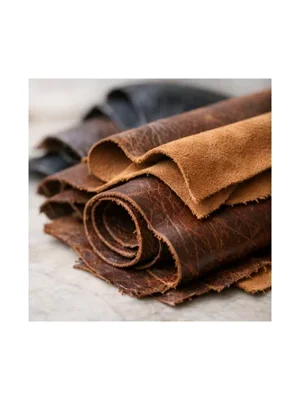 Leather
13%
vs
11%
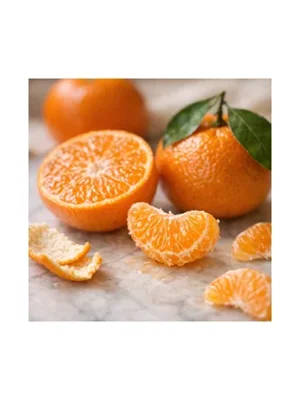 Mandarin
9%
vs
7%
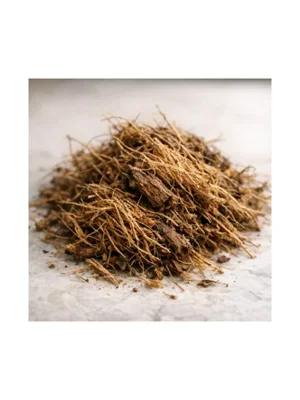 Vetiver
6%
vs
5%
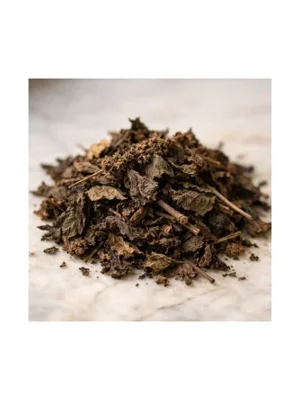 Patchouli
5%
vs
7%
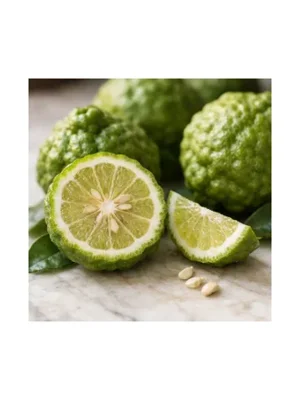 Bergamot
5%
vs
6%
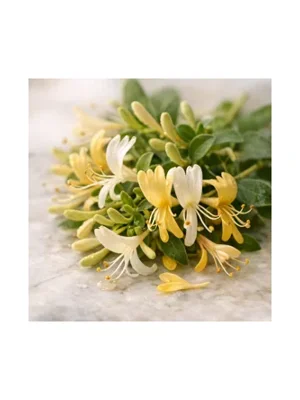 Honeysuckle
4%
vs
6%
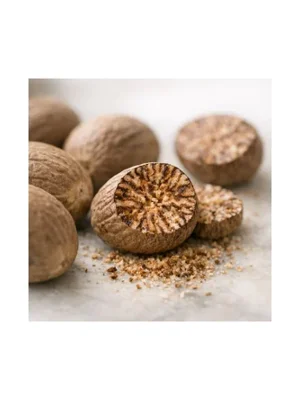 Nutmeg
4%
vs
6%
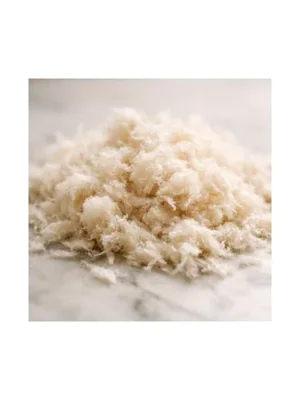 Musk
3%
vs
7%
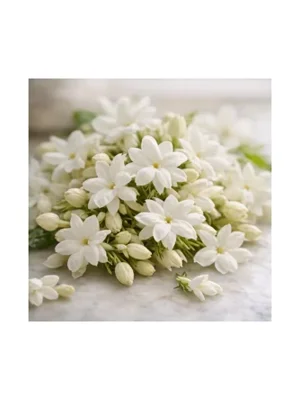 Jasmine
3%
vs
6%
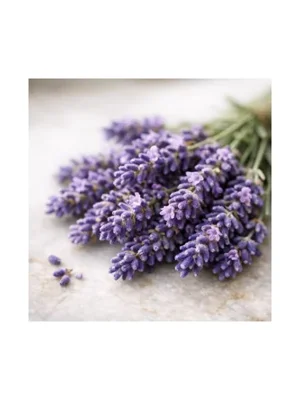 Lavender
2%
vs
7%
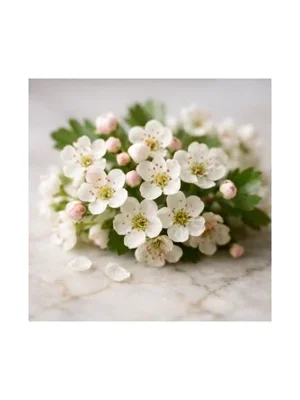 Hawthorn
1%
vs
7%
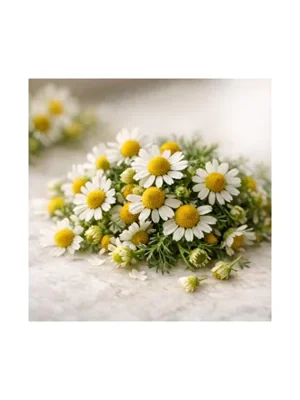 Chamomile
0%
vs
10%
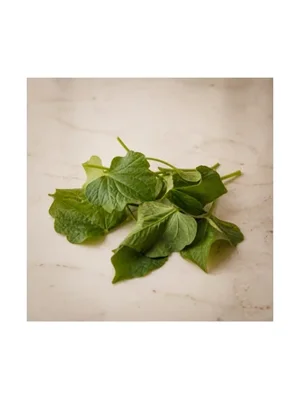 Violet Leaf
14% share of the perfume
 Cedar
8% share of the perfume
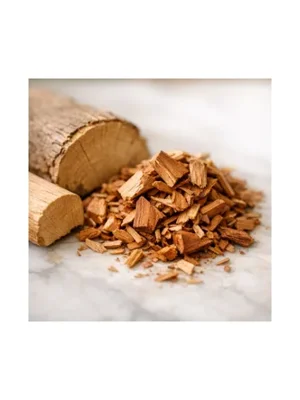 Sandalwood
8% share of the perfume
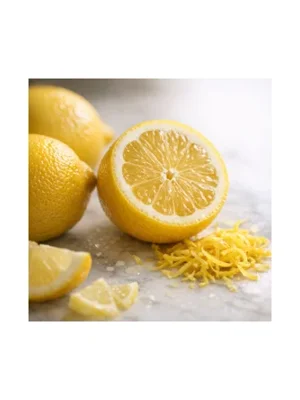 Lemon
3% share of the perfume
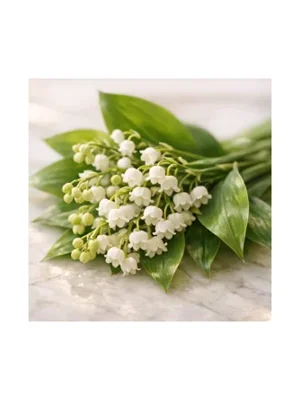 Lily of the Valley
2% share of the perfume
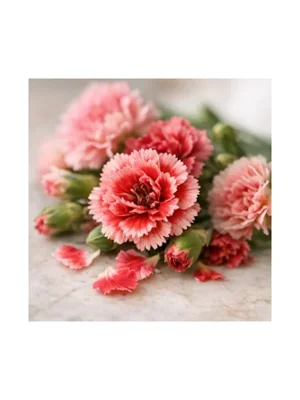 Carnation
2% share of the perfume
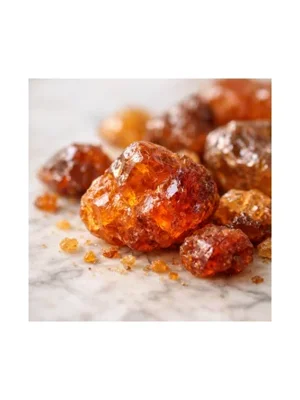
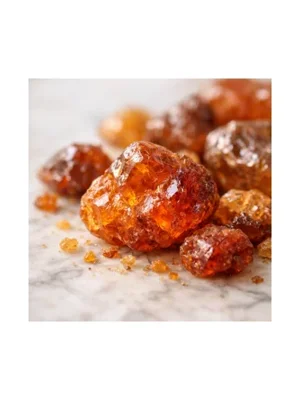 Amber
2% share of the perfume
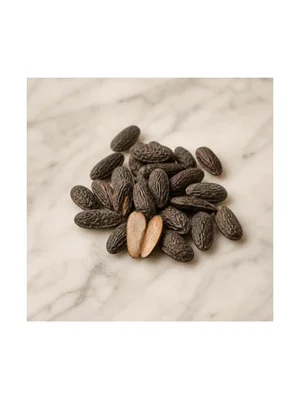 Tonka Bean
1% share of the perfume
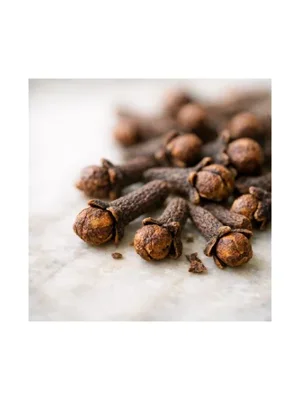
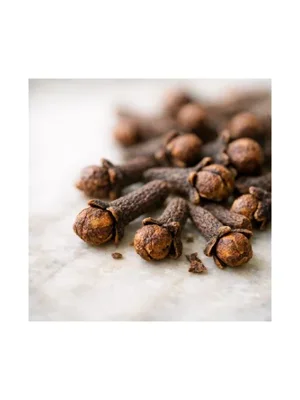 Clove
9% share of the perfume
Mandarin
9%
vs
7%
Bergamot
5%
vs
6%
Lavender
2%
vs
7%
Hawthorn
1%
vs
7%
Chamomile
0%
vs
10%
Nutmeg
6% share of the perfume
Note weights are our estimate from each note's place in the pyramid, not the share of the formula. Brands do not publish formulations.
Performance
Season and Occasion Fit
Seasons
Dry leather, vetiver, patchouli and tonka give the strongest autumn and winter association; mandarin, bergamot and violet leaf keep the profile brighter in spring.
Occasions
Citrus and violet leaf meet a dry leather-and-wood base; the balanced structure has no sharp setting-specific peak.
Seasons
A year-round scent - easy to wear in any season.
Occasions
Its moderate projection and smooth character make it suitable for various settings without being overwhelming. The elegant leather and floral accords uplift it for date nights and formal events, while its refined nature still works for casual wear.
Similarity Breakdown
Our estimate of how alike these two fragrances smell, calculated from their published notes. It is a position on our scale, not a measured percentage of shared smell.
Shares 12 of its 20 notes, including Hawthorn, Leather, Bergamot
Adds amber and carnation, drops clove
Where to buy
Pick a size. The two cheapest offers, then the rest.






Prices before sales tax, which the shop adds at checkout.
ScentVerdict earns a commission from purchases - this doesn't affect our verdicts.