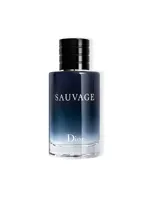

Is Milton-Lloyd True Grit a dupe of Dior Sauvage?



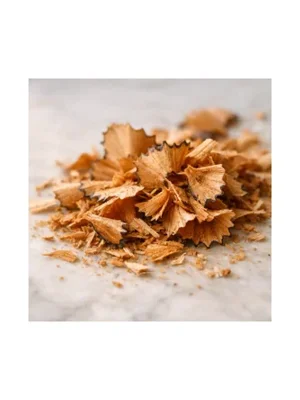

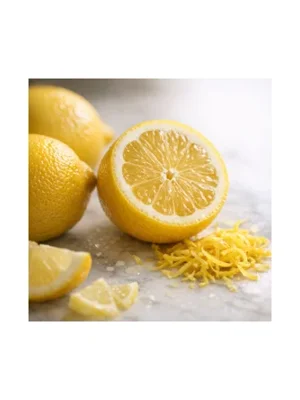


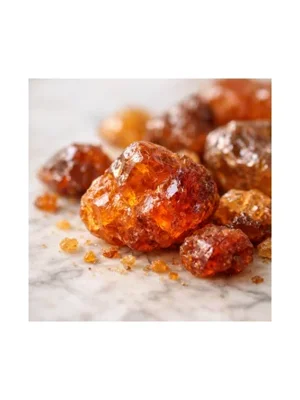
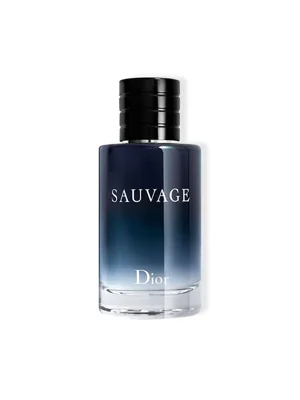 Sauvage EDT
| EDT | Concentration | EDT |
| M | Gender | M |
| 2015 | Year | - |
| $$ | Price Tier | $ |
 True Grit EDT
Sauvage is the sharper, more polished choice; True Grit is the value play for anyone chasing the same crowd-pleasing DNA at a fraction of the cost. Sauvage delivers that unmistakable ambroxan-fresh blast, with stronger projection and a more refined, premium feel. True Grit tracks the vibe closely but swaps some of that signature brightness for a slightly warmer, simpler take, one that feels less vivid and less luxurious. Sauvage wins if you want the fragrance people instantly recognise and remember. True Grit is the smarter buy if you care more about the scent profile than the prestige, and price matters most.
 →
Where they differ
Biggest gaps first. The bolder side leads.
ScentArt
How it unfolds
Notes
- Sauvage
- True Grit
- in both
Tap a note to light it in both. A+B means both have it


Which Should You Buy?
- You want the original, not a clone.
- You prefer a brighter, more vivid opening.
- You care about stronger premium polish.
- You want the most recognisable version.
- You want Sauvage-like scent for less.
- You care most about value per millilitre.
- You like a warmer, slightly simpler take.
- You want a safe, easy crowd-pleaser.
Bright bergamot and pepper give the opening a dry snap. Lavender, geranium and elemi bring an aromatic heart, while patchouli and vetiver add green depth over a woody, ambery base.
Sharp, energetic and fresh-spicy in the Sauvage mould, and it sits next to Dior Sauvage on the shelf. Lemon and coriander give the bite, while leather and amber give it staying power.
Scent Profile
How They Wear
Mood
Notes
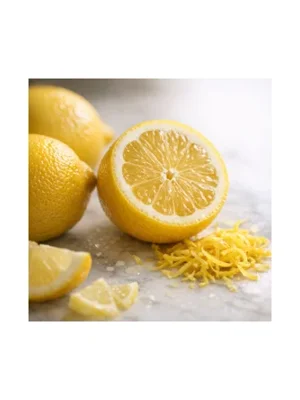
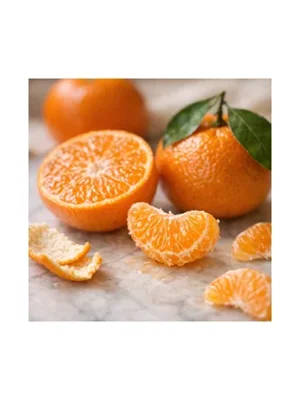
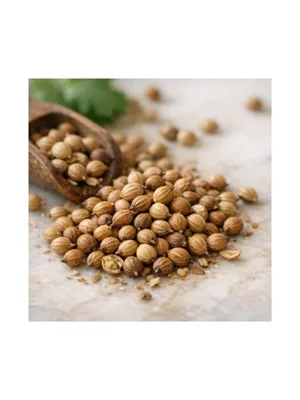
Heart Notes
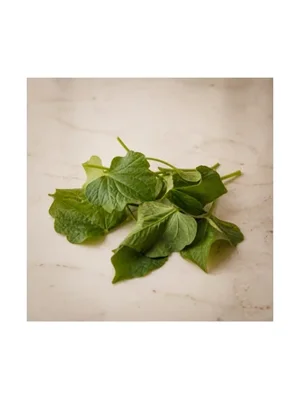
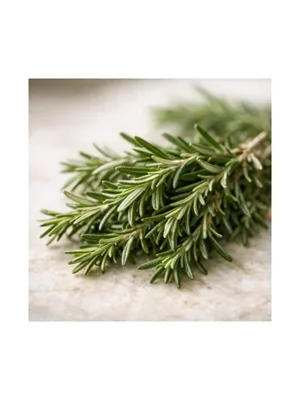
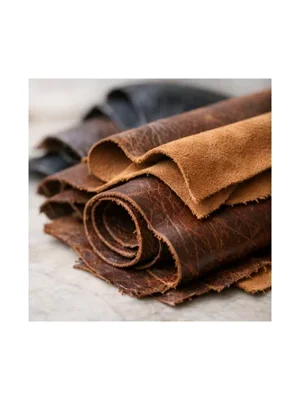
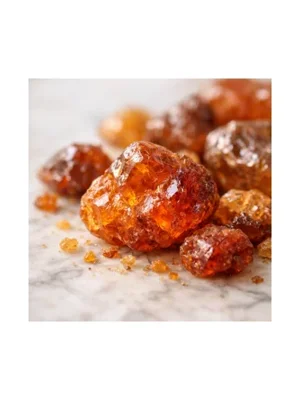
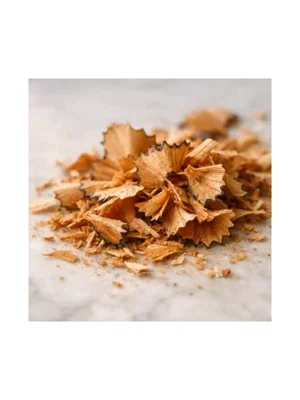 Cedar
2%
vs
13%
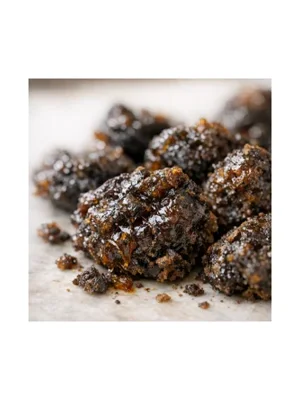 Labdanum
1%
vs
10%
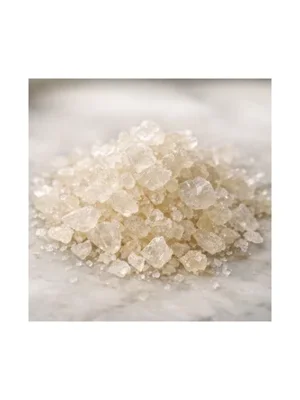 Ambroxan
19% share of the perfume
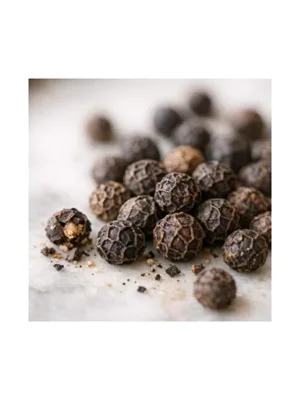 Pepper
16% share of the perfume
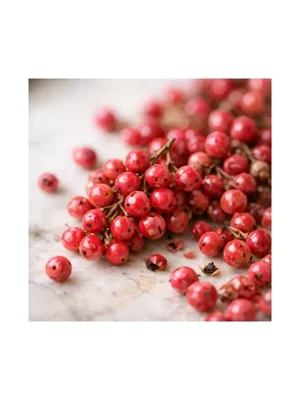 Pink Pepper
14% share of the perfume
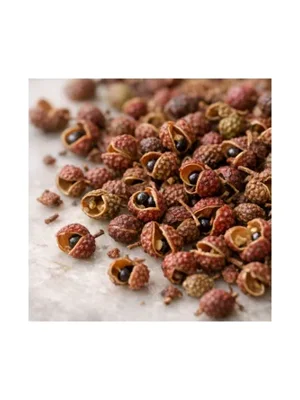 Sichuan Pepper
14% share of the perfume
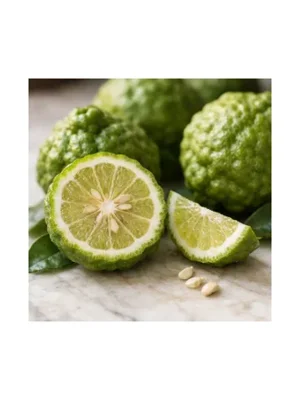 Bergamot
13% share of the perfume
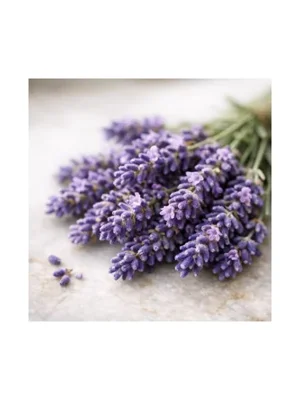 Lavender
10% share of the perfume
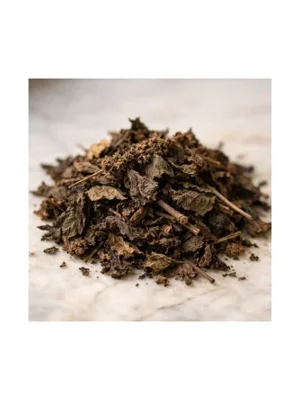 Patchouli
6% share of the perfume
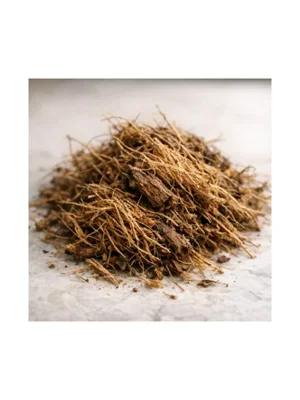 Vetiver
2% share of the perfume
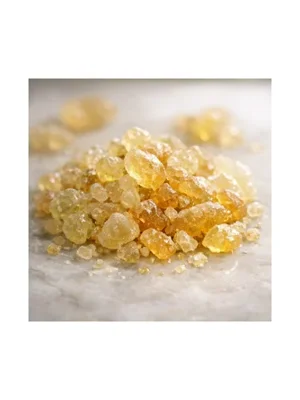 Elemi
1% share of the perfume
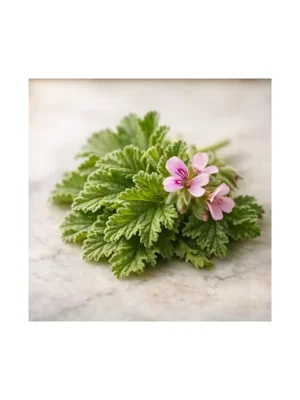 Geranium
1% share of the perfume
Note weights are our estimate from each note's place in the pyramid, not the share of the formula. Brands do not publish formulations.
Performance
Season and Occasion Fit
Seasons
Bergamot and pepper give the scent a crisp opening, while ambroxan, cedar and labdanum make the blend warmer and denser.
Occasions
Lavender and geranium balance pepper, vetiver and patchouli. The woody base keeps the scent structured and dry.
Seasons
Citrus and rosemary keep it lively in spring and summer, but the leather, amber and labdanum make winter its best season.
Occasions
Fresh, energetic and easy, it is a great everyday grab for casual days and the gym. A very strict office or a very formal event may find it a bit loud.
Similarity Breakdown
Our estimate of how alike these two fragrances smell, calculated from their published notes. It is a position on our scale, not a measured percentage of shared smell.
Shares 2 of its 12 notes, including Labdanum, Cedar
Adds ambroxan and bergamot, drops amber and coriander
Where to buy
Pick a size. The two cheapest offers, then the rest.







Other (1)
Prices before sales tax, which the shop adds at checkout.
ScentVerdict earns a commission from purchases - this doesn't affect our verdicts.