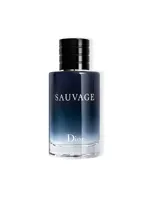

Is Zimaya Zukhruf Black a dupe of Dior Sauvage?



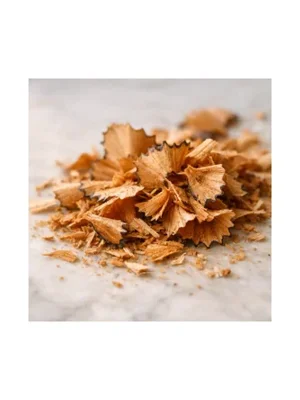


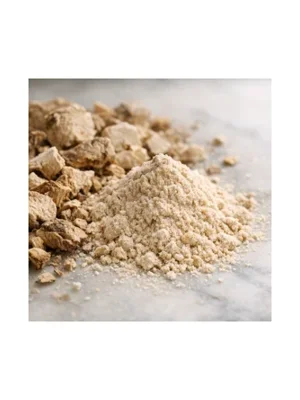


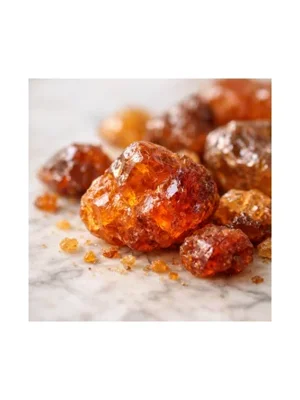
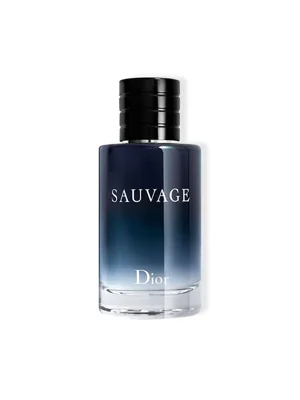 Sauvage EDT
| EDT | Concentration | EDP |
| M | Gender | M |
| 2015 | Year | 2024 |
| $$ | Price Tier | $ |
 Zukhruf Black EDP
Sauvage and Zukhruf Black share a similar DNA, but diverge in execution. Sauvage offers a refined, universally appealing freshness, making it ideal for daily wear. Zukhruf Black, however, amplifies the spicy and amber notes, resulting in a much bolder and potentially overwhelming experience. Sauvage is the choice for those seeking a versatile and mass-appealing scent, while Zukhruf Black caters to those craving a louder, more challenging fragrance at a budget price. Longevity is better with Zukhruf Black, but some find it cloying.
 →
Where they differ
Biggest gaps first. The bolder side leads.
ScentArt
How it unfolds
Notes
- Sauvage
- Zukhruf Black
- in both
Tap a note to light it in both. A+B means both have it


Which Should You Buy?
- You prefer a more versatile and mass-appealing fragrance.
- You want a fresher, less intense scent profile.
- You want a higher quality, more refined composition.
- You want a safer, more office-friendly fragrance.
- You want a very strong, long-lasting scent.
- You want a bolder, more challenging fragrance.
- You are on a budget and want a Sauvage Elixir alternative.
- You enjoy very sweet and spicy amber fragrances.
Bergamot and pepper crash into lavender and geranium, then ambroxan, cedar and labdanum. The loud, bright, peppery Sauvage, built to be noticed on warm days.
Hot nutmeg, cinnamon and coffee shout first, then a dark licorice and amber base takes over. Loud, sweet and spicy, built for cold nights. A spray or two goes a long way.
Scent Profile
How They Wear
Mood
Notes
Heart Notes
Heart Notes
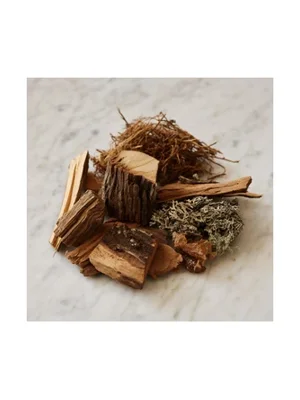 Woody Notes
14% share of the perfume
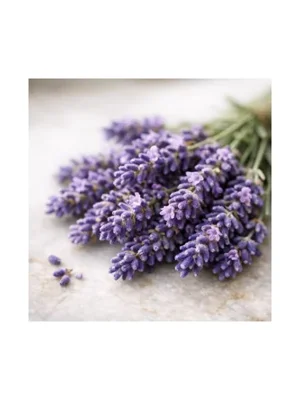 Lavender
11% share of the perfume
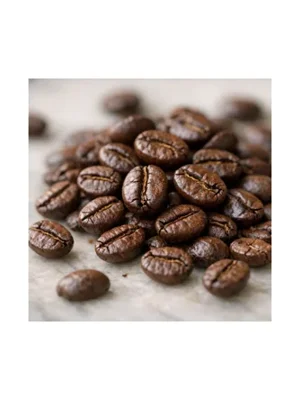 Coffee
1% share of the perfume
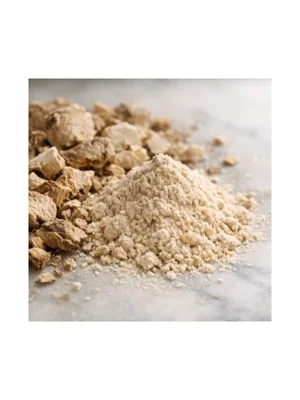 Iris
1% share of the perfume
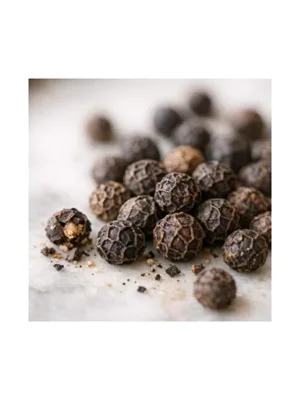 Pepper
15%
vs
4%
Lavender
10%
vs
10%
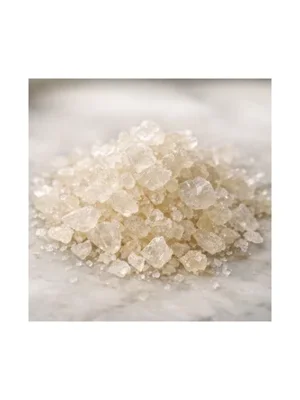 Ambroxan
19% share of the perfume
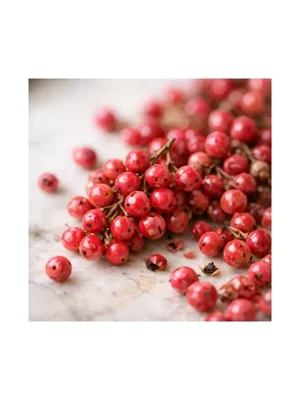 Pink Pepper
14% share of the perfume
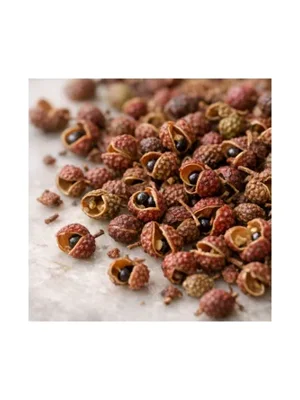 Sichuan Pepper
14% share of the perfume
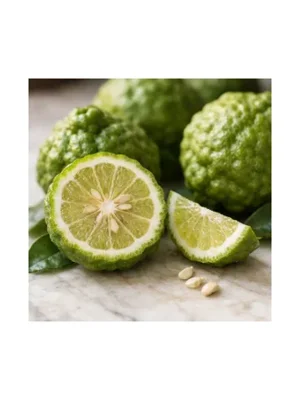 Bergamot
13% share of the perfume
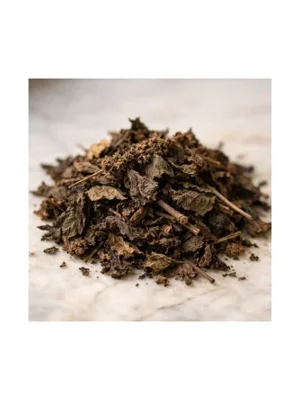 Patchouli
6% share of the perfume
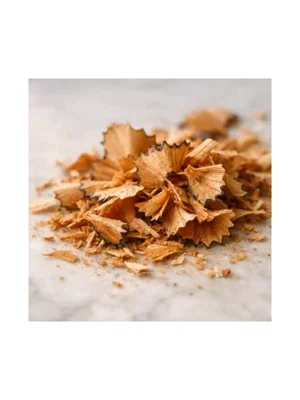 Cedar
3% share of the perfume
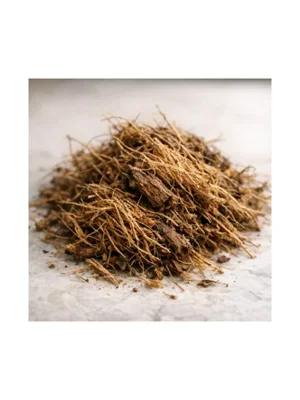 Vetiver
2% share of the perfume
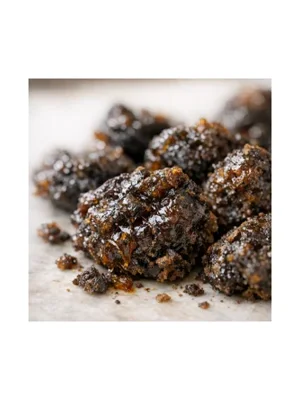 Labdanum
1% share of the perfume
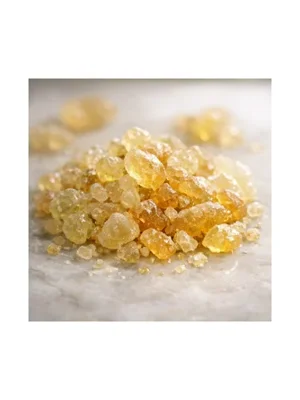 Elemi
1% share of the perfume
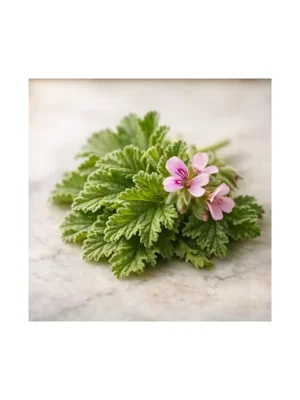 Geranium
1% share of the perfume
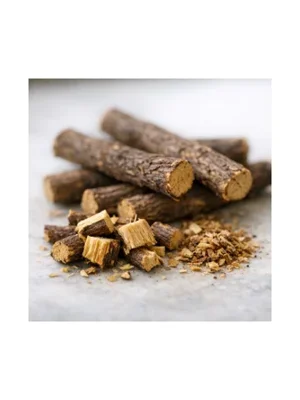 Licorice
17% share of the perfume
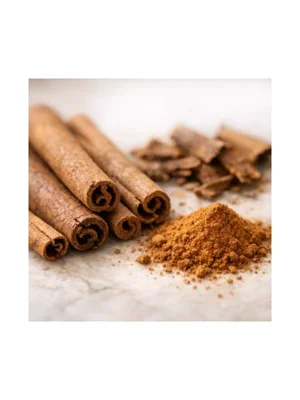 Cinnamon
15% share of the perfume
Woody Notes
14% share of the perfume
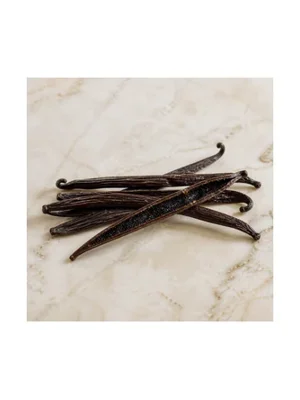 Vanilla
11% share of the perfume
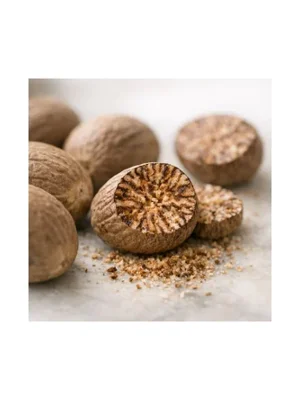 Nutmeg
9% share of the perfume
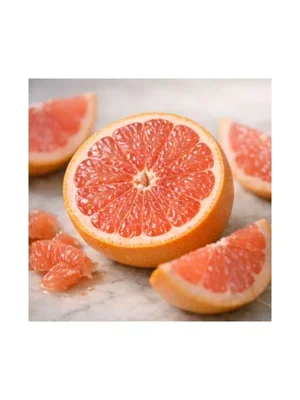 Grapefruit
9% share of the perfume
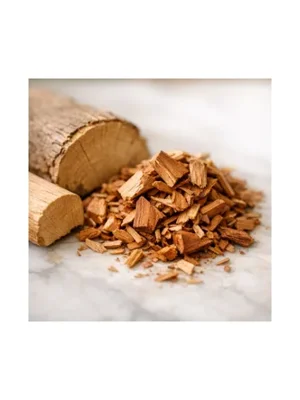 Sandalwood
4% share of the perfume
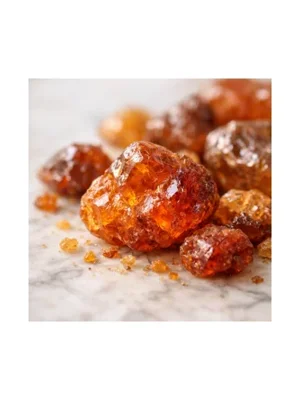 Amber
2% share of the perfume
Coffee
1% share of the perfume
Iris
1% share of the perfume
Lavender
10%
vs
10%
Pink Pepper
14% share of the perfume
Sichuan Pepper
14% share of the perfume
Patchouli
6% share of the perfume
Vetiver
2% share of the perfume
Elemi
1% share of the perfume
Geranium
1% share of the perfume
Woody Notes
14% share of the perfume
Coffee
1% share of the perfume
Iris
1% share of the perfume
Note weights are our estimate from each note's place in the pyramid, not the share of the formula. Brands do not publish formulations.
Performance
Season and Occasion Fit
Seasons
Bright bergamot and pepper are best in spring and summer, and the woody amber base gives enough warmth for autumn. It feels sharp in the depths of winter.
Occasions
Strong and fresh, it is superb for casual days, outdoor time and sport. It can be bold for a close office, but it works for dates and informal evenings.
Seasons
Cinnamon, coffee and vanilla amber belong to autumn and winter. In summer heat it turns heavy fast.
Occasions
Strong enough to be too much for the office. It does best on dates and evenings out, and works for casual wear when the weather is cold.
Similarity Breakdown
Our estimate of how alike these two fragrances smell, calculated from their published notes. It is a position on our scale, not a measured percentage of shared smell.
Shares 2 of its 12 notes, including Pepper, Lavender
Adds amber and cinnamon, drops ambroxan and bergamot
Where to buy
Pick a size. The two cheapest offers, then the rest.





Prices before sales tax, which the shop adds at checkout.
ScentVerdict earns a commission from purchases - this doesn't affect our verdicts.