
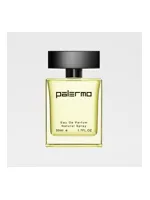
Is Palermo Perfumes Heritage a dupe of Guerlain Heritage?








 Heritage EDP
| EDP | Concentration | EDP |
| M | Gender | M |
| 1992 | Year | - |
| $$$$ | Price Tier | $ |
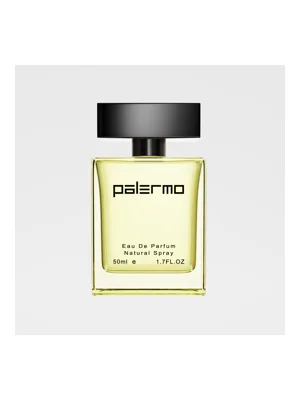 Heritage EDP

Where they differ
Biggest gaps first. The bolder side leads.
ScentArt
How it unfolds
Notes
- Heritage
- Heritage
- in both
Tap a note to light it in both. A+B means both have it


Which Should You Buy?
An old-school, velvety aromatic with heritage, strong and dressy. Lavender, juniper and aldehydes start it fresh, rose and patchouli follow, and oakmoss, sandalwood and amber hold the base.
Green citrus and aromatic herbs open a layered scent before spice, flowers and patchouli give way to amber, moss and woods.
Scent Profile
How They Wear
Mood
Notes
Top Notes
Top Notes
Heart Notes
 Patchouli
9% share of the perfume
 Pepper
5% share of the perfume
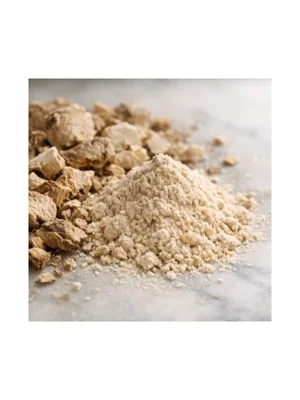 Iris
4% share of the perfume
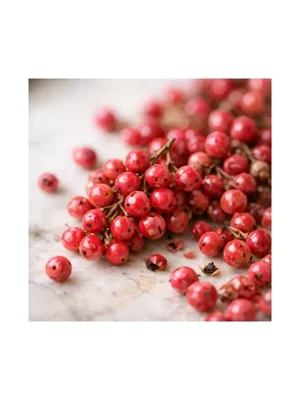 Pink Pepper
4% share of the perfume
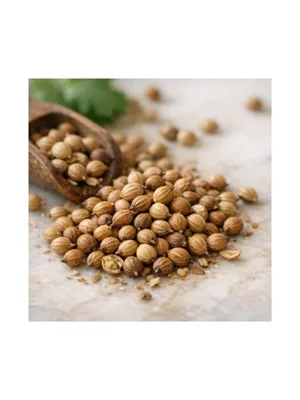 Coriander
3% share of the perfume
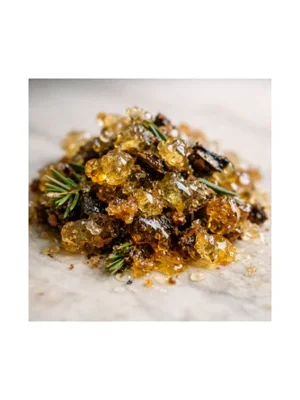 Canadian Fir Balsam
3% share of the perfume
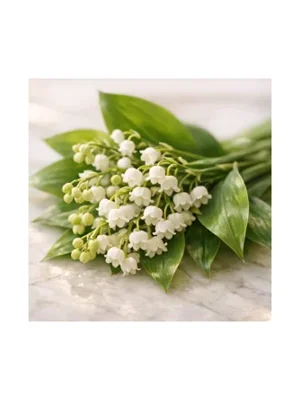 Lily of the Valley
3% share of the perfume
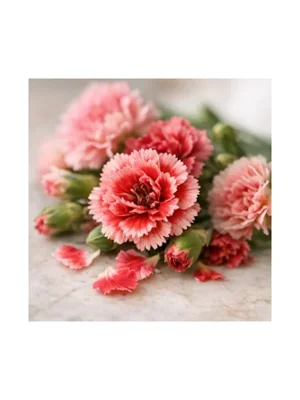 Carnation
2% share of the perfume
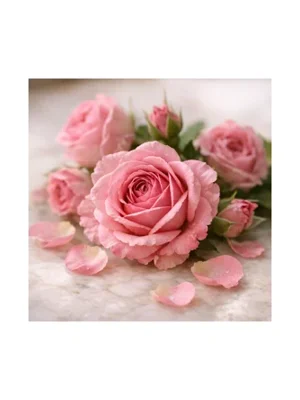 Rose
2% share of the perfume
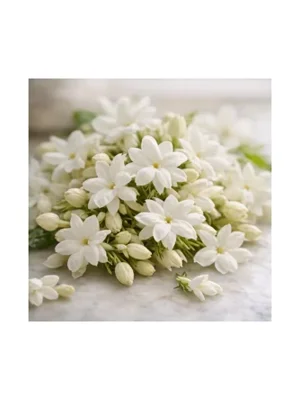 Jasmine
2% share of the perfume
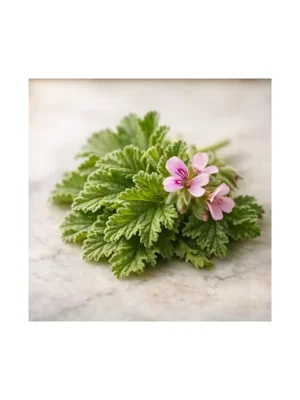 Geranium
1% share of the perfume
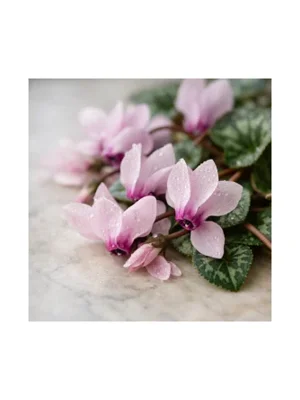 Cyclamen
1% share of the perfume
Heart Notes
Patchouli
5% share of the perfume
Carnation
5% share of the perfume
Canadian Fir Balsam
4% share of the perfume
Iris
4% share of the perfume
Coriander
4% share of the perfume
Pepper
4% share of the perfume
Pink Pepper
3% share of the perfume
Rose
3% share of the perfume
Geranium
3% share of the perfume
Jasmine
3% share of the perfume
Cyclamen
2% share of the perfume
Lily of the Valley
2% share of the perfume
Base Notes
Patchouli
9%
vs
4%
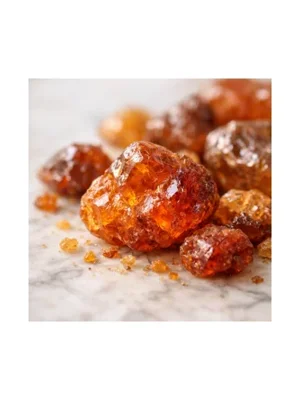 Amber
8%
vs
4%
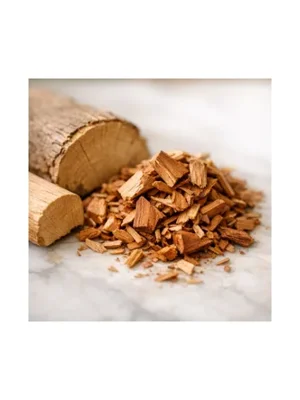 Sandalwood
8%
vs
4%
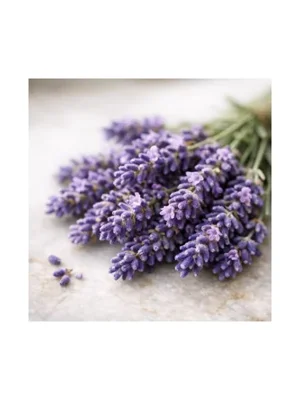 Lavender
7%
vs
4%
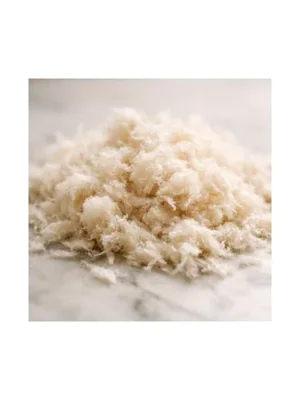 Musk
6%
vs
4%
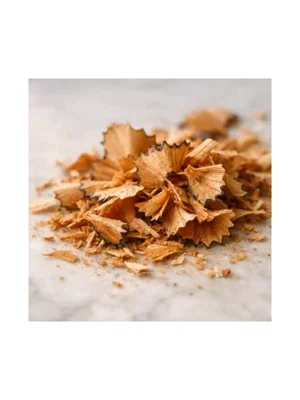 Cedar
5%
vs
3%
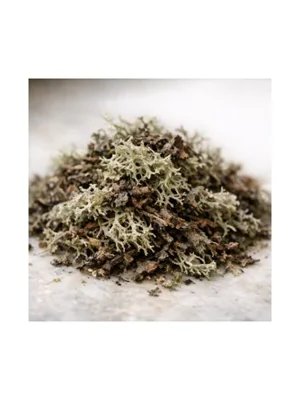 Oakmoss
4%
vs
4%
Pepper
4%
vs
3%
Iris
4%
vs
4%
Pink Pepper
3%
vs
3%
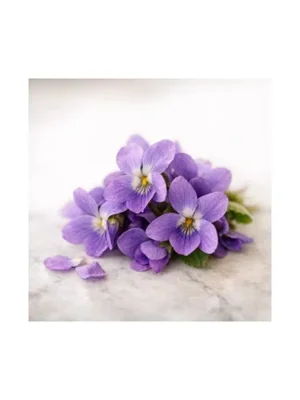 Violet
3%
vs
3%
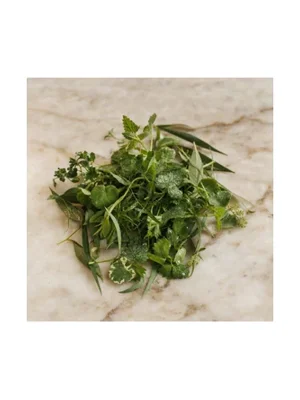 Green Notes
3%
vs
3%
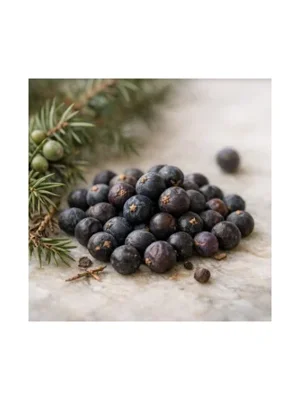 Juniper
3%
vs
4%
Coriander
3%
vs
3%
Canadian Fir Balsam
3%
vs
4%
Lily of the Valley
2%
vs
2%
 Aldehydes
2%
vs
4%
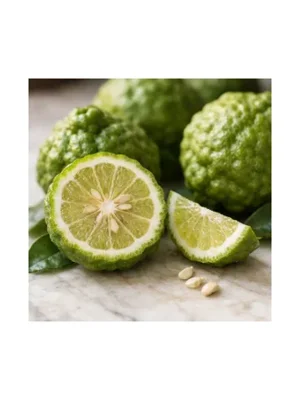 Bergamot
2%
vs
3%
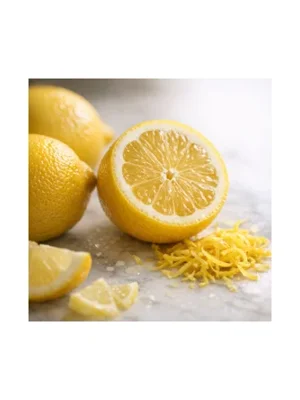 Lemon
2%
vs
3%
Carnation
2%
vs
4%
Rose
2%
vs
3%
Jasmine
2%
vs
2%
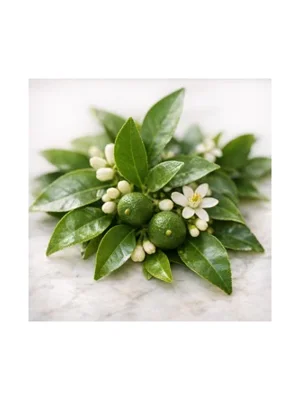 Petitgrain
1%
vs
3%
Geranium
1%
vs
3%
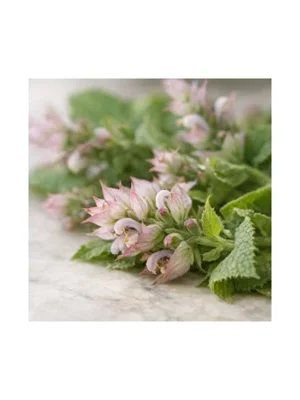 Clary Sage
0%
vs
4%
Cyclamen
0%
vs
2%
Lavender
7%
vs
4%
Violet
3%
vs
3%
Green Notes
3%
vs
3%
Juniper
3%
vs
4%
Aldehydes
2%
vs
4%
Bergamot
2%
vs
3%
Lemon
2%
vs
3%
Petitgrain
1%
vs
3%
Clary Sage
0%
vs
4%
Patchouli
9%
vs
4%
Pepper
4%
vs
3%
Iris
4%
vs
4%
Pink Pepper
3%
vs
3%
Coriander
3%
vs
3%
Canadian Fir Balsam
3%
vs
4%
Lily of the Valley
2%
vs
2%
Carnation
2%
vs
4%
Rose
2%
vs
3%
Jasmine
2%
vs
2%
Geranium
1%
vs
3%
Cyclamen
0%
vs
2%
Note weights are our estimate from each note's place in the pyramid, not the share of the formula. Brands do not publish formulations.
Performance
Season and Occasion Fit
Seasons
Oakmoss, amber and orris work best in autumn and winter, and spring is a fair option. It is too heavy for summer.
Occasions
Its polished, traditional character fits formal events and dates. It is also fine at the office with a light hand, but not for casual days or sport.
Seasons
An aromatic opening suits mild weather, while the woody base is more comfortable in cooler conditions than in strong heat.
Occasions
A composed aromatic profile that can suit everyday and office wear, with its weight making sport a weaker fit.
Similarity Breakdown
Our estimate of how alike these two fragrances smell, calculated from their published notes. It is a position on our scale, not a measured percentage of shared smell.
Every one of its 26 notes is in the original, including Canadian Fir Balsam, Green Notes, Bergamot
Near-identical note list, differs in proportion
Where to buy
Pick a size. The two cheapest offers, then the rest.

Prices before sales tax, which the shop adds at checkout.
ScentVerdict earns a commission from purchases - this doesn't affect our verdicts.