

Is Lattafa Nasheet a dupe of Nishane Ani?







 Ani Extrait
| Extrait | Concentration | EDP |
| U | Gender | U |
| 2019 | Year | 2023 |
| $$ | Price Tier | $ |
 Nasheet EDP
While both aim for a warm, spicy, and woody profile, Nishane's Ani justifies its mid-tier price with superior quality. Lattafa's Nasheet, a budget-friendly alternative, can be inconsistent. The key difference lies in the blend's execution. Ani boasts a smoother, richer vanilla, while Nasheet risks a synthetic edge. If you prioritize a refined, long-lasting experience and are willing to invest, Ani is the clear winner. However, if you're on a tight budget and willing to gamble on batch variations, Nasheet might scratch the itch.
 →
Where they differ
Biggest gaps first. The bolder side leads.
ScentArt
How it unfolds
Notes
- Ani
- Nasheet
- in both
Tap a note to light it in both. A+B means both have it


Which Should You Buy?
- You want a high-quality, long-lasting vanilla scent.
- You appreciate a smoother, more refined fragrance.
- You prefer investing in a guaranteed experience.
- You want a versatile scent for all occasions.
- You're on a very tight budget.
- You're willing to risk inconsistencies for a deal.
- You want to test the profile before committing to Ani.
- You like a bolder, spicier opening.
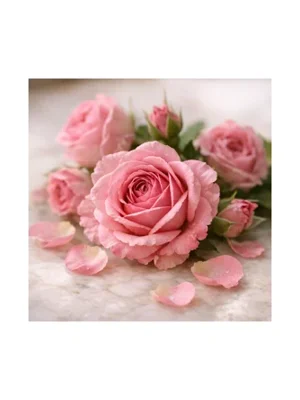
Ginger and bergamot open into cardamom, rose and blackcurrant, then a deep vanilla with benzoin and sandalwood. A rich, spiced vanilla with outstanding staying power for cold evenings.
Lattafa Nasheet is a divisive beast. For some, it's a stellar, budget-friendly clone of Nishane Ani, offering spicy, woody warmth. For others, it's a weak, synthetic mess that fails to deliver. Mileage varies wildly, so approach with caution.
Scent Profile
How They Wear
Mood
Notes
Top Notes
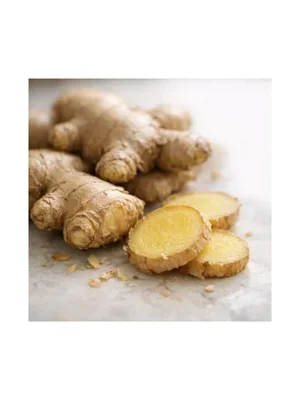 Ginger
13% share of the perfume
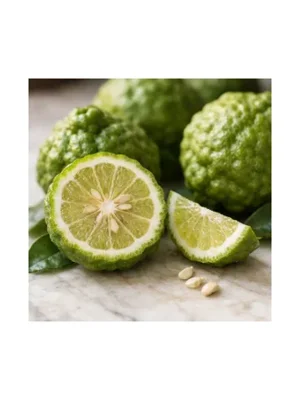 Bergamot
10% share of the perfume
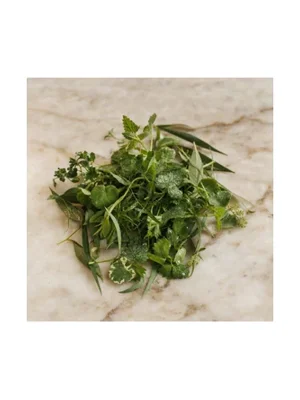 Green Notes
9% share of the perfume
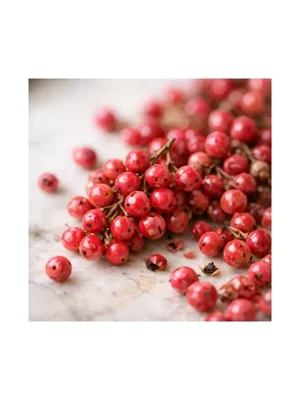 Pink Pepper
5% share of the perfume
Top Notes
Heart Notes
Heart Notes
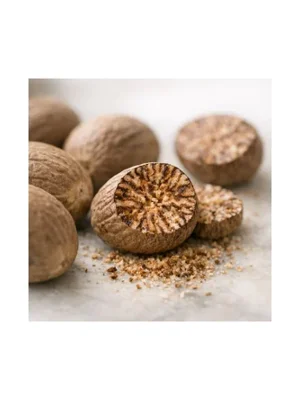
Base Notes
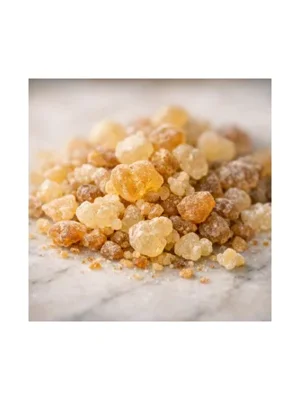
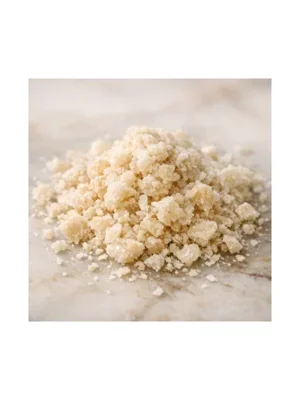
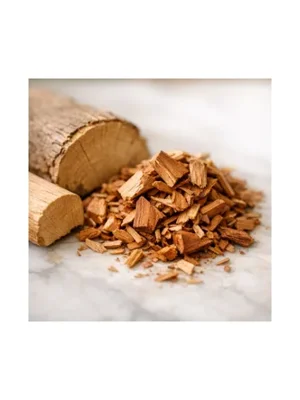 Sandalwood
7%
vs
20%
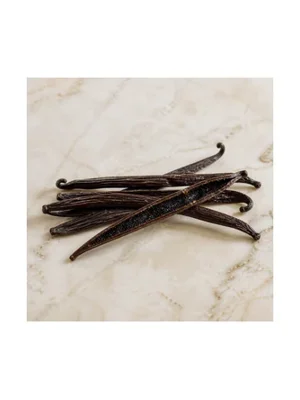 Vanilla
18% share of the perfume
Ginger
13% share of the perfume
Bergamot
10% share of the perfume
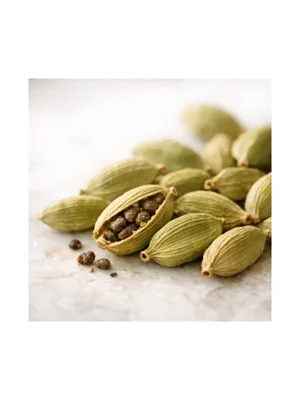 Cardamom
10% share of the perfume
Green Notes
9% share of the perfume
 Cedar
8% share of the perfume
 Patchouli
7% share of the perfume
 Rose
6% share of the perfume
Pink Pepper
5% share of the perfume
 Benzoin
2% share of the perfume
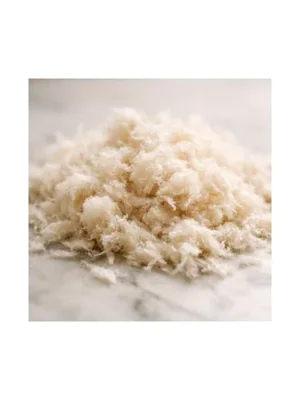 Musk
2% share of the perfume
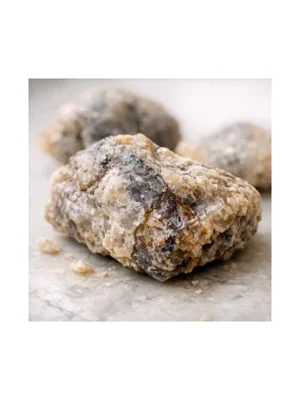 Ambergris
1% share of the perfume
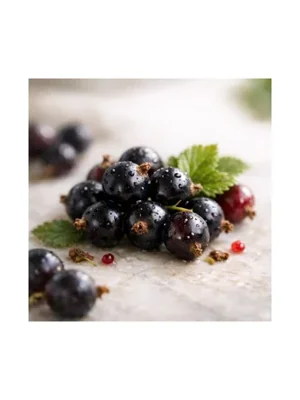 Blackcurrant
1% share of the perfume
Ginger
13% share of the perfume
Bergamot
10% share of the perfume
Green Notes
9% share of the perfume
Pink Pepper
5% share of the perfume
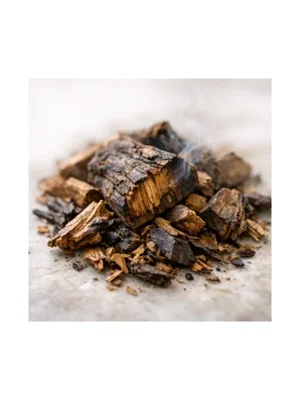 Guaiac Wood
10% share of the perfume
Sandalwood
7%
vs
20%
Note weights are our estimate from each note's place in the pyramid, not the share of the formula. Brands do not publish formulations.
Performance
Season and Occasion Fit
Seasons
Vanilla, benzoin and spice make autumn and winter the natural fit, with spring a possible extra. Summer heat would make it overwhelming.
Occasions
Dates and evenings out suit its richness, and it has the polish for formal events. The office is a squeeze for something this strong.
Seasons
A year-round scent - easy to wear in any season.
Occasions
Its moderate to intimate projection on many wears and warm, sweet-spicy profile make it less ideal for a strict office environment or active sports. It shines brightest in more intimate settings, dates, or casual outings, especially during cooler weather. The luxurious feel also suits some formal events, provided the projection isn't overwhelming.
Similarity Breakdown
Our estimate of how alike these two fragrances smell, calculated from their published notes. It is a position on our scale, not a measured percentage of shared smell.
Shares 1 of its 14 notes, including Sandalwood
Adds ambergris and benzoin, drops cashmeran and frankincense
Where to buy
Pick a size. The two cheapest offers, then the rest.




Prices before sales tax, which the shop adds at checkout.
ScentVerdict earns a commission from purchases - this doesn't affect our verdicts.