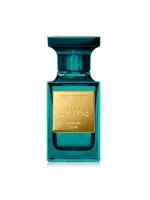

Is Maison Alhambra Pacific Blue a dupe of Tom Ford Neroli Portofino?



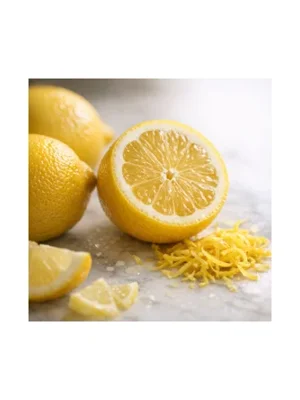


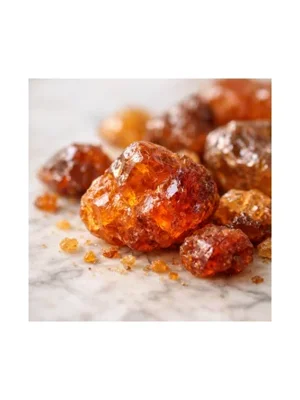


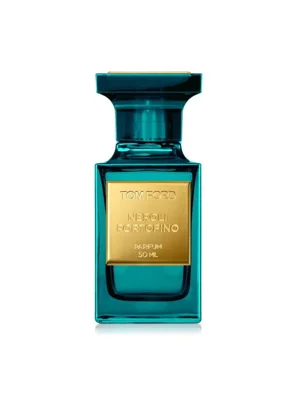 Neroli Portofino EDP
| EDP | Concentration | EDP |
| U | Gender | U |
| 2011 | Year | 2025 |
| £££££ | Price Tier | £ |
 Pacific Blue EDP
While both fragrances aim for a similar fresh, citrus-driven profile, Neroli Portofino distinguishes itself with a smoother, more refined composition, justifying its luxury price tag. Pacific Blue, on the other hand, offers an aggressively zesty and much more affordable alternative, though its bolder, less nuanced character may not appeal to everyone. The key difference lies in the quality and balance of ingredients; Neroli Portofino whispers elegance, while Pacific Blue shouts affordability.
 →
Where they differ
Biggest gaps first. The bolder side leads.
ScentArt
How it unfolds
Notes
- Neroli Portofino
- Pacific Blue
- in both
Tap a note to light it in both. A+B means both have it
Which Should You Buy?
- You prefer a natural, refined citrus scent.
- You want a fragrance with high-quality ingredients.
- You appreciate a more subtle and elegant composition.
- You want a versatile fragrance for any occasion.
- You want a very affordable summer fragrance.
- You like a bold and zesty citrus scent.
- You don't mind a less nuanced fragrance profile.
- You want a fragrance that makes a strong statement.
Neroli Portofino is a classic summer fragrance that divides opinion. Some appreciate its Mediterranean freshness, others balk at the high price relative to its fleeting performance. It's an aromatic ode to a seaside holiday with invigorating citrus notes, yet struggles to justify its cost for many due to weak longevity.
This budget-friendly freshie is a wildly divisive summer scent. It's either a zesty, clean, sun-kissed sensation or a straight-up blast of lemon floor cleaner. You'll either love its cheerful energy or bin it after one sniff.
Scent Profile
How They Wear
Mood
Notes
Top Notes
Heart Notes
Heart Notes
Base Notes
Base Notes
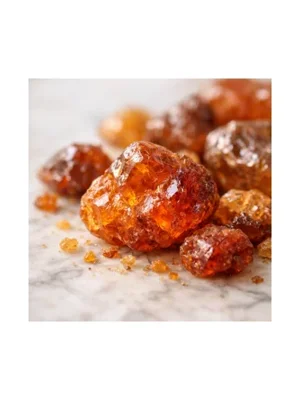 Amber
34%
vs
34%
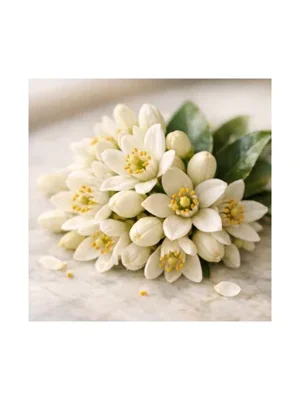 Orange Blossom
33%
vs
29%
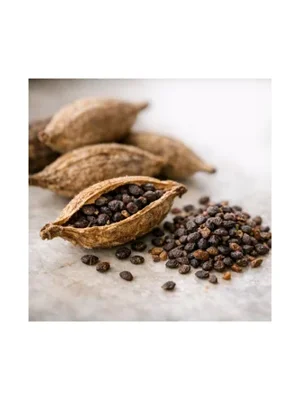 Ambrette
32%
vs
31%
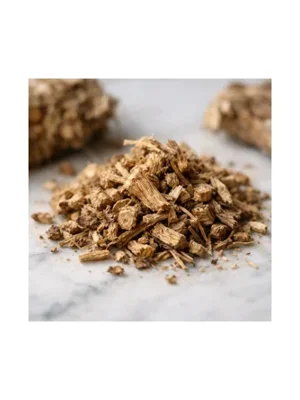 Angelica
32%
vs
34%
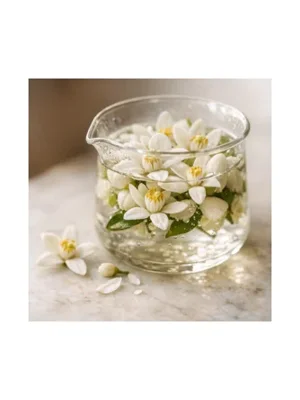 Neroli
30%
vs
41%
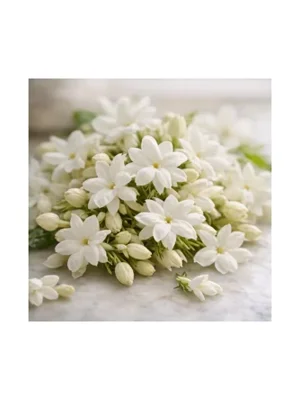 Jasmine
19%
vs
29%
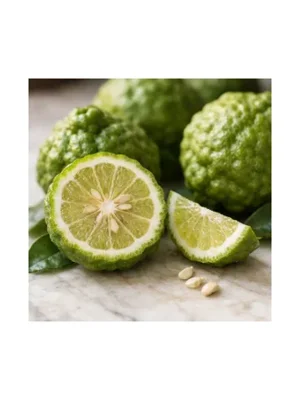 Bergamot
19%
vs
15%
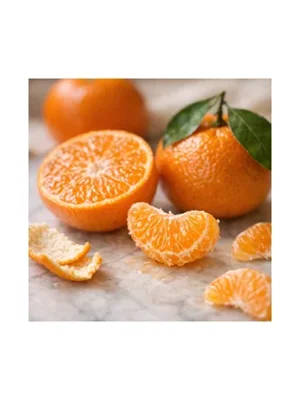 Mandarin
15%
vs
15%
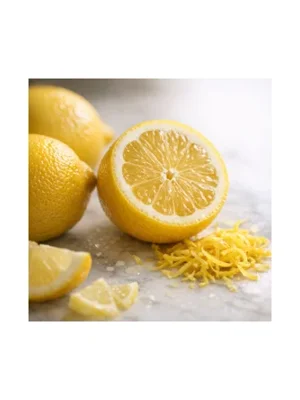 Lemon
14%
vs
19%
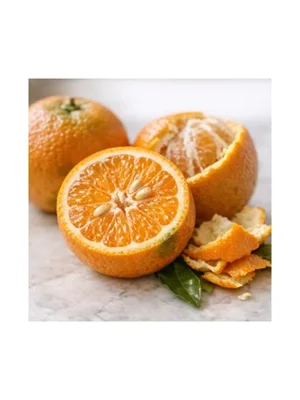 Bitter Orange
14%
vs
13%
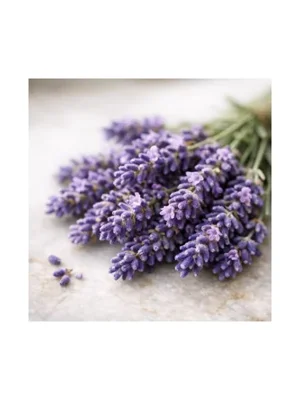 Lavender
12%
vs
11%
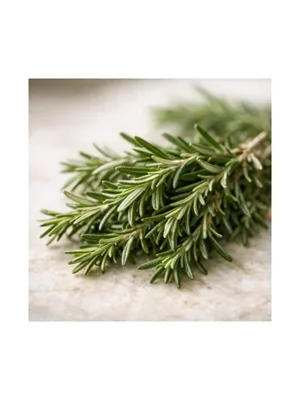 Rosemary
11%
vs
12%
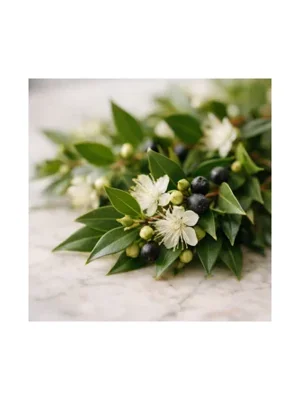 Myrtle
11%
vs
11%
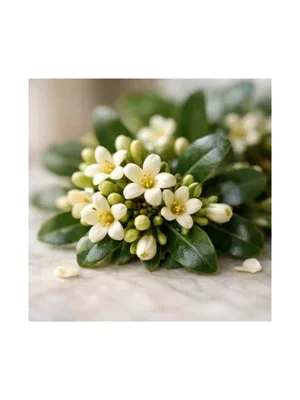 Pittosporum
17%
Bergamot
19%
vs
15%
Mandarin
15%
vs
15%
Lemon
14%
vs
19%
Bitter Orange
14%
vs
13%
Lavender
12%
vs
11%
Rosemary
11%
vs
12%
Myrtle
11%
vs
11%
Orange Blossom
33%
vs
29%
Neroli
30%
vs
41%
Jasmine
19%
vs
29%
Pittosporum
17%
Note weights are our estimate from each note's place in the pyramid, not the share of the formula. Brands do not publish formulations.
Performance
Season and Occasion Fit
Seasons
A warm-weather pick - at its best in summer and spring.
Occasions
The fresh citrus and floral notes and moderate performance make it suitable for casual wear and daytime dates, offering an elegant but not overly formal aura. Its short-lived sillage and moderate longevity mean it might lack the impact needed for formal occasions or sports.
Seasons
A warm-weather pick - at its best in summer and spring.
Occasions
Its fresh, clean character and moderate projection make it ideal for casual wear, office environments, and sports. While it might be too light for formal events, some reviews noted its pleasant aroma for dates, though it's not a strong performer.
Similarity Breakdown
Our estimate of how alike these two fragrances smell, calculated from their published notes. It is a position on our scale, not a measured percentage of shared smell.
Every one of its 13 notes is in the original, including Jasmine, Lavender, Rosemary
Without pittosporum
Where to buy
Pick a size. The two cheapest offers, then the rest.






Prices before sales tax, which the shop adds at checkout.
ScentVerdict earns a commission from purchases - this doesn't affect our verdicts.