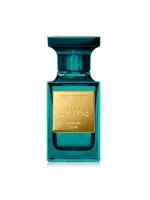

Is Orientica Wild Neroli a dupe of Tom Ford Neroli Portofino?

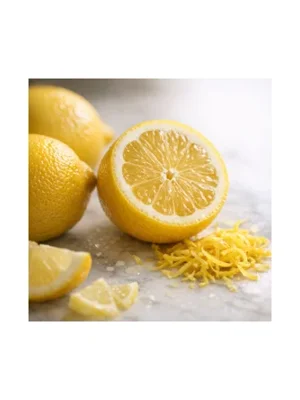


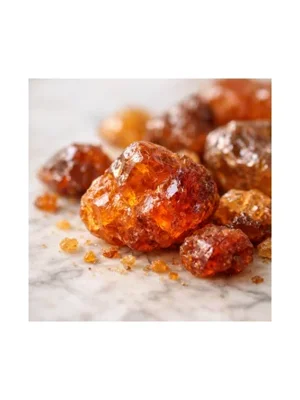


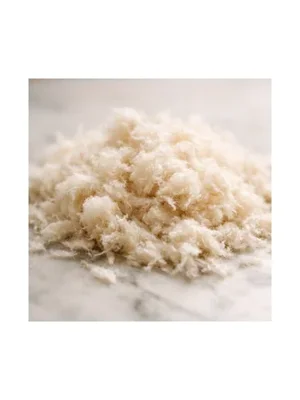
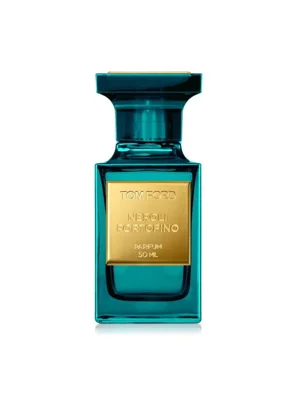 Neroli Portofino EDP
| EDP | Concentration | EDP |
| U | Gender | M |
| 2011 | Year | 2021 |
| $$$$$ | Price Tier | $$ |
 Wild Neroli EDP
While both fragrances showcase neroli, the experience differs significantly. Tom Ford's Neroli Portofino offers a refined, sun-kissed subtlety, embodying effortless luxury. Orientica's Wild Neroli, in contrast, is a bold, intense take on the note. The key difference lies in the overall impact: Portofino whispers of the Riviera, while Wild Neroli shouts. The choice hinges on your preference for understated elegance versus a powerful, attention-grabbing statement, and of course, your budget.
 →
Where they differ
Biggest gaps first. The bolder side leads.
ScentArt
How it unfolds
Notes
- Neroli Portofino
- Wild Neroli
- in both
Tap a note to light it in both. A+B means both have it


Which Should You Buy?
- You want a refined, classic neroli scent.
- You prefer subtle, sophisticated fragrances.
- You appreciate high-quality ingredients and blending.
- You enjoy scents that evoke a Mediterranean vibe.
- You want a bold, long-lasting neroli fragrance.
- You are looking for an affordable alternative.
- You enjoy fragrances with a strong projection.
- You like unique and intense interpretations of notes.
Mandarin, lemon and bitter orange with herbs, then neroli and orange flower, ending on amber and ambrette. A classic Mediterranean cologne feel, bright and clean, aimed at hot days.
Anything but shy. A potent Mediterranean citrus-floral where lemon and petitgrain sparkle, neroli and orange blossom turn dense, and amber and cedar sit quietly below. On some skin it goes soapy.
Scent Profile
How They Wear
Mood
Notes
Top Notes
Heart Notes
 Neroli
18% share of the perfume
 Orange Blossom
15% share of the perfume
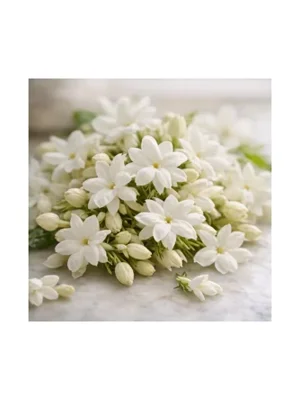 Jasmine
9% share of the perfume
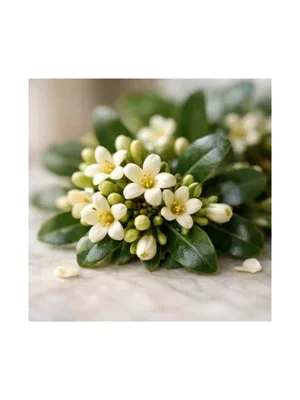 Pittosporum
1% share of the perfume
Base Notes
 Neroli
18%
vs
29%
Orange Blossom
14%
vs
23%
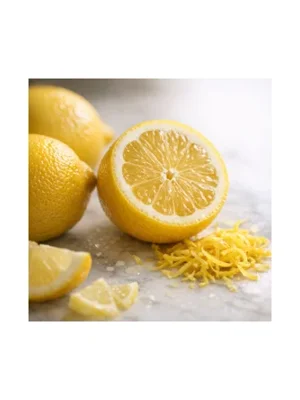 Lemon
12%
vs
19%
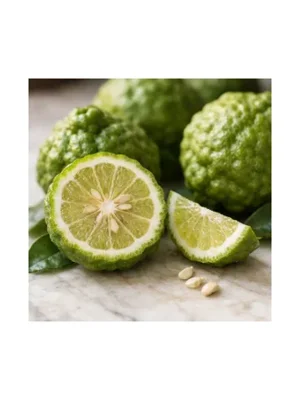 Bergamot
11%
vs
7%
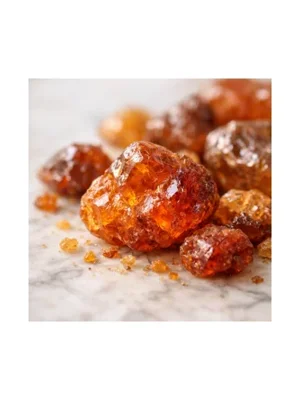 Amber
6%
vs
12%
Jasmine
9% share of the perfume
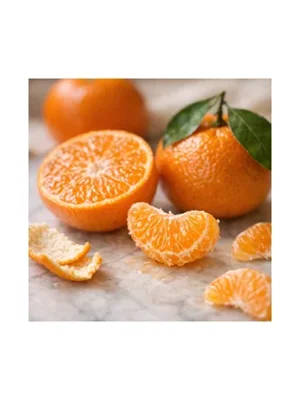 Mandarin
8% share of the perfume
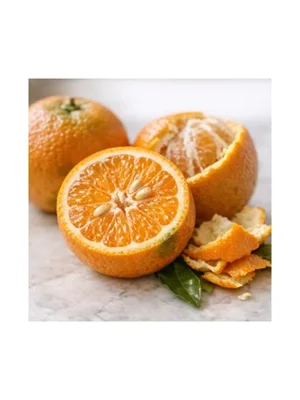 Bitter Orange
7% share of the perfume
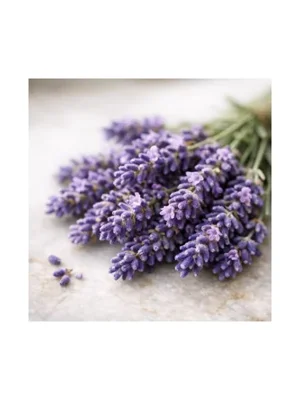 Lavender
6% share of the perfume
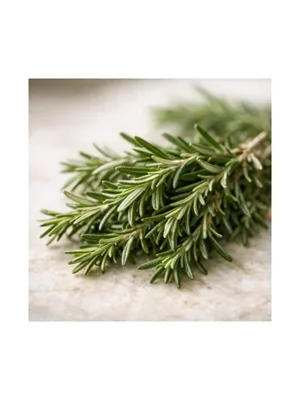 Rosemary
2% share of the perfume
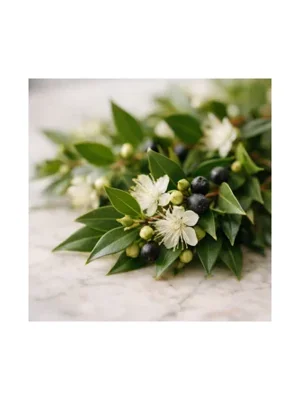 Myrtle
1% share of the perfume
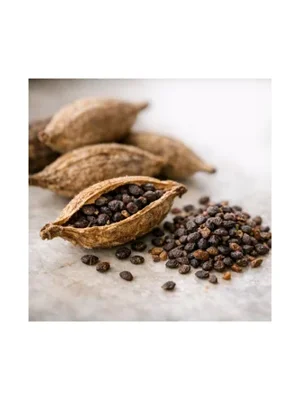 Ambrette
1% share of the perfume
Pittosporum
1% share of the perfume
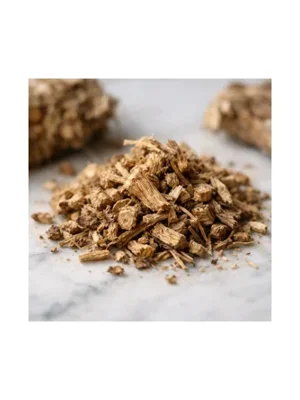 Angelica
1% share of the perfume
Lemon
12%
vs
19%
Bergamot
11%
vs
7%
Mandarin
8% share of the perfume
Bitter Orange
7% share of the perfume
Lavender
6% share of the perfume
Rosemary
2% share of the perfume
Myrtle
1% share of the perfume
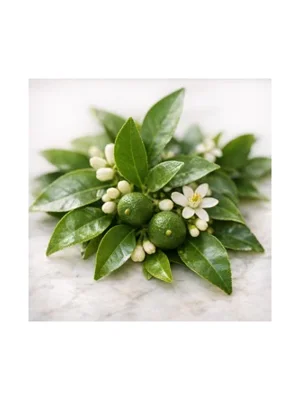 Petitgrain
3% share of the perfume
Note weights are our estimate from each note's place in the pyramid, not the share of the formula. Brands do not publish formulations.
Performance
Season and Occasion Fit
Seasons
Citrus, neroli and herbs are warm-weather material: summer first, spring second. It is too light for autumn and winter.
Occasions
Easy for holidays, casual days and warm evenings, with enough polish for a light evening out. It is too light to carry a formal event.
Seasons
Lemon, petitgrain and neroli are fresh and bright, so summer and spring suit it best, though the amber base lets it work in a cool autumn.
Occasions
Potent and fresh, it is excellent for casual wear and sport. It could be too much for a conservative office or an intimate formal setting.
Similarity Breakdown
Our estimate of how alike these two fragrances smell, calculated from their published notes. It is a position on our scale, not a measured percentage of shared smell.
Shares 5 of its 8 notes, including Neroli, Bergamot, Amber
Adds cedar and musk, drops ambrette and angelica
Where to buy
Pick a size. The two cheapest offers, then the rest.




Prices before sales tax, which the shop adds at checkout.
ScentVerdict earns a commission from purchases - this doesn't affect our verdicts.