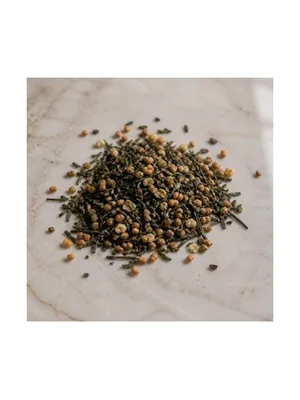
Genmaicha
Note Profile
About
Genmaicha is Japanese green tea blended with roasted brown rice. In perfumery it is used as an accord name rather than an extract. Two things make it: the grassy, vegetal tea leaf and the toasted, popcorn-like rice. The rice is what separates it from plain green tea. It is toasted, not steamed, so it reads nutty and warm rather than starchy and powdery.
Scent Profile
Nutty leads and it is the best-corroborated claim here. Three sources reach for the same idea in different words: The Perfume Society says 'toasty, popcorn-like', Wikipedia says 'warm, full, nutty', Teo Cabanel says 'grilled rice grains with sesame-hazelnut notes'. Green is the tea leaf and two sources name it, 'the grassiness of the tea leaves' and 'the fresh grassy flavour of green tea'. It sits well under the published green-tea note, because both sources describe the rice as balancing the grass rather than sitting behind it, and Wikipedia calls the whole thing mild. Powdery is one line of perfume copy, 'fresh, powdery notes', and it is consistent with the fine dust of milled leaf and roasted grain. Below the naming line: dry_woody from 'woody, crunchy notes' in that same copy, smoky and coffee_cacao as the roasting register at the level that toasting rather than charring earns, sweet_vanillic for the sugar and starch Wikipedia says give the warmth, and small lactonic, tobacco_hay and aquatic_ozonic carried over from what green tea and popped grain usually do. Those last three are not stated by any source and are held low with wide spreads for that reason.
ScentWheel
Read off the wheel, not a label applied to the note.
Origin
A Japanese tea blend. Green tea leaf, usually sencha or bancha, is mixed with rice that has been soaked, steamed and roasted. Some grains pop during roasting, which is why the tea is nicknamed popcorn tea. No supplier publishes an odour data sheet for a roasted-rice absolute or extract, so the perfumery use is a reconstruction. Teo Cabanel's Je Ne Sais Quoi names the tea directly and describes its build as Japanese sencha tea and grilled rice grains with sesame-hazelnut notes.
Usage in Perfumery
A heart note in tea and gourmand-adjacent compositions. It gives a green tea accord a toasted, grain-like body without going sweet. Perfumers reach for it when plain green tea reads as too thin or too cologne-like, and when popcorn or toast would read as too obviously edible.
Similar Notes
Perfumes featuring Genmaicha
A selection of reviewed perfumes where Genmaicha appears prominently.
No perfumes featuring this note have been reviewed yet. Check back soon.