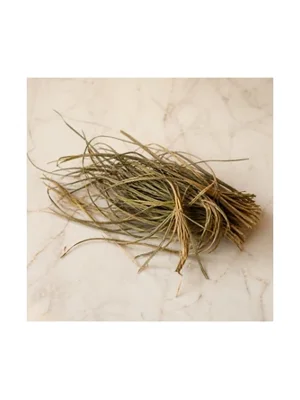
Grass Tree
Note Profile
About
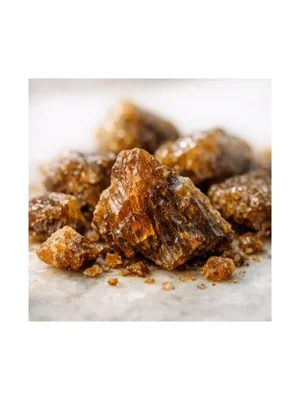
Grass tree is the resin of Xanthorrhoea, an Australian plant that is not a tree and not a grass. The note is phenolic smoke over a dark balsamic resin, with a honeyed warmth underneath. It smells burnt rather than burning. The reference image the one developed source gives is a hollow trunk still smouldering after a bushfire.
Scent Profile
Smoky is the note and the one source that describes it at length leads with it three separate times: 'smoky, dark-balsamic', 'phenolic smoke', 'ancient, dry, and burned'. It is set just below birch tar's 0.85 register in kind but the same source explicitly says grass tree is 'less tarry than birch tar', so the smoke is phenolic and woody rather than creosote. Amber_resinous is the body under the smoke, supported twice and by two independent sources 150 years apart: 'dark resin, warm balsamic' from the trade source, and the Dispensatory's comparison to burning balsam of Tolu. It is held below benzoin's 0.80 because the same trade source says grass tree is 'more phenolic than benzoin'. Dry_woody carries the 'ancient, dry, and burned' impression and the hollow-trunk image. The dossier flags that this impression could not be split cleanly from smoky, so it takes the widest spread in the vector. Honeyed is a direct quote, 'honey-sweet warmth underneath phenolic smoke', and it is what stops the note reading as pure char. Sweet_vanillic is the balsamic half of the Tolu comparison at a level below tolu-balsam's own 0.50, because nothing here is described as vanillic on its own. Below the naming line, leather is the phenolic register that any smoke this heavy carries towards, and aromatic_herbal is the Dispensatory's 'aromatic flavour' when chewed. Small earthy, tobacco_hay, warm_spice and mineral are inference, not quotation, and are held low.
ScentWheel
Read off the wheel, not a label applied to the note.
Origin
Xanthorrhoea species from Australia. The resin bleeds from the trunk and sets hard, and it is dark red-brown to near black. It is known in older trade literature as acaroid resin, gum accroides or Botany Bay resin. The 19th-century Dispensatory records it burning with a smoky flame and giving off an odour not unlike balsam of Tolu, and being slightly astringent and aromatic when chewed. It is not carried in mainstream perfumery supply chains and no manufacturer publishes an olfactive data sheet for it.
Usage in Perfumery
A base note in incense, smoke and dark resin compositions. It sits where benzoin would sit structurally but reads far more phenolic, so it is used when a balsamic base needs a burnt edge that benzoin cannot give. It is dry enough to carry a woody accord and sweet enough not to read as pure tar.
Similar Notes
Perfumes featuring Grass Tree
A selection of reviewed perfumes where Grass Tree appears prominently.
No perfumes featuring this note have been reviewed yet. Check back soon.