

Aromatic Conflict
EDP
Alexandria UK
Statement
Note Profile
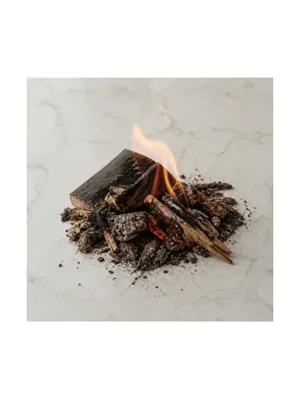
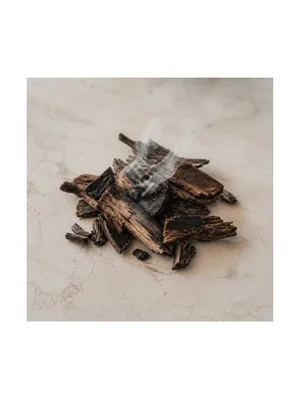
Oud Smoke is agarwood burning, not agarwood oil. Heat drives off compounds the cold oil never releases, so the note is smokier, sweeter and more resinous than oud itself. It is a base accord built from oud materials plus smoky phenolics. No commercial oud-smoke raw material exists.
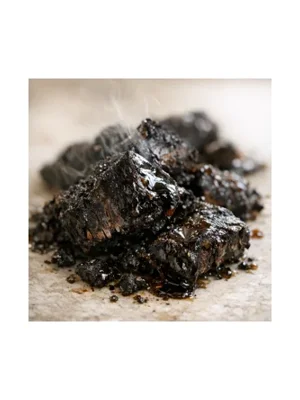
Oud Smoke smells of agarwood burning, denser and smokier than cold oud oil, with a carbon-charcoal edge cold oil never has. Dry, woody agarwood sits underneath, some of it turned to carbon by the burn. A resinous, sweet-balsamic amber note runs alongside, matched by a faint animal undertone carried over from oud itself. Shades of vanilla give it a sweet warmth, and a spicy, exotic streak shows through the smoke. It carries a medicinal, tarry phenolic edge, like creosote, within the smoke.
Read off the wheel, not a label applied to the note.
Tap a perfume to see where Oud Smoke sits in it. The rest of the picture goes grey
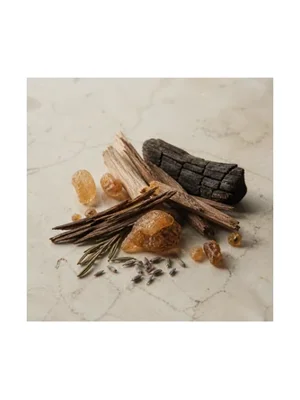
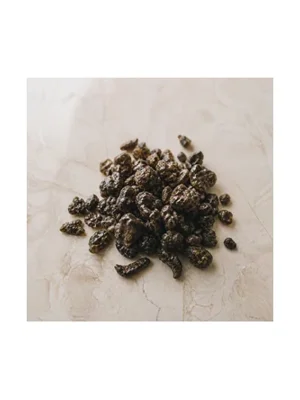
Heating agarwood chips on charcoal is the traditional use of the wood, for example in mosques. Heat breaks down the wood and its resin. It releases sweet compounds such as vanillin and benzaldehyde, and smoky aromatic compounds from the woody part. A smoke distillate of burning oud is not a standard commercial product. A perfumer builds the effect from oud oil or synthetic oud molecules plus smoky-phenolic materials such as guaiacol and syringol.
It is a base note. Use it where cold oud is not smoky enough and plain wood smoke is not sweet or resinous enough. It bridges the oud notes to Incense and Bakhoor without being either.
A selection of reviewed perfumes where Oud Smoke appears prominently.
New finds, honest verdicts, and price drops.
No spam. Unsubscribe anytime. See our privacy policy.
