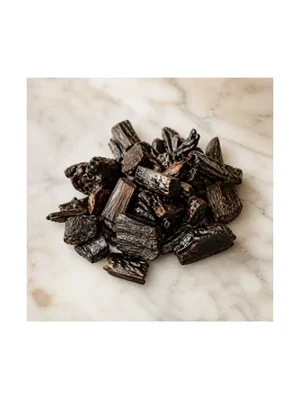
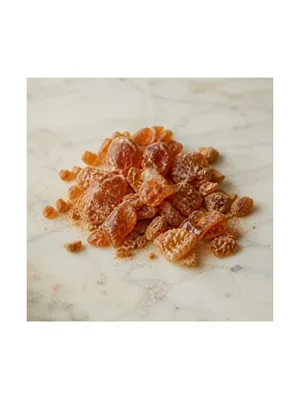
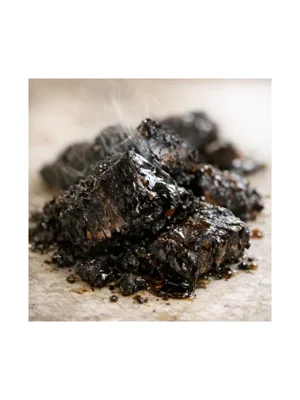
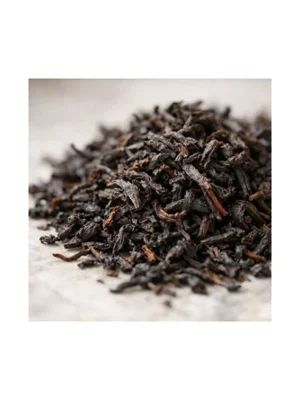
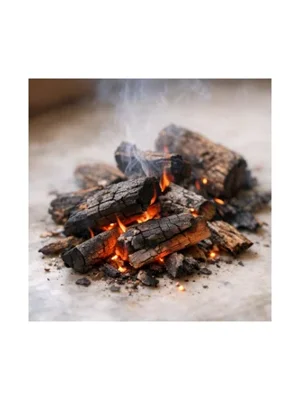
Pine tar is the dark, viscous oil left when pine wood is burned without air. It smells of thick black smoke, creosote and hot resin, with a phenolic bite and a leathery edge. A balsamic, faintly coniferous sweetness runs under the smoke and keeps it from reading as pure burn.
Scent Profile
Pine tar is dominated by smoky, with thick creosote-like black smoke and a phenolic, medicinal sharpness. Amber_resinous sits behind it as a balsamic, hot-resin body that the sources call smooth. Leather comes through as a tarry, cured-hide facet, and dry_woody as the pyrolysed conifer wood itself. A sweet_vanillic burnt sweetness rounds the smoke, which is what two trade sources mean by calling this the most palatable tar. Below those, earthy and animalic depth and a faint green coniferous trace remain.
Read off the wheel, not a label applied to the note.
What this is made of
Pine tar oil, rectified
A natural extract
CAS 8011-48-1
Pine tar oil (IFRA NCS M2.24). The only pine tar material held, and it is rectified; the note describes the destructive distillate itself, so the link is sound but the grade is not a choice we made.
Pine tar comes from the destructive distillation of pine wood, usually the resin-rich stumps and roots of Pinus species. The wood is heated in a sealed kiln so it pyrolyses rather than burns, and the tar is collected as a thick black liquid. Pyrolysis creates the guaiacol, creosol and phenol compounds that carry the smell. This is what separates it from pine and pine needle oil, which are steam-distilled and never heated to pyrolysis. Perfumery grades are usually rectified to strip the harshest fractions.
Usage in Perfumery
Perfumers use pine tar in base accords for smoke, leather and burnt-wood effects. PerfumersWorld calls the rectified oil the smoothest of the tars next to cade and birch tar, and sweeter, so it is reached for when a composition needs tar without the sharpness of birch. It builds campfire, incense and gothic-leather accords, and it pairs with labdanum, styrax, vetiver and the conifer oils. It is dosed in traces because it stains and dominates.
A selection of reviewed perfumes where Pine Tar appears prominently.
No perfumes featuring this note have been reviewed yet. Check back soon.
We use cookies to improve your experience and understand how you use our site.
Read our cookie policy
Cookie Preferences
Choose which cookies you'd like to accept. Essential cookies cannot be disabled
as they're required for the website to function.
Always On
Required for the website to function. Includes session management and security tokens.
Help us understand how visitors use the site. We use Umami (privacy-focused,
cookieless) and Google Analytics to measure usage without tracking you across websites.