Roasted Oak names no single substance
ReconstructedToasted oak as a cooperage impression; the oak materials we hold are moss and wood, not toast.
Note Profile
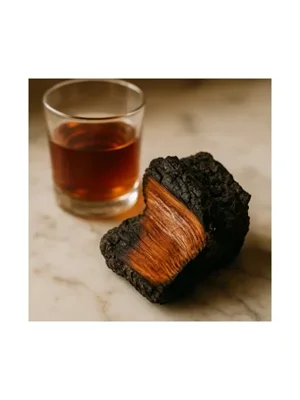
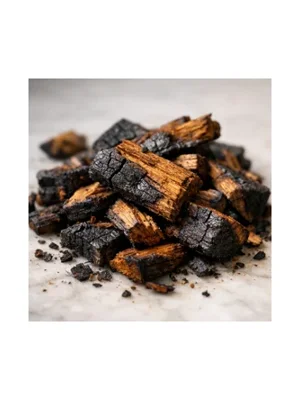
Roasted Oak carries a warm, smoky, and slightly sweet aroma reminiscent of toasted wood, as found in charred oak barrels used for aging spirits. It imparts a rich, robust, and subtly caramelized character, adding depth and a touch of gourmand warmth to woody or boozy fragrances. This note is often used to evoke the cozy, enveloping scent of a wood fire or aged whiskey.
Roasted Oak presents a warm, smoky aroma with pronounced notes of toasted wood, subtle caramel, and faint hints of char. Its scent evolves from an initial burst of dry, smoky wood to a lingering, gently sweet and slightly boozy undertone. The overall impression is robust, enveloping, and evocative of aged barrels or smoldering embers.
Read off the wheel, not a label applied to the note.
Tap a perfume to see where Roasted Oak sits in it. The rest of the picture goes grey
Toasted oak as a cooperage impression; the oak materials we hold are moss and wood, not toast.
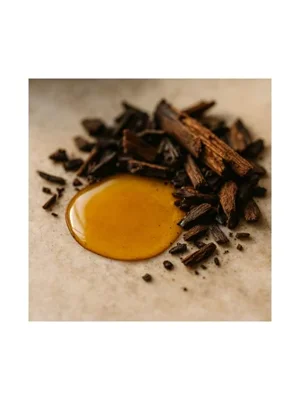
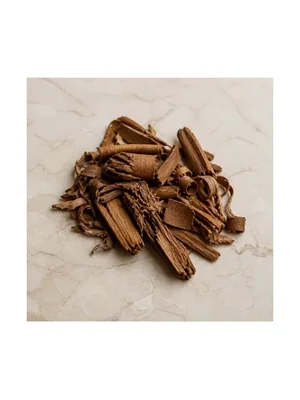
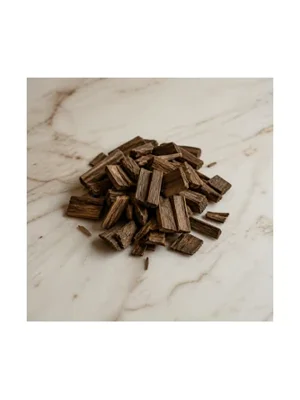
This note is typically recreated using a blend of natural and synthetic materials, such as oakwood absolute, guaiac wood, and smoky accords. The inspiration comes from oak barrels that are charred or toasted for aging spirits like whiskey, with extraction methods including solvent extraction and pyrolysis of oak chips.
Perfumers employ Roasted Oak primarily as a heart or base note to impart depth, warmth, and a smoky, gourmand nuance. It blends well with other woods, resins, boozy notes, spices, and vanilla, often anchoring compositions that aim to evoke a sense of comfort or sophistication. Its use is common in woody, oriental, and modern gourmand fragrances.
A selection of reviewed perfumes where Roasted Oak appears prominently.
New finds, honest verdicts, and price drops.
No spam. Unsubscribe anytime. See our privacy policy.