Rush
Note Profile
About
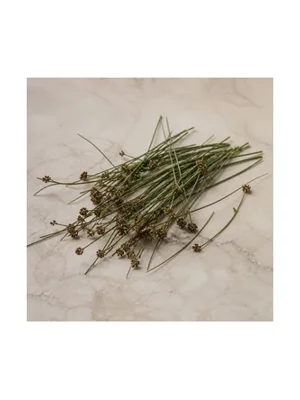
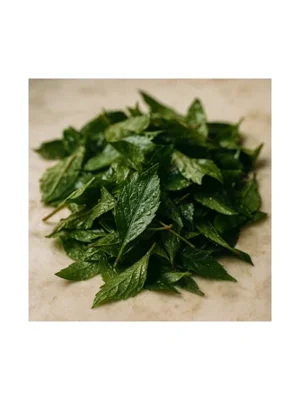
Rush is a plain green stem note. It smells of crushed sedge and grass stem rather than of leaf or flower. A dry, slightly woody stalk quality sits under the green, with damp ground behind it. It is a quiet, naturalistic note with no sweetness and no spice.
Scent Profile
Green leads and it is the only quality two independent sources agree on: Parfumo tags the note 'Green notes' and the product copy names 'green grasses and rushes' and 'crushed sedges, rushes and grass stems'. Dry_woody for Parfumo's second tag, 'Woody notes'. That is a bare category label with no prose behind it, so it carries the widest spread in the vector. Earthy for the peat and rain-soaked ground the accord sits on. Aquatic_ozonic, mossy_chypre and mineral also come from that surrounding wet-meadow context and not from rush itself, so all three are held low and given wide spreads. Tobacco_hay is the dry stalk under the green, since a rush is a stem and not a leaf. Aromatic_herbal for the water mint and bog myrtle in the same accord.
ScentWheel
Read off the wheel, not a label applied to the note.
Origin
Rush is the common name for Juncus, the wetland grass-like plants of wet meadow, bog and moor. Which Juncus species supplies the perfumery material could not be established, and no source states whether the note is a real extract or a reconstructed accord. Every sourced use places it in a wet-grassland accord alongside sedges, grass stems, bog myrtle and peat.
Usage in Perfumery
Rush is a supporting green note in wet-meadow and moorland accords. Parfumo tracks it in 6 perfumes across 3 brands, first in 2005 and last in 2018, and reports it usually sits in the heart. The one product page found puts it in the top note among crushed sedges and grass stems, over wild flowers, water mint and a base of rain-soaked moss, ferns and peat.
Similar Notes
Perfumes featuring Rush
A selection of reviewed perfumes where Rush appears prominently.
No perfumes featuring this note have been reviewed yet. Check back soon.