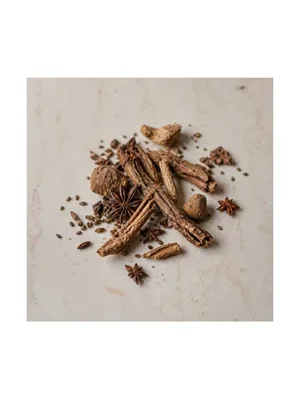
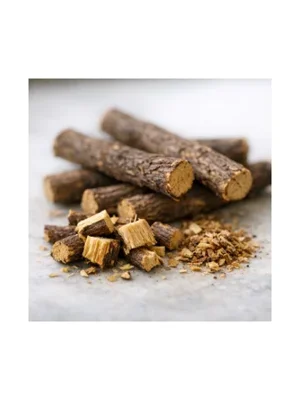
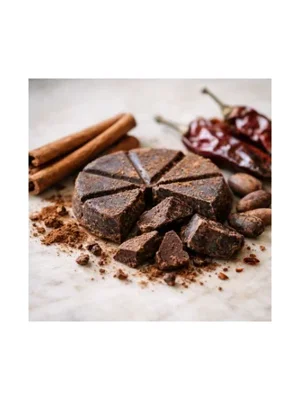
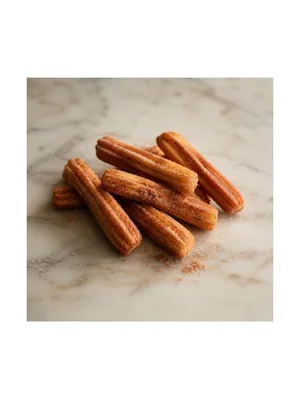
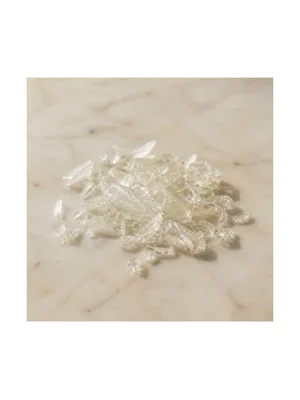
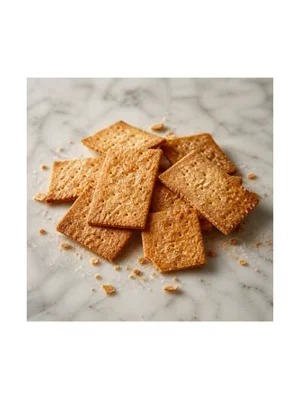
Safrole is the phenylpropanoid that makes sassafras smell of sassafras. It is warm, sweet and root-beer-like, with an anisic softness and a dry woody floor. It is prohibited by IFRA and controlled as a drug precursor, so it is absent from modern perfumery. This note records what the isolated molecule smells like, not what anyone is formulating with.
Scent Profile
Sweet_vanillic leads. Premiere Peau calls the odour 'unmistakably sweet and warm, with a particular candy-shop, root-beer-like character', and the anisic sweetness it names loads the same facet, which is where the published anise note also puts most of its weight. Warm_spice is the 'soft, slightly spicy' half, rounded rather than sharp: the source is explicit that safrole is less sharp than anise and lacks the clove bite of eugenol, so it is held well below eugenol's. Dry_woody is the drydown the source times for us, a woody undertone appearing within minutes, 'similar to freshly split sassafras bark'. Amber_resinous is the balsamic warmth named in the same sentence as the sweetness and the 'woody-amber murmur' it ends on. Below the line: earthy for Fragrantica's word 'rooty', and cooling_mentholic, kept as a trace because the anise kinship is real but the source says safrole is the rounder of the two. No green or herbal facet is scored, because the source rules both out by name.
Read off the wheel, not a label applied to the note.
What this is made of
safrole
Names this molecule
CAS 94-59-7
The note IS the molecule, CAS 94-59-7. Held despite an IFRA prohibition because the note documents a real and historically important smell; the regulatory position lives in the regulatory layer, not by deleting the note.
Restricted
An IFRA Standard limits how much of this a perfumer can usethe limit applies to the perfumer, not the wearer
These are facts about the substance, not about any perfume with this note.
Why that matters
A perfume that names Safrole can use a different extract, a
reformulated version, or a synthetic reconstruction. It can also hold less
than the amount that requires a declaration. We cannot tell which applies.
These rows cover only the substances we hold a link for.
An isolated molecule, found naturally in sassafras bark and in Ocotea oils. The National Toxicology Program's 15th Report on Carcinogens describes the neat material as a colourless or pale-yellow oil with an odour of sassafras. That analytical statement is the only independent check on the perceptual account, and it confirms the identity rather than the shape. TGSC and Leffingwell data were not fetched for this pass and will be folded in separately.
Usage in Perfumery
Attested once on Fragrantica, in the 'Natural and synthetic, popular and weird' group, and absent from Parfumo. It has no current formulation use. IFRA prohibits it and it is a controlled precursor, so any appearance is historical or descriptive.
A selection of reviewed perfumes where Safrole appears prominently.
No perfumes featuring this note have been reviewed yet. Check back soon.
We use cookies to improve your experience and understand how you use our site.
Read our cookie policy
Cookie Preferences
Choose which cookies you'd like to accept. Essential cookies cannot be disabled
as they're required for the website to function.
Always On
Required for the website to function. Includes session management and security tokens.
Help us understand how visitors use the site. We use Umami (privacy-focused,
cookieless) and Google Analytics to measure usage without tracking you across websites.