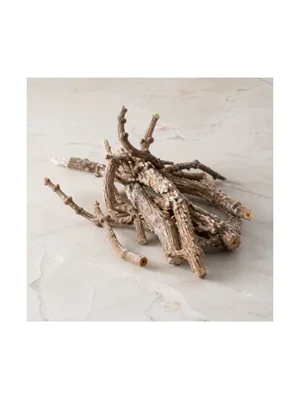
Siriuba Tree
Note Profile
About
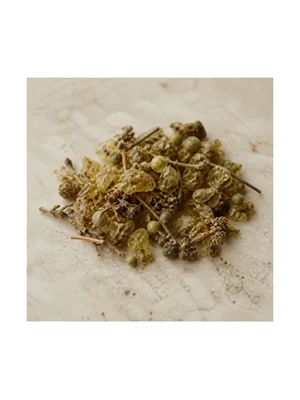
A dark balsamic resin with a salt trace. Warm and incense-like, drier than benzoin and less bright than frankincense, with a faint smoky-leathery edge and a coastal mineral undertone.
Scent Profile
Amber_resinous leads and the source states it three separate times: 'Balsamic, slightly smoky, resinous', 'Balsamic, warm-resinous', 'Warm balsamic-resinous burst'. It is not pushed to 0.85 because the source spends as much effort saying what this resin is not, less bright than frankincense and less sweet than benzoin, as saying what it is. Dry_woody is the tree and the 'dark, warm balsam' body, and woody is the facet the term's own published description names first. Smoky is 'incense-like' and 'slightly smoky', stated in all three tempo passages. Leather is 'leathery undertones', also stated three times. Earthy is 'a quiet, earthy depth'. Mineral is the differentiator the source calls out on purpose: 'The coastal-mangrove origin adds a subtle saline-mineral undertone absent in inland tree resins'. Aquatic_ozonic takes the smaller half of that salt, because a salt impression splits across mineral and aquatic in this vocabulary and the water here is brackish and still. Sweet_vanillic is a balsamic trace held down by the explicit 'less sweet than benzoin'. Green is trace.
ScentWheel
Read off the wheel, not a label applied to the note.
Origin
Siriuba, also spelled ciriuba, is named by the one available glossary as Avicennia schaueriana, a mangrove of the Brazilian coast. The tree excretes salt through leaf glands, and its bark is said to exude a balsamic resin collected by tapping. Production is described as minimal and artisanal, with no commercial datasheet. The same page contradicts itself. Its structured botanical field instead gives Macrolobium acaciifolium, an Amazonian floodplain legume with no salt glands, and no odour material exists for that species at all. This vector scores the Avicennia reading, because the running prose argues for it and the salt glands match the term's own published description.
Usage in Perfumery
A base-note balsamic used in niche Brazilian and Amazonian compositions. It gives warm dark depth where frankincense would be too bright and benzoin too sweet. The source pairs it with copaiba and tonka bean.
Similar Notes
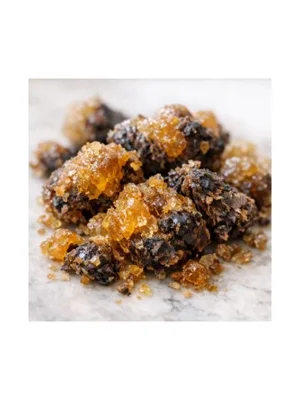
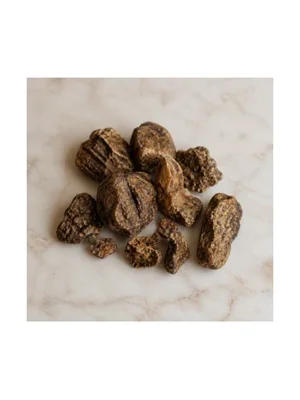
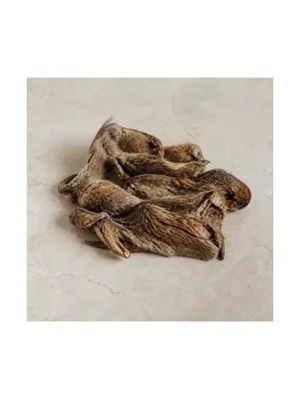
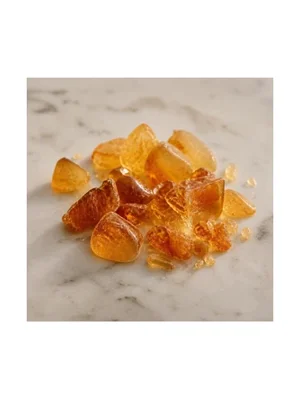
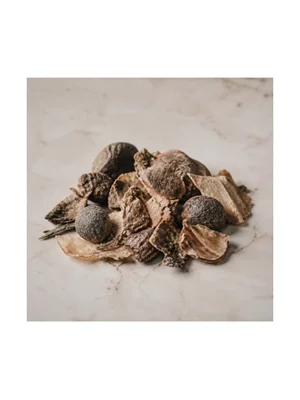
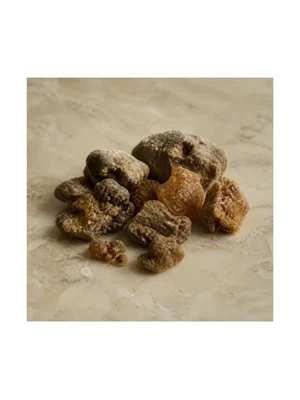
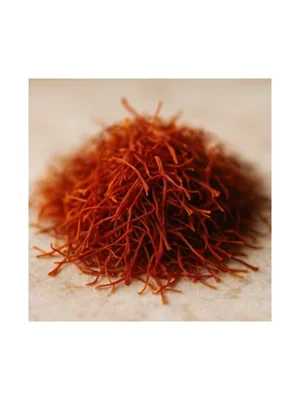
Perfumes featuring Siriuba Tree
A selection of reviewed perfumes where Siriuba Tree appears prominently.
No perfumes featuring this note have been reviewed yet. Check back soon.