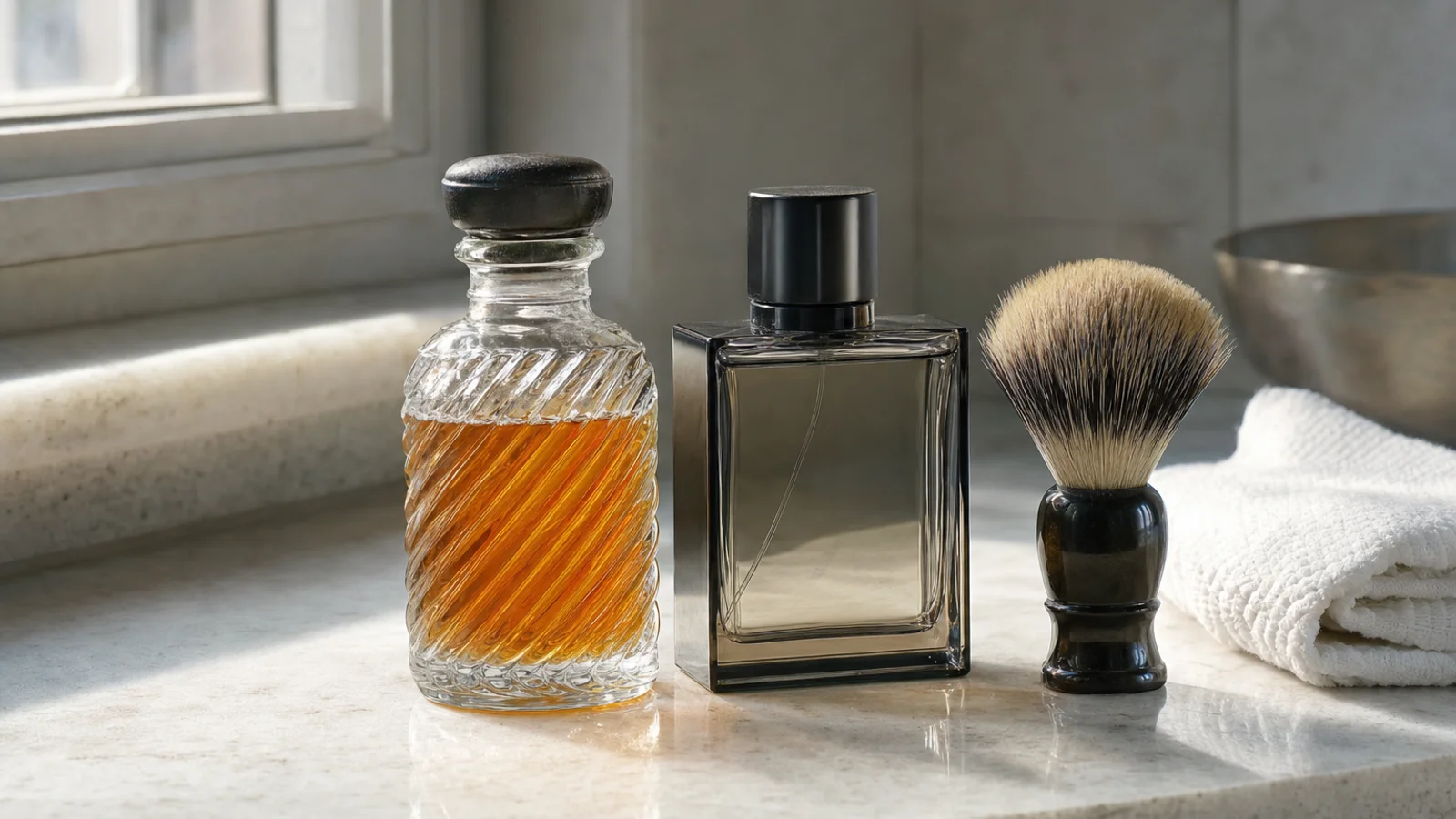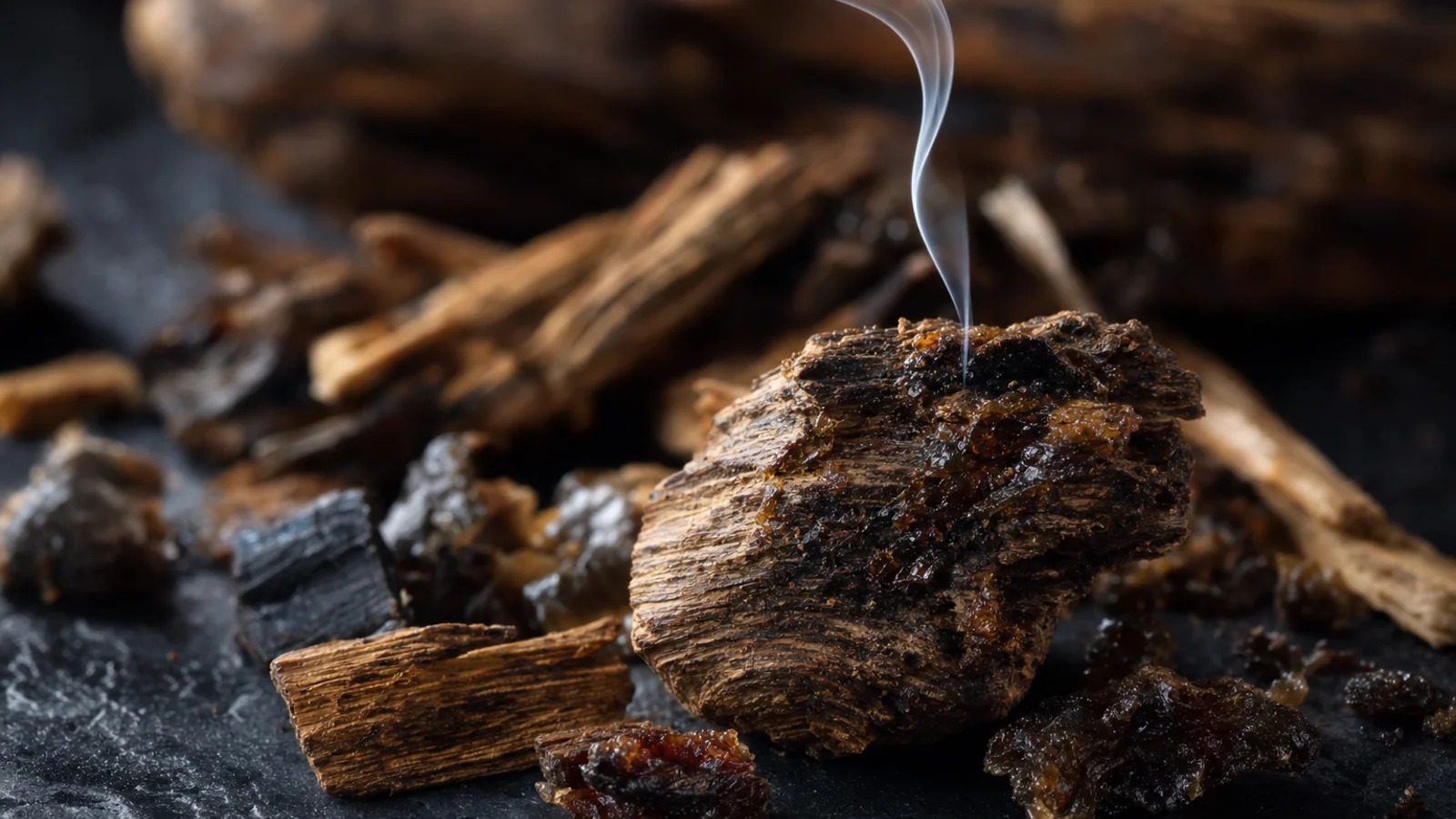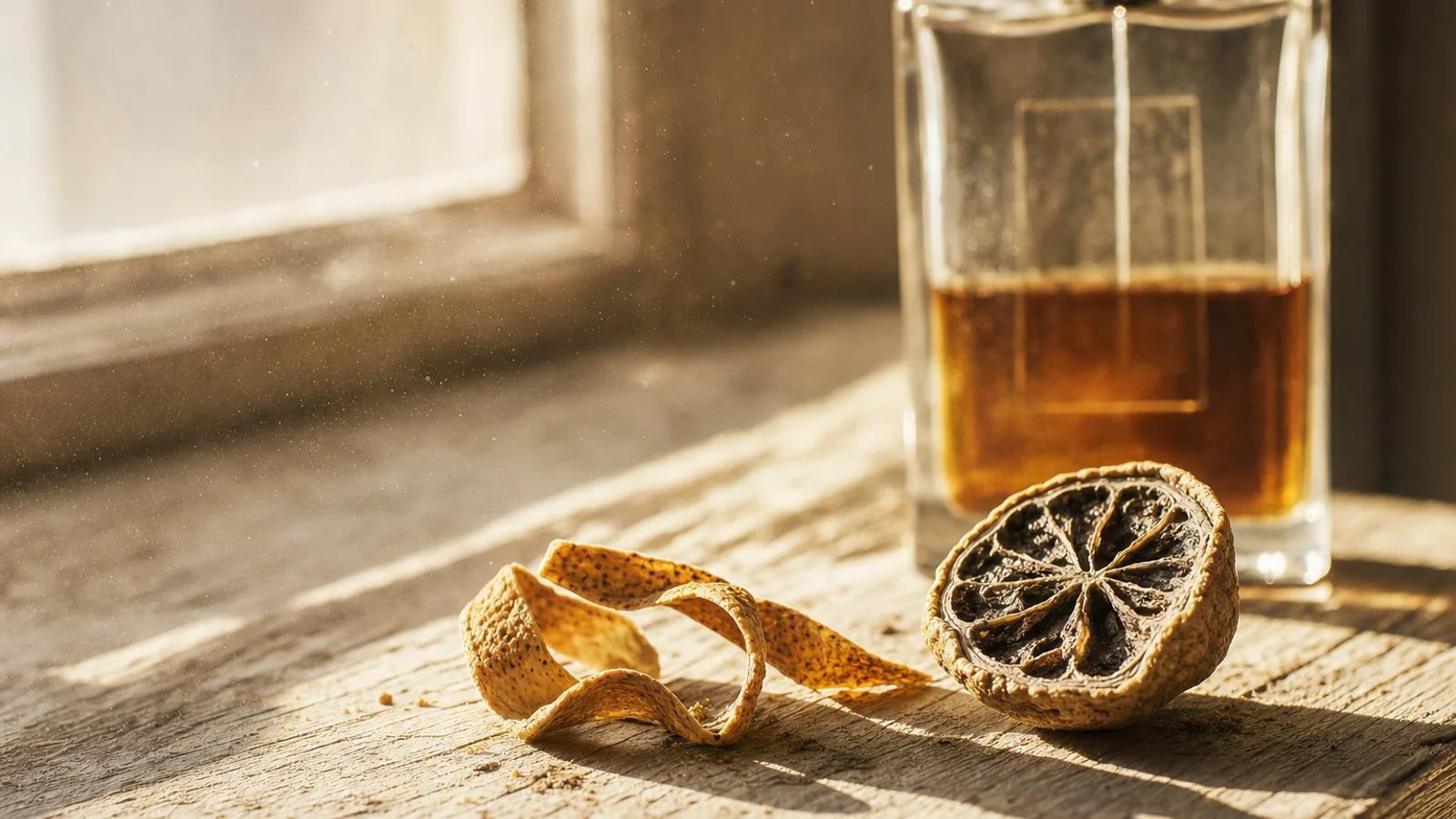
Yes, perfume expires, but not the way milk does. Nothing about an old bottle turns dangerous - the alcohol content sees to that. What happens instead is slower and more specific: oxygen and light work on the oils over years, the brightest top notes fade first, and eventually the fragrance stops smelling like the one you paid for. Sealed and stored well, most Eau de Toilette and Eau de Parfum hold up for five to ten years before you would notice a real change. Opened and used normally, three to five years is the realistic window before the balance shifts.
How fast that happens depends heavily on what is actually in the bottle - a bright citrus fragrance and a heavy amber one age at completely different speeds, for reasons that show up clearly once you compare real compositions.
How long a bottle really keeps
| Question | Short answer |
|---|---|
| Unopened, sealed, stored properly | 5-10+ years before a real change is likely |
| Opened and used normally | 3-5 years is the realistic window |
| Citrus and fresh-aromatic compositions | Fade fastest - the top note goes first |
| Amber, oriental and gourmand compositions | Age slowest, some improve with age |
| Is an old bottle unsafe to wear? | No - it smells worse, it is not harmful |
Does perfume expire if it's unopened?
Sealed fragrance is the best case. EU and UK cosmetics rules only require the open-jar "Period After Opening" (PAO) symbol - the icon with a number of months inside it - on products with a shelf life under 30 months. Fine fragrance's alcohol content usually clears that bar easily, which is why most perfume boxes carry no PAO symbol at all. What you find instead is a batch code: letters and numbers moulded into the base of the bottle or printed under the box, identifying the production run and roughly when it was made. Every manufacturer runs its own scheme and none are published, so an online batch-code checker gives an estimate, not a certificate.
Sealed, upright and out of light and heat, a bottle can realistically sit for five to ten years or more before you would notice a difference. The main enemy is oxygen, and a sealed bottle has none getting in.
Does perfume expire once it's opened?
Opening it starts the clock properly. Every spray lets air into the neck, alcohol evaporates a fraction faster than the oils, and oxygen starts working on the fragrance compounds themselves. The honest general guidance is three to five years for most Eau de Toilette and Eau de Parfum - shorter if stored badly, longer if stored well and used steadily. A bottle left half-empty for years degrades faster than one finished within a year or two, because the emptier it gets, the more air sits in the headspace each time you cap it.
Citrus goes first, amber barely moves
Citrus goes first. Bergamot, lemon and grapefruit oils oxidise readily on contact with air and light, so a top-heavy citrus composition loses its brightest, most expensive-smelling layer years before the base changes.
Dior's Eau Sauvage is the textbook case. Edmond Roudnitska's 1966 citrus aromatic opens on lemon and bergamot, and that opening is exactly what fragrance communities describe as the tell in an old bottle - sharper, sometimes slightly sour, before the fragrance even reaches its heart. The mossy, musky base is comparatively stable; it is the top that gives an aged bottle away.
The same pattern shows up in newer fragrances built the same way. Chanel's Bleu de Chanel EDT opens on grapefruit and lemon over a woody, amber-flecked base - and it is that citrus opening that fades first in a tired bottle, even though the structure underneath is built to last.
Base-heavy amber and oriental fragrances have almost nothing fragile to lose. Tom Ford's Oud Wood opens on cardamom and pink pepper rather than citrus, then settles into vetiver and amber - no bright top note is sat there waiting to oxidise, so it reads much the same years apart. Tobacco Vanille from the same house follows the same logic, built on tonka bean and vanilla instead of a citrus opening. Wearer reports on older bottles of both are consistently that they perform close to new stock, and some people prefer the rounder character an aged amber base picks up.
Three real tells that a bottle has turned
You do not need to count years. Look and smell for these three things instead.
- Colour darkening. A fragrance turning noticeably darker than it started is oxidation happening to the oils, sped up by light. Most obvious in fragrances that start out pale.
- A sour or vinegary opening. If a bright citrus opening now smells sour, metallic or vinegary for the first ten seconds, the top notes have oxidised - the base underneath is usually fine once you get past it.
- A top note that has vanished. If a fragrance that used to open on citrus or aromatics now goes almost straight to its base, that top accord has faded out.
None of these is a safety issue. They mean the scent has changed, not that the liquid has spoiled the way food does.
How to store perfume so it lasts
Keep the bottle upright, capped tightly, out of direct light, at a stable cool temperature - a drawer or cupboard, not a sunlit windowsill. The original box helps because it blocks light completely and smooths out temperature swings.
The bathroom is the worst place for exactly these reasons. Every shower swings the temperature and humidity up and down, the opposite of the stable, dry environment fragrance needs, and it accelerates all three tells above. If your collection currently lives on a bathroom shelf, that is the easiest fix available.
Buying a favourite in bulk? Keep the spares sealed and open one bottle at a time - a full, unopened bottle will always outlast an opened one sitting half-used on the same shelf.
Is a discounted old-stock bottle a bargain or a risk?
Often a genuine bargain. A retailer running down old boxed stock, whether from a shop closure or a packaging refresh, is usually selling perfectly good fragrance, especially anything base-heavy like the Oud Wood and Tobacco Vanille examples above, where age barely shows.
Be more careful with citrus-led classics such as Eau Sauvage or Bleu de Chanel EDT if a bottle has clearly sat in a sunlit shop window for a couple of years. Check the colour against a fresh bottle if you can, and if you can smell it, trust the clarity of the top notes over the price tag. If in doubt, buy from a retailer with fast stock turnover rather than gamble on unknown age.
Common questions
Does perfume expire, or does it just change?
Both. It will not spoil in the food-safety sense, but the scent changes enough over time that most people would call an old, faded bottle expired in every way that matters.
Is expired perfume safe to wear?
Generally yes. The alcohol content means it is not a bacterial hazard, so an old bottle is far more likely to smell disappointing than to cause harm. Patch test first if it smells distinctly sour or your skin is sensitive.
Does the batch code tell me the expiry date?
No. At best, if you can decode it for that specific brand, it tells you roughly when the fragrance was made, not a use-by date. Most fragrance boxes carry no printed expiry date at all.
Which perfumes last longest before they turn?
Base-heavy amber, oriental and gourmand fragrances - Oud Wood and Tobacco Vanille among them - generally outlast citrus-led fragrances like Eau Sauvage or Bleu de Chanel EDT by years, because there is no fragile top note waiting to oxidise away.
Judging your own bottle
Do not throw a bottle out on age alone. Check it against the three tells - colour, a sour or vinegary opening, a vanished top note - rather than counting years. Store it upright, capped, in the dark, at a stable temperature, and nowhere near a bathroom. Buying old or discounted stock? Lean towards base-heavy amber and oriental fragrances where age barely shows, and be more selective with citrus-led classics unless you can check the colour or get a sniff first.
Wondering how long a spray lasts on skin during a single wear, rather than how long the bottle survives on a shelf? That is a different question - our companion guide on how long perfume lasts covers on-skin longevity specifically.
What this is based on
This explainer draws on the concentration, note and accord data we hold for every perfume in our catalogue, read alongside community-reported experience of how specific fragrances age in the bottle rather than manufacturer claims. The citrus-versus-amber comparisons above use fragrances we hold in full detail, so the notes, accords and perfumer credits linked come from our own per-perfume data. For more on how individual raw materials behave in a composition, see Perfume Notes Explained and Understanding Accords.