


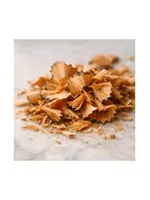
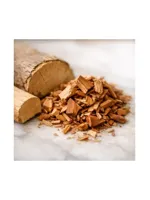
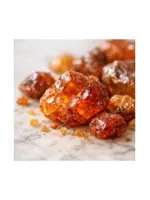









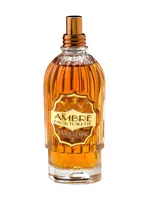
Ambre
EDP
L'Occitane en Provence
Statement
Provence-based beauty retailer with fresh, natural-leaning fragrances and broad mainstream appeal.
L'Occitane en Provence was founded in 1976 by Olivier Baussan, who started by distilling rosemary essential oil in Provence and selling it at local markets. The brand's own story traces back to natural ingredients and regional traditions, especially herbs and plants from southern France, and that Provence identity still anchors its products today.
The company expanded from oils into soaps, creams, body care, and later fragrances, while keeping a focus on natural-leaning formulas and sensory textures. It is now part of L'Occitane Group, and its perfume line sits alongside a much larger beauty business that includes skincare, body care, hair care, and home products. In fragrance, the brand generally stays close to fresh, herbal, floral, and clean profiles rather than heavy, highly abstract perfumery.
L'Occitane's retail positioning is broad and accessible, with a strong emphasis on ingredient storytelling and Provence provenance. That makes its fragrances easy to understand and easy to wear, but also less daring than what you'd expect from a niche perfume house.
A retailer, premium house known for herbal compositions.
The brand began with simple plant-based products and a local Provence story, then scaled into a global beauty retailer with perfumes as one category among many. Over time its fragrance style has stayed consistent: fresh, clean, and ingredient-driven, with fewer dramatic departures than specialist perfume houses. More recent growth has come from broadening the assortment and international retail reach rather than reinventing the scent DNA.
Solid if you want fresh, pleasant, easy fragrances with a strong Provence backstory. If you want daring perfumery or deep complexity, L'Occitane is usually too safe.
Favourite - easy to wear anywhere · Statement - bold & distinctive · Acquired - bold, for fewer occasions
EDP
L'Occitane en Provence
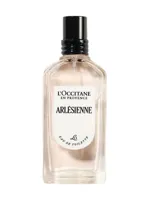
EDT
L'Occitane en Provence
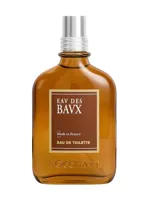
EDT
L'Occitane en Provence
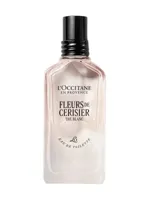
EDT
L'Occitane en Provence
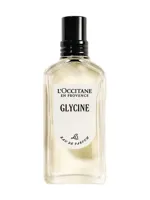
EDP
L'Occitane en Provence
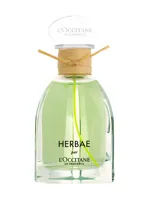
EDP
L'Occitane en Provence
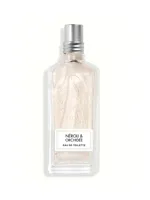
EDT
L'Occitane en Provence
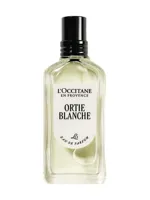
EDP
L'Occitane en Provence
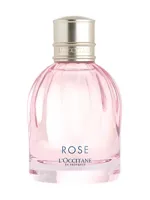
EDP
L'Occitane en Provence
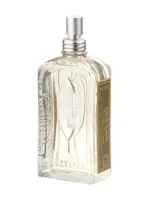
EDP
L'Occitane en Provence
New finds, honest verdicts, and price drops.
No spam. Unsubscribe anytime. See our privacy policy.