






















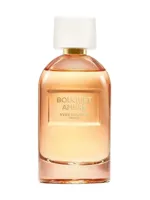
Bouquet Ambré
EDT
Yves Rocher
Favourite
Plant-based fragrances for accessible, nature-conscious beauty.
Yves Rocher was founded in 1959 by French entrepreneur Yves Rocher in La Gacilly, Brittany, pioneering plant-based cosmetics and fragrances before the natural beauty movement became mainstream. The brand's commitment to botanical ingredients stems from Rocher's personal philosophy - after his father's death at age 14, he retreated to the woods and created a hand-made cream from lesser celandine, realizing nature's positive impact on well-being. This foundational experience shaped the company's core principle: 100% of active fragrance and cosmetic ingredients derive from plant origin, with no artificial components. The brand operates its own 60-hectare certified organic botanical fields in Brittany (certified since 1999) and maintains a public botanical garden preserving over 5,000 plant species. With presence in 90 markets and over 20 million customers worldwide, Yves Rocher positions itself as the number-one beauty brand in France by volume and value. The fragrance line reflects this botanical DNA - scents emphasize natural floral, herbal, and plant-derived accords rather than synthetic complexity. The brand's 1973 launch of Riche Crème Anti-Wrinkle Night Cream became iconic, selling one unit every five seconds globally decades later, demonstrating the commercial viability of the natural beauty positioning.
A mass market, budget house known for floral compositions.
Yves Rocher began as a mail-order skincare brand in 1959 and gradually expanded into fragrances as consumer demand for natural beauty products grew. The brand maintained its botanical-first philosophy throughout expansion into 90 markets, never compromising on the plant-origin ingredient mandate despite industry pressure toward synthetic efficiency. Recent evolution emphasizes sustainability - 2024 saw the launch of fully recyclable refills containing 75% less plastic, signaling a shift toward circular beauty rather than fragrance innovation per se.
Yves Rocher fragrances deliver honest, plant-based scents for budget-conscious consumers prioritizing ethics over olfactory complexity. Not for fragrance enthusiasts seeking projection, longevity, or avant-garde compositions - this is accessible, gentle beauty for everyday wear.
Favourite - easy to wear anywhere · Statement - bold & distinctive · Acquired - bold, for fewer occasions
EDT
Yves Rocher
EDP
Yves Rocher
EDP
Yves Rocher
Parfum
Yves Rocher
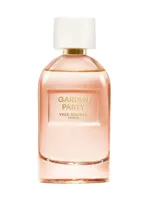
EDP
Yves Rocher
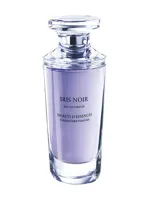
EDP
Yves Rocher
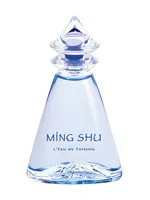
EDP
Yves Rocher
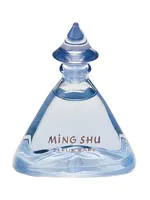
EDP
Yves Rocher
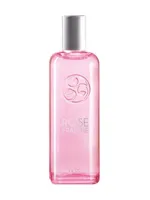
EDP
Yves Rocher
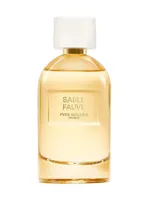
EDP
Yves Rocher
New finds, honest verdicts, and price drops.
No spam. Unsubscribe anytime. See our privacy policy.