




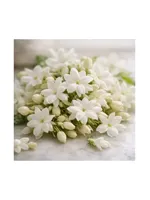
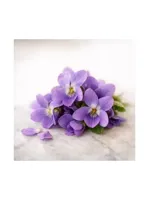


















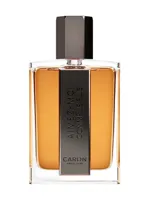
Aimez Moi Comme Je Suis
EDT
Parfums Caron
Favourite
Historic Parisian perfume house known for bold classical compositions and a strong in-house style.
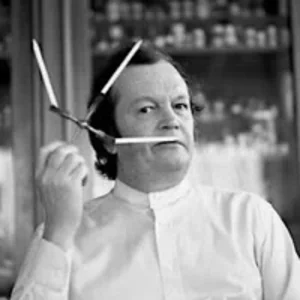
Parfums Caron is a French perfume house founded in 1904 in Paris by Ernest Daltroff. Early in the life of the company he partnered with Félicie Wanpouille, a former dressmaker and milliner who became his artistic director and business collaborator, creating the bottles and visual identity while Daltroff composed the scents. Their first boutique opened in Paris in 1904, and by 1923 Caron had established a boutique in New York, signalling its international ambitions.
Caron quickly built its reputation on bold innovations. Tabac Blond, launched in 1919, is often cited as one of the first major leather fragrances, and Pour Un Homme de Caron, released in 1934, is widely described by the brand as the first fragrance conceived specifically for men. During World War I, N’Aimez que Moi became known as a sentimental gift from soldiers to their fiancées. Alongside perfume, Caron entered cosmetics in 1908 with Pompon Poudre and later developed extremely fine face powders such as Madame Peau Fine and Mademoiselle Peau Fraîche in the 1930s.
Ownership of Caron has changed several times. As of 2019 the company is owned by Luxembourg-based Cattleya Finance, part of the Edmond de Rothschild / Rothschild & Co ecosystem, and in 2018 Ariane de Rothschild integrated Caron into the Rothschild group before a major relaunch in 2021. Throughout these transitions, the house has maintained in-house perfumery and a strong focus on perfume rather than fashion, preserving historical formulas while also issuing modern reinterpretations and new lines.
A niche, luxury house known for powdery florals compositions.
Caron began with daring early 20th century compositions that broke norms, such as smoky leathers and the then-unusual idea of a dedicated masculine fragrance. Post‑war and through the mid‑20th century, the house focused on rich florals and powders that became staples of French perfumery. In recent years, especially after its integration into the Rothschild group and relaunch around 2021, Caron has modernised its packaging and streamlined the line-up while maintaining links to its heritage through reissues, flankers and reinterpretations of classics. The newer creations tend to polish and lighten the density of older formulas while keeping the brand’s signature materials and structures recognizable.
Caron is a must-try for anyone interested in classical French perfumery and historically important fragrances, but it sits slightly outside the mainstream. If you enjoy modern, clean designer scents, this house can feel heavy or antiquated; if you like characterful, powdery and aromatic compositions, it is a gold mine.
Favourite - easy to wear anywhere · Statement - bold & distinctive · Acquired - bold, for fewer occasions
EDT
Parfums Caron
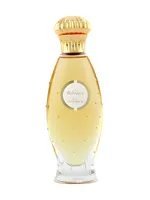
EDP
Parfums Caron
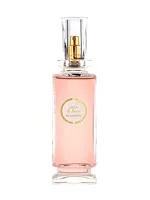
EDP
Parfums Caron
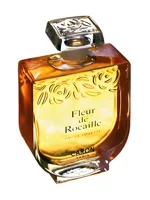
EDP
Parfums Caron
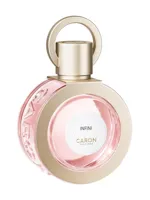
EDP
Parfums Caron
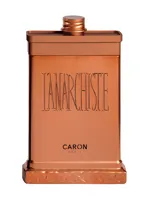
EDP
Parfums Caron
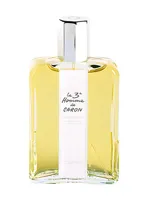
EDP
Parfums Caron
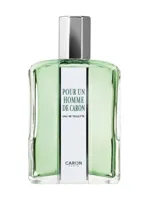
EDP
Parfums Caron
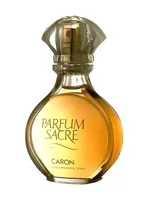
Parfum
Parfums Caron
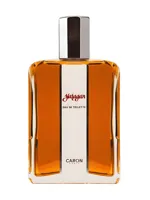
EDP
Parfums Caron
New finds, honest verdicts, and price drops.
No spam. Unsubscribe anytime. See our privacy policy.