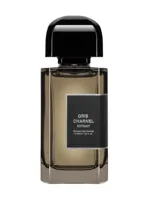
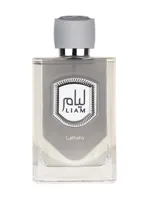
Is Lattafa Liam a dupe of BDK Parfums Gris Charnel?


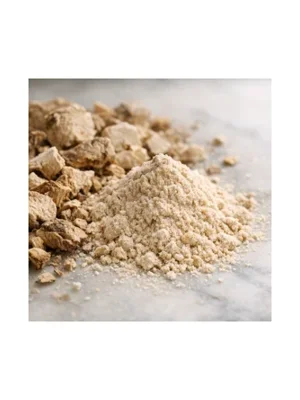


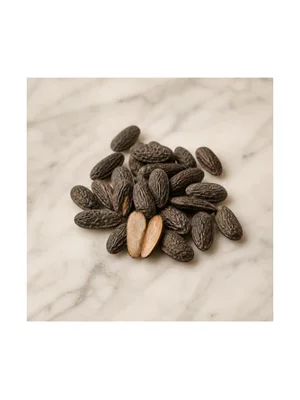
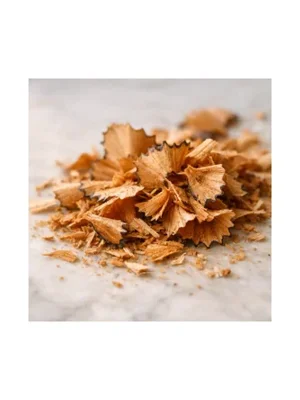


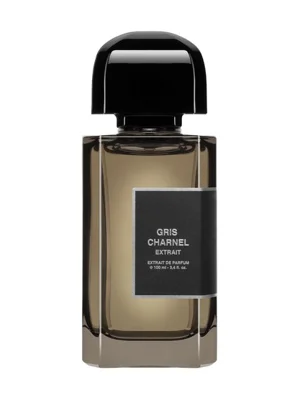 Gris Charnel Extrait
| Extrait | Concentration | EDP |
| U | Gender | U |
| 2022 | Year | 2023 |
| $$ | Price Tier | $ |
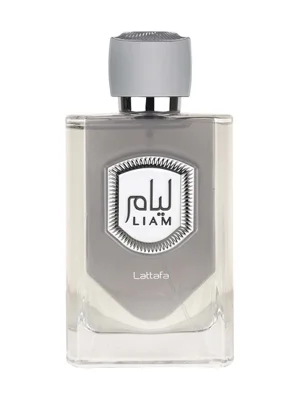 Liam EDP
Liam and Gris Charnel share DNA, but with key distinctions. Liam offers a smoother, crowd-pleasing warmth that's easy to love, especially given its budget-friendly price. Gris Charnel Extrait leans into a more challenging, spicy fig, creating a bolder, more polarizing experience. The Extrait is denser, projects more, and has a pronounced earthy edge. If you want a safe, versatile, and affordable option, choose Liam. If you want something unique, daring, and with extrait de parfum performance, Gris Charnel Extrait is the better choice.
 →
Where they differ
Biggest gaps first. The bolder side leads.
ScentArt
How it unfolds
Notes
- Gris Charnel
- Liam
- in both
Tap a note to light it in both. A+B means both have it


Which Should You Buy?
- You want a versatile everyday fragrance.
- You prefer smoother, more approachable scents.
- You're on a budget but want a luxurious feel.
- You want a safe blind buy with mass appeal.
- You prefer a more subtle, understated warmth.
- You want a unique, statement-making scent.
- You enjoy complex, challenging fragrances.
- You want extrait de parfum concentration.
- You love a prominent fig note.
- You want strong projection and longevity.
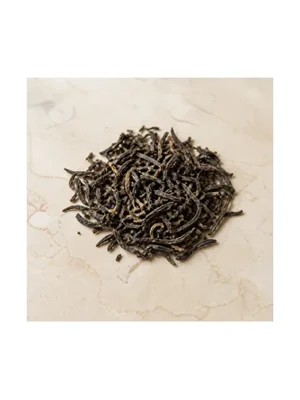
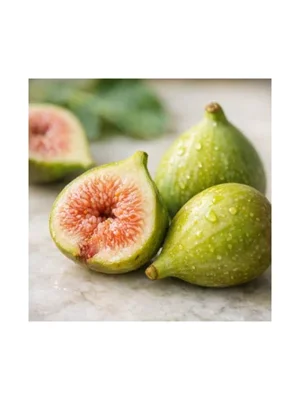
Black tea, fig and cardamom open with spiced warmth, softened by iris and vetiver. Cistus and woods deepen the vanilla-tonka base.
This is a seriously impressive budget-friendly option, a smooth, warm hug of a scent that gets better over time. While some find it sharp initially, patience is rewarded with a creamy, well-blended experience. It's a crowd-pleaser that punches above its weight, particularly for those who appreciate understated elegance.
Scent Profile
How They Wear
Mood
Notes
Top Notes
Heart Notes
Base Notes
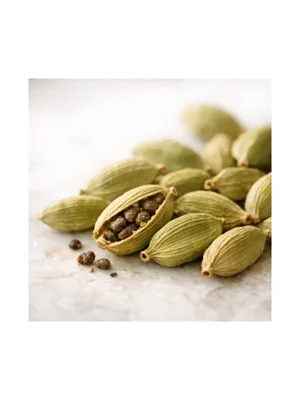 Cardamom
14%
vs
14%
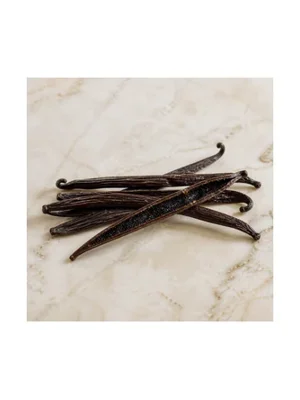 Vanilla
13%
vs
13%
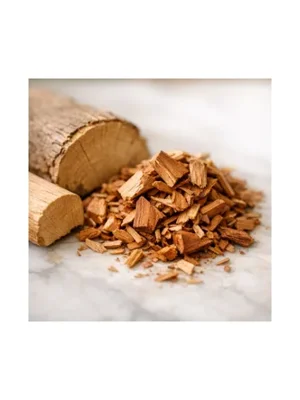 Sandalwood
11%
vs
9%
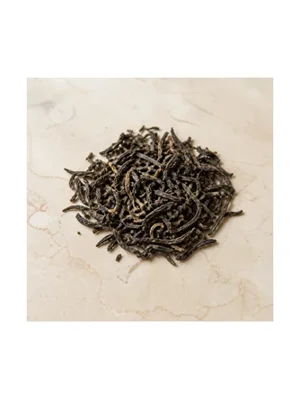 Tea
11%
vs
14%
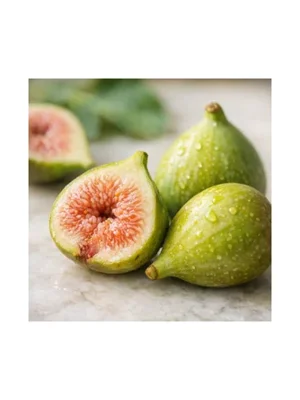 Fig
11%
vs
10%
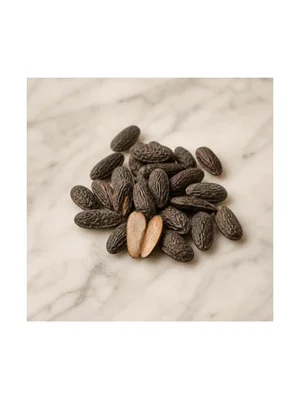 Tonka Bean
10%
vs
8%
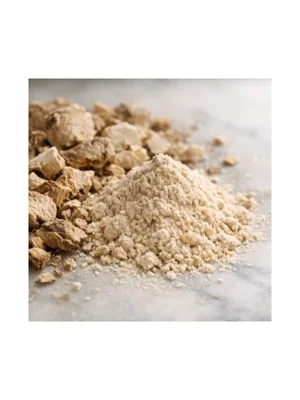 Iris
9%
vs
9%
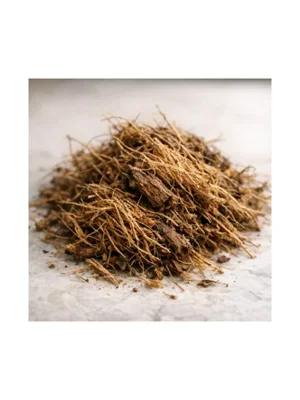 Vetiver
8%
vs
6%
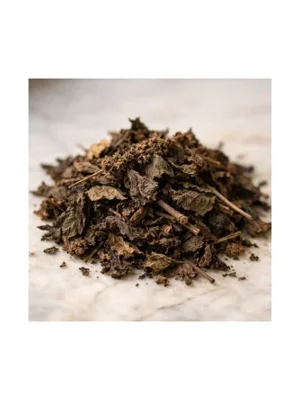 Patchouli
1%
vs
6%
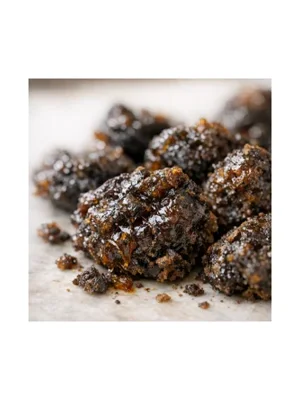 Labdanum
7% share of the perfume
Iris
9%
vs
9%
Vetiver
8%
vs
6%
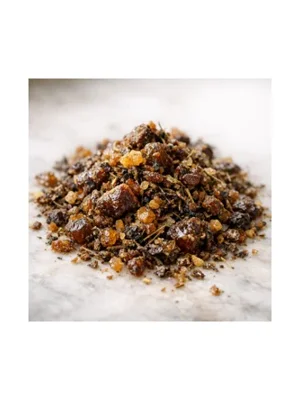 Cistus Incanus
1% share of the perfume
Labdanum
7% share of the perfume
Vanilla
13%
vs
13%
Sandalwood
11%
vs
9%
Tonka Bean
10%
vs
8%
Patchouli
1%
vs
6%
 Cedar
6% share of the perfume
Note weights are our estimate from each note's place in the pyramid, not the share of the formula. Brands do not publish formulations.
Performance
Season and Occasion Fit
Seasons
Fig and cardamom set a rich opening, while vanilla, tonka and woods give it a deep base; those warmer facets explain the stronger autumn and winter values, with the spring score closer to the middle.
Occasions
The polished sweet-woody character supports stronger date, casual and formal values; dense spice and resin make its sport score much lower, with office nearer the middle.
Seasons
A cold-weather scent - best worn in autumn and winter.
Occasions
Its moderate projection and warm, sophisticated profile makes it suitable for office wear, but it truly shines in casual and date settings, offering a cozy yet elegant presence. The rich, woody-vanilla dry-down is too heavy for sport, and just a tad too casual for strict formal events.
Similarity Breakdown
Our estimate of how alike these two fragrances smell, calculated from their published notes. It is a position on our scale, not a measured percentage of shared smell.
Shares 9 of its 11 notes, including Vetiver, Patchouli, Fig
Adds cedar and cistus incanus, drops labdanum
Where to buy
Pick a size. The two cheapest offers, then the rest.




Prices before sales tax, which the shop adds at checkout.
ScentVerdict earns a commission from purchases - this doesn't affect our verdicts.