

Aventus Cologne Eau de Parfum vs Orion Extrait









 Aventus Cologne EDP
| EDP | Concentration | Extrait |
| M | Gender | M |
| 2018 | Year | 2015 |
| $$$$ | Price Tier | $$ |
 Orion Extrait
While both share a similar fruity-woody DNA, Aventus Cologne opts for a brighter, fresher, and more refined experience, while Orion delivers a smokier, more intense take on the Aventus theme. Aventus Cologne offers Creed's signature quality and balance. Orion, though more affordable, may be perceived as synthetic and its performance is inconsistent. If you prefer a polished, versatile, and uplifting fragrance, Aventus Cologne is the better choice. For a bolder, smokier, and more challenging scent profile, Orion could be worth exploring, but sample first.

Where they differ
Biggest gaps first. The bolder side leads.
ScentArt
How it unfolds
Notes
- Aventus Cologne
- Orion
- in both
Tap a note to light it in both. A+B means both have it


Which Should You Buy?
- You want a brighter, more versatile scent.
- You appreciate Creed's quality and refinement.
- You prefer a modern, clean masculine fragrance.
- You want a safe, high-quality crowd-pleaser.
- You want a smokier, more intense Aventus-like scent.
- You're on a tighter budget.
- You enjoy bolder, more challenging fragrances.
- You want something that stands out.
Aventus Cologne is a crisp, luminous reimagining of the original, bursting with citrus and ginger on a refined woody-musk base. Effortlessly wearable yet distinctive, it is the essence of modern masculine freshness.
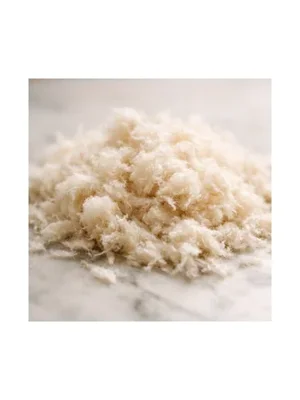
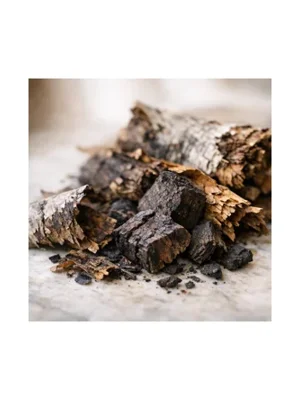
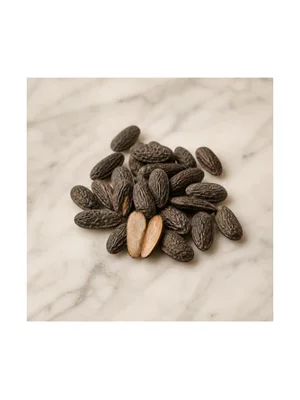
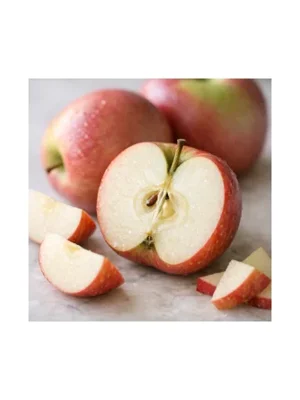
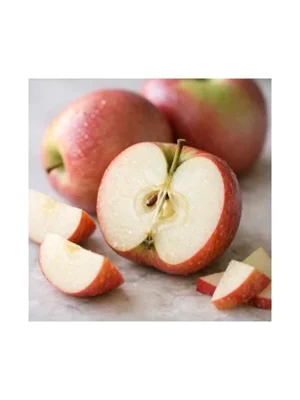
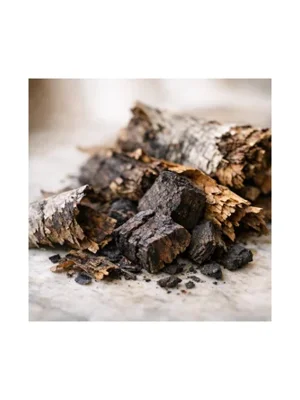
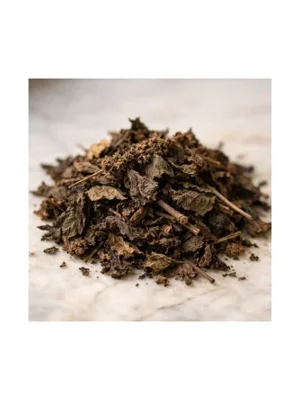
A smoky fruity-woody in the Aventus mould: pineapple, apple and redcurrant up front, then birch, thyme and patchouli, finishing on cedar and incense. Bright, smoky and long-lasting.
Scent Profile
How They Wear
Mood
Notes
Top Notes


Heart Notes

 Birch
9%
vs
13%
 Cedar
6%
vs
10%
 Patchouli
5%
vs
8%
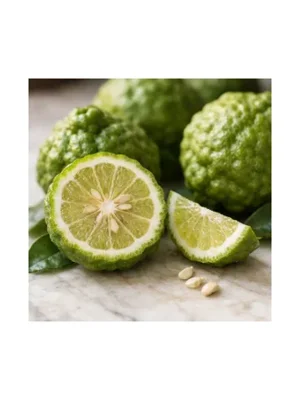 Bergamot
2%
vs
10%
 Mandarin
11% share of the perfume
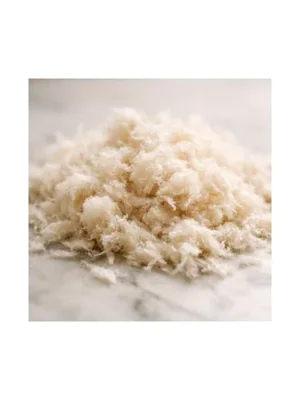 Musk
11% share of the perfume
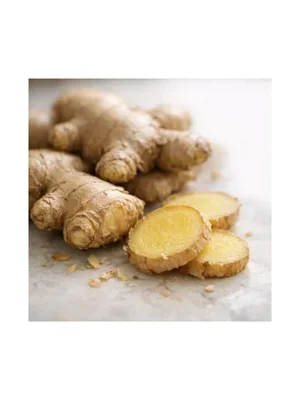 Ginger
11% share of the perfume
 Pink Pepper
8% share of the perfume
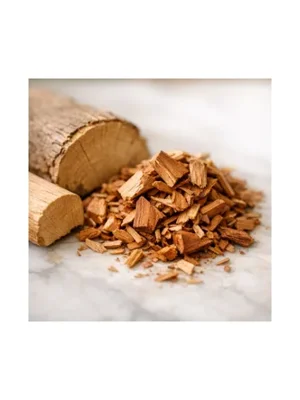 Sandalwood
7% share of the perfume
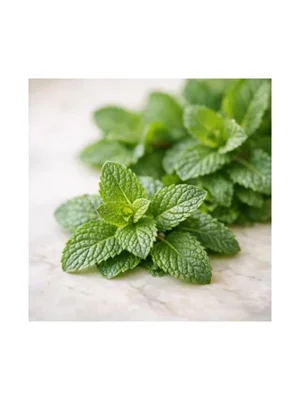 Spearmint
7% share of the perfume
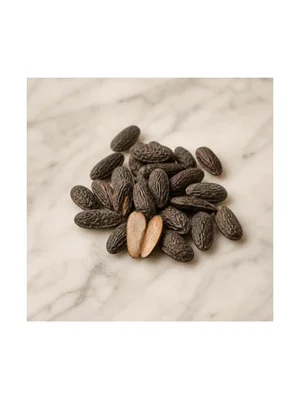 Tonka Bean
7% share of the perfume
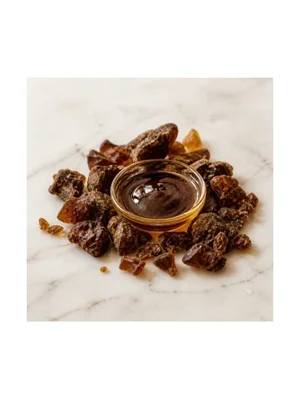 Styrax
6% share of the perfume
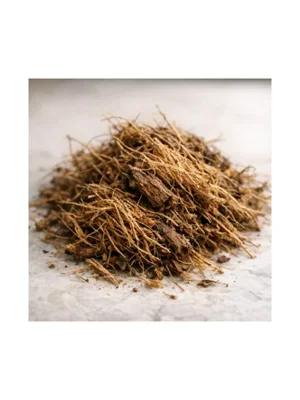 Vetiver
5% share of the perfume
 Ozonic Notes
4% share of the perfume
Bergamot
2%
vs
10%
Patchouli
5%
vs
8%
Cedar
6%
vs
10%
Musk
11% share of the perfume
Birch
9% share of the perfume
Tonka Bean
7% share of the perfume
Styrax
6% share of the perfume
 Incense
13% share of the perfume
Note weights are our estimate from each note's place in the pyramid, not the share of the formula. Brands do not publish formulations.
Performance
Season and Occasion Fit
Seasons
Bright citrus and fresh spicy notes make this ideal for spring and summer, while the woody and musky base adds enough depth to work in fall. It lacks the density for winter's coldest days.
Occasions
Clean, modern brightness and moderate projection make it an excellent office and casual scent, with enough refinement for dates and certain formal settings. Its sophistication is less suited for sporty or ultra-formal occasions.
Seasons
Fresh fruit suits spring and summer, and the birch smoke and cedar carry it comfortably into autumn. Deep winter wants more warmth.
Occasions
Strong enough for dates and evenings out, and fine for casual wear. The projection is too much for a quiet office.
Similarity Breakdown
Our estimate of how alike these two fragrances smell, calculated from their published notes. It is a position on our scale, not a measured percentage of shared smell.
Shares 4 of its 10 notes, including Bergamot, Birch, Cedar
Adds apple and incense, drops ginger and mandarin
Where to buy
Pick a size. The two cheapest offers, then the rest.





Prices before sales tax, which the shop adds at checkout.
ScentVerdict earns a commission from purchases - this doesn't affect our verdicts.