

Is Marks & Spencer Cool Vetiver a dupe of Davidoff Cool Water?











 Cool Water EDT
| EDT | Concentration | EDP |
| M | Gender | M |
| 1988 | Year | 2020 |
| $ | Price Tier | $ |
 Cool Vetiver EDP
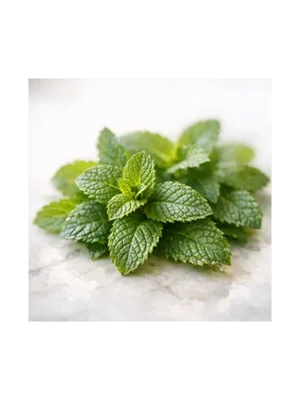
Cool Water is a bracing aquatic, iconic for its minty freshness. Discover Cool Vetiver pivots towards a woodier, spicier profile. The key difference lies in their core accord: Cool Water champions aquatic freshness, while Cool Vetiver emphasizes vetiver's earthy woodiness. Cool Water is the sharper, more invigorating choice, ideal for hot weather. Cool Vetiver offers a smoother, more versatile character suitable for year-round wear and office settings. If you want a classic, in-your-face aquatic, pick Cool Water. For understated, woody freshness, go with Cool Vetiver.
 →
Where they differ
Biggest gaps first. The bolder side leads.
ScentArt
How it unfolds
Notes
- Cool Water
- Cool Vetiver
- in both
Tap a note to light it in both. A+B means both have it


Which Should You Buy?
- You want a sharp, invigorating aquatic fragrance.
- You prefer a classic, recognizable scent profile.
- You need something for hot weather and sports.
- You like a prominent mint note.
- You prefer a smoother, woodier fragrance.
- You want something versatile for office wear.
- You like vetiver to be the star.
- You prefer a modern and understated scent.
The sea-water original, still the aquatic everyone else is measured against. Mint and lavender crash in cold, rosemary keeps it herbal, and a clean musk and cedar base follows. Breezy, crisp and unmistakable.
Vetiver in charge: a brisk lift of nutmeg and ginger, then earthy vetiver backed by cedar and sandalwood. Clean, capable and made for workdays and weekends.
Scent Profile
How They Wear
Mood
Notes
Top Notes
Heart Notes
Base Notes
 Cedar
3%
vs
11%
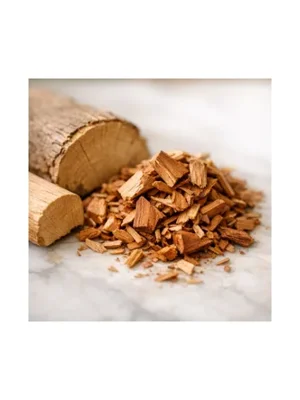 Sandalwood
3%
vs
8%
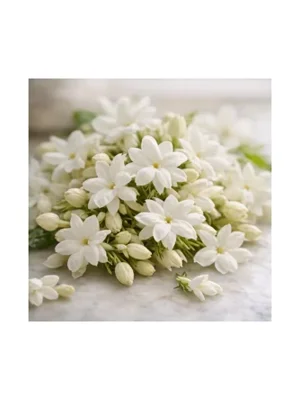 Jasmine
3%
vs
6%
 Sea Water
13% share of the perfume
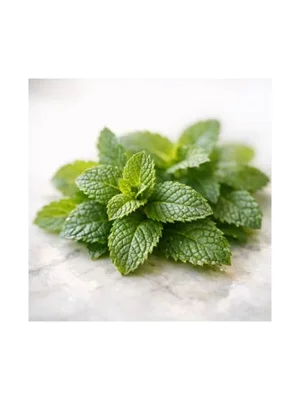 Mint
11% share of the perfume
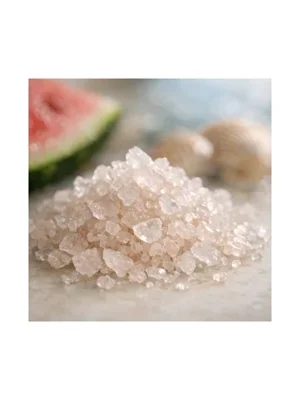 Calone
10% share of the perfume
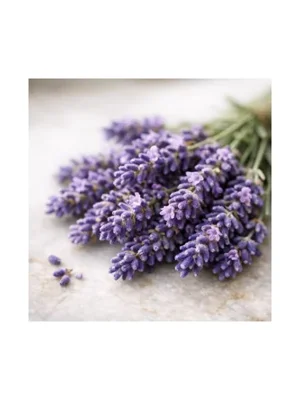 Lavender
10% share of the perfume
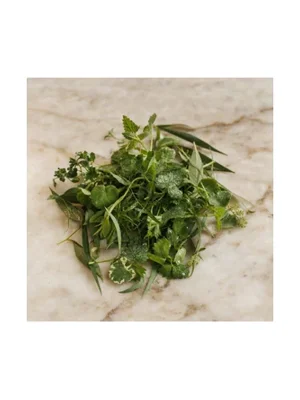 Green Notes
10% share of the perfume
 Rosemary
8% share of the perfume
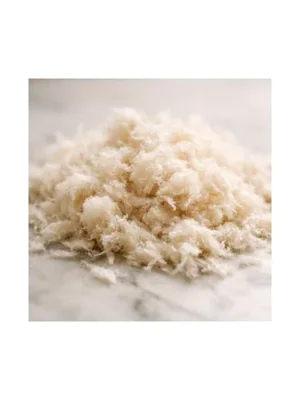 Musk
7% share of the perfume
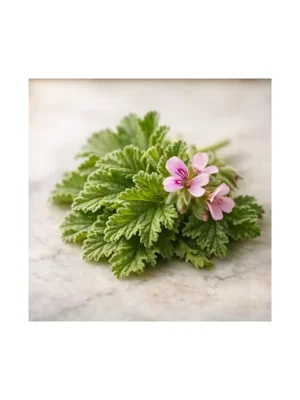 Geranium
6% share of the perfume
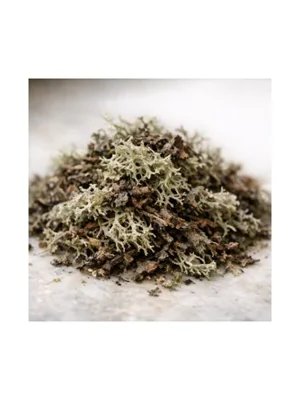 Oakmoss
4% share of the perfume
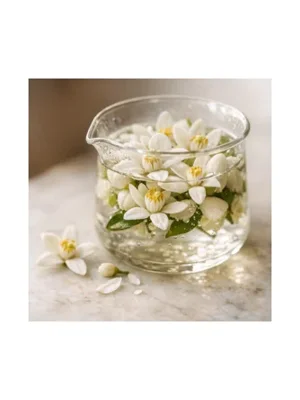 Neroli
3% share of the perfume
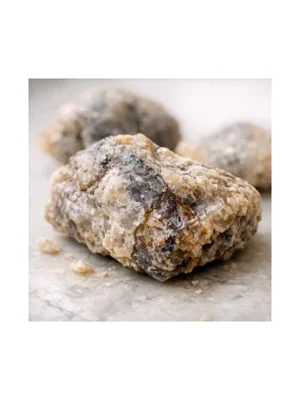 Ambergris
3% share of the perfume
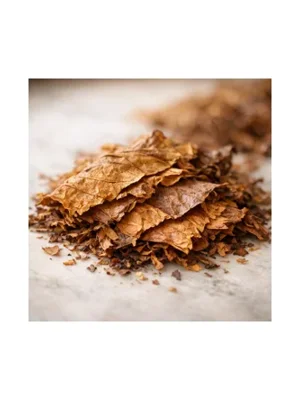 Tobacco
3% share of the perfume
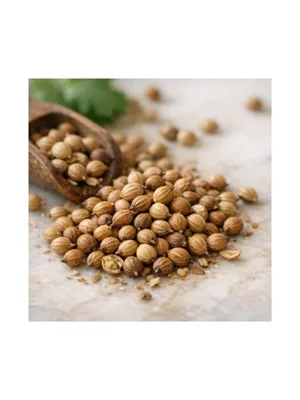 Coriander
1% share of the perfume
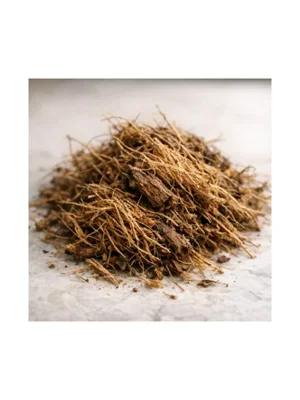 Vetiver
16% share of the perfume
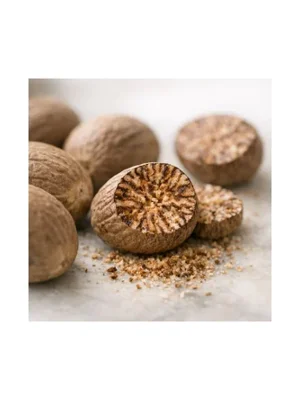 Nutmeg
13% share of the perfume
 Ginger
11% share of the perfume
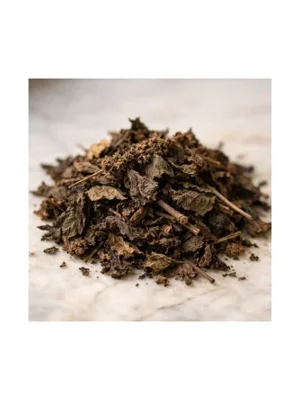 Patchouli
8% share of the perfume
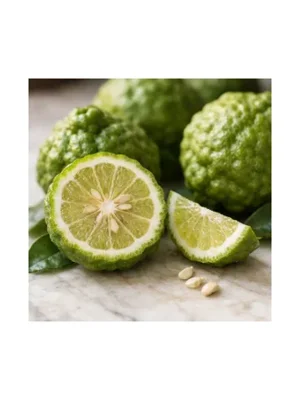 Bergamot
7% share of the perfume
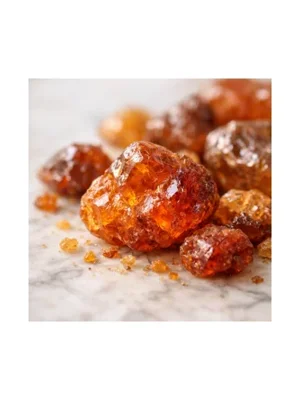 Amber
6% share of the perfume
 Rose
6% share of the perfume
 Blackcurrant
4% share of the perfume
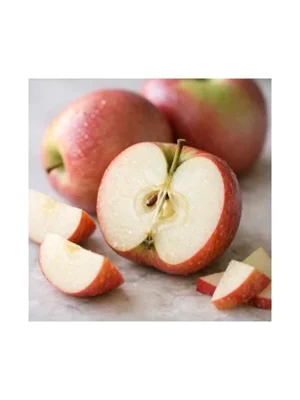 Apple
2% share of the perfume
Sea Water
13% share of the perfume
Mint
11% share of the perfume
Calone
10% share of the perfume
Lavender
10% share of the perfume
Green Notes
10% share of the perfume
Rosemary
8% share of the perfume
Coriander
1% share of the perfume
Jasmine
3%
vs
6%
Geranium
6% share of the perfume
Sandalwood
4% share of the perfume
Neroli
3% share of the perfume
Rose
6% share of the perfume
Cedar
3%
vs
11%
Note weights are our estimate from each note's place in the pyramid, not the share of the formula. Brands do not publish formulations.
Performance
Season and Occasion Fit
Seasons
Sea water, mint and lavender feel best in spring and summer. Cold air flattens the breezy structure.
Occasions
Clean and light, it is ideal for the office, casual days and sport. It lacks the depth for a formal occasion.
Seasons
Nutmeg and ginger spice with an earthy vetiver base read best in spring and autumn. It copes with cool summer evenings, but gets dense in high heat and feels thin in deep winter.
Occasions
Moderate strength and a clean woody profile suit the office and casual days. The vetiver gives enough weight for an evening, but it stays out of formal territory.
Similarity Breakdown
Our estimate of how alike these two fragrances smell, calculated from their published notes. It is a position on our scale, not a measured percentage of shared smell.
Shares 3 of its 16 notes, including Cedar, Sandalwood, Jasmine
Adds ambergris and calone, drops amber and apple
Where to buy
Pick a size. The two cheapest offers, then the rest.






Other (1)
Prices before sales tax, which the shop adds at checkout.
ScentVerdict earns a commission from purchases - this doesn't affect our verdicts.